




Volkswagen Debuts 2012 “21st Century” Beetle
WOLFSBURG, GERMANY, SHANGHAI, BERLIN, and NEW YORK - Volkswagen has introduced the third generation of its new Beetle for 2012.
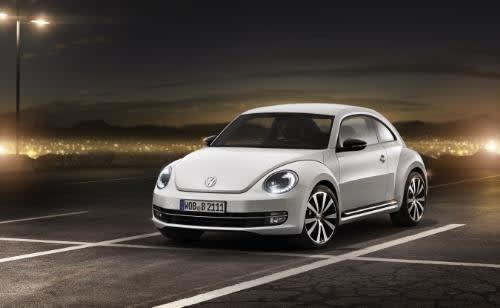
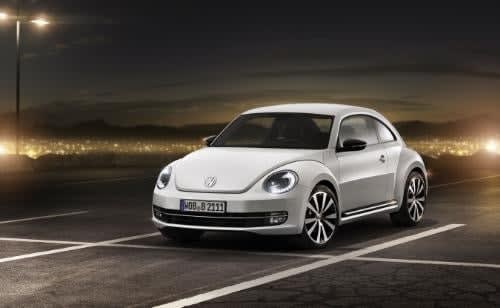
WOLFSBURG, GERMANY, SHANGHAI, BERLIN, and NEW YORK - Volkswagen has introduced the third generation of its new Beetle for 2012, also called the 21st Century Beetle, which debuted simultaneously in Shanghai, Berlin, and New York. According to Volkswagen, the designers of the latest version of the vehicle wanted to develop the new car around the earliest Beetle profile rather than the 1998 New Beetle.
Under the Hood
Under the hood the third-generation Beetle is more fuel efficient and will come with three engines, the 2.5L gasoline five-cylinder, the 2.0L TDI Clean Diesel, and the 2.0L TSI turbocharged gasoline engine. Fuel economy values are also improved up to 10 percent over prior 2.5L five cylinder engine models, VW stated. Mated to a 5-speed manual transmission, it offers manufacturer estimates of 22 mpg city and 31 mpg highway. The optional 6-speed automatic offers manufacturer estimates of 22 mpg city, 29 mpg highway. The five cylinder engine produces 170 hp and 177 lb.-ft. of torque.
The four cylinder 2.0L TDI Clean Diesel engine produces 140 hp and 236 lb.-ft. of torque. VW said it meets all U.S. emission limits and offers manufacturer estimates of 40 mpg highway, 29 mpg city, and 33 mpg combined.
VW estimates the Beetle’s 2.0L TSI four cylinder turbocharged will provide 30 mpg highway fuel economy. This turbocharged model features the company’s XDS cross differential (limited slip) system, which electronically monitors wheel sensor input and if slippage occurs, transfers more torque to the wheel(s) with the most traction.
Exterior Design
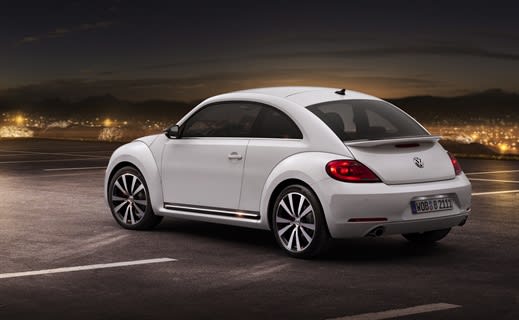
Exterior changes to the 2012 Beetle include increased track widths and wheelbase, a wider body at 71.2 inches, is 58.5 inches tall, .5 inches lower than the previous model, and 168. .5 inches lower than the previous model, and 168.4 inches long, a full six inches longer than the second-generation Beetle. The 21st Century Beetle features an integrated rear spoiler that is standard on the 2.0L TSI 200-hp engine-equipped models.
Interior Design
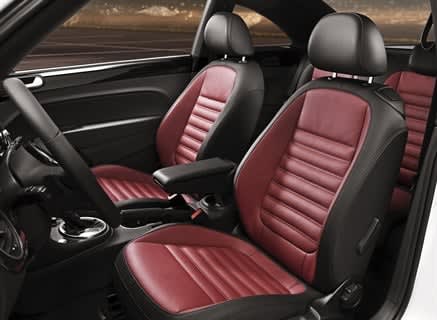
The 21st Century Beetle features a number of interior changes. The company said the shape and use of color in the painted or carbon-look dashboards is inspired by the first Beetle’s design. Three round instrument gauges provide tachometer, speedometer, and fuel information, and the automaker integrated a multifunction display in the speedometer in middle position.
The audio/navigation system is framed by two air vents and climate controls are located below. Similar to the original Beetle, the new car has an extra glove box integrated into the dash. The lid folds upward, while the standard glove box opens downward. The optional auxiliary instruments above the selected audio/navigation system include oil temperature, clock with stopwatch function, and boost pressure gauge, again similar to the original Beetle’s design.
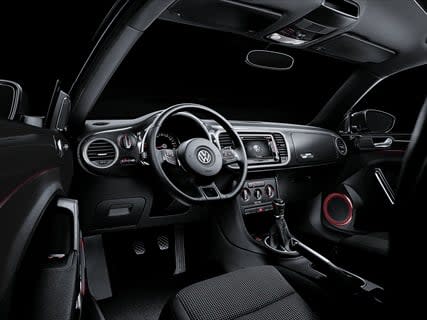
Volkswagen replaced the "cathedral ceiling" dome roof of the New Beetle with a sleek and sporty roofline. In the rear seating area, the longer roof section provides more space. The trunk now offers 10.9 cubic feet of space, and a split-folding rear seat and a wide opening trunk lid are designed to ease loading and unloading.
Safety Features
The 2012 Beetle features both active and passive safety systems. It includes Volkswagen's Intelligent Crash Response System, which initiates automatic safety protection in some types of collisions. Safety protections include shutting off the electrical supply to the fuel pump, unlocking the doors, and switching on the hazard lights switch. Electronic Stability Control (ESC) is standard, as are driver and front passenger airbags and Side Curtain Protection airbags in front and rear.
VW said its Beetle is also covered under the company’s no-charge Carefree Maintenance Program. All scheduled maintenance is covered for the length of the New Vehicle Warranty, three years or 36,000 miles, whichever occurs first. Additionally, all current Volkswagen vehicles use synthetic oil, which, when combined with the company’s engineering focus, eliminates the need for a 5,000 mile oil change, and allows owners to go farther between scheduled oil changes, the company stated.
Trim Levels
The 2012 Volkswagen Beetle will be available the Design and Sport trim levels. Key features include:
Radio-CD and radio-navigation systems. Standard in the Beetle is the RCD 310 sound system with 8 speakers (includes dual tuner). The premium VIII top audio system is the RCD 510 with integrated CD changer, interface for SD cards and touchscreen. For the first time ever, navigation will be offered in the Beetle, with the RNS 315 featuring a 5-inch touchscreen, CD player and SD card slot.
Panoramic roof. The transparent, panoramic tilt/slide glass sunroof is 80 percent larger than on the previous model, according to VW. The insulating glass blocks 99 percent of UV radiation and 92 percent of heat energy.
Fender Premium Audio System. The 2012 Beetle will also offer concert-quality sound with an optional Fender Premium Audio System equipped with an additional subwoofer and 400 watts of output power. Embedded in the vehicle design is proprietary Panasonic speaker technology. Those choosing this sound system also receive adjustable interior ambiance lighting.
Keyless Access. Volkswagen's automatic keyless entry and starting system, which allows the driver to operate without a door or ignition key, is appearing for the first time in the Beetle. When one of the front door handles is touched, the system detects access authorization from a transmitter, then unlocks the Beetle and starts the engine with the push of a button.
BI-XENON headlights and LED daytime running lights. For the first time, the Beetle will be offered with Bi-xenon headlights. These will be available on future Beetle models, framing the xenon module on the outer perimeters of the headlights and serving as the daytime running lights and parking lights.
More Operations

Company Vehicle or Reimbursement? How Fleets Are Rethinking Assignments
As fleet costs and insurance pressures rise, fleet managers are taking a closer look at which employees need company-provided vehicles and when a reimbursement program may make more sense.

Fleetio, ASE Launch Scholarship Program for Automotive Technicians
The second annual program will award 15 scholarships totaling $35,000 to support ASE certification, testing fees, and equipment costs.

Reading the Global Signals: What AI and the Energy Transition Mean for Fleets Now
In this opening keynote of the 2026 Fleet Forward Conference, John Rossant, founder of CoMotion, How can fleet managers navigate a never-ending, changing industry landscape?

90% Use Telematics. Are Fleets Getting Safer? | AF News Recap
This week, we're breaking down which industries have the highest rates, how Jamie McKay manages 2,400 vehicles, what's happening with the 2027 fleet awards, and why software-defined vehicles could introduce new costs.

What's Best Handled by an FMC, and What's Better Done Directly?
Fleet managers continue to rely on FMCs for essential services but are taking a closer look at where working directly with suppliers can improve efficiency and responsiveness.

Fleet Meets: Erin Gilchrist
Meet Erin Gilchrist, the inaugural Mike Antich Spirit of Fleet Award winner, as she shares insights on leadership, mentorship, the power of industry connections, and why people remain at the heart of fleet's future.

How 2026 Fleet Visionary Jamie McKay Manages 2,400 Vehicles Across 37 States
How do you keep 2,400 vehicles running across 37 states? Fleet Visionary Award winner Jamie McKay shares how collaboration, flexibility, and a few simple strategies help her tackle fleet management challenges at Aptive Pest Control.

Managing Fleet Costs in an Era of Permanent Volatility
Fleet operating costs have risen more than 20% since 2020, raising a key question: When does extending a vehicle's service life stop making financial sense?

The Next Evolution of Fleet Management: Autonomous Operations
This opening keynote session at the Fleet Forward Conference highlights the future of autonomous driving for fleets.

How to Reduce the Total Cost of Risk From Catalytic Converter Theft
A stolen catalytic converter can cost fleets far more in downtime and lost productivity than in repairs. A total-cost-of-risk approach can help fleet managers quantify their exposure and prioritize theft prevention.