




In a time of tight budgets, rising taxes and service cutbacks, Fairfax County Board Chairman Gerry Connolly thinks he may have found a way of saving money: reduce the number of vehicles assigned to county agencies, according to an article in the Connection newspaper on April 29. Right now, the county maintains 3,537 vehicles for use by government agencies not counting the school system, according to the Department of Vehicle Services. That translates to about one vehicle for every three employees. Police cars, emergency vehicles and heavy vehicles such as tractors and earthmovers account for a large percentage of the fleet, Connolly said. But the county also maintains many passenger vehicles for employees to use when driving around the county, he added. Last week, as part of the budget adoption, Connolly asked that county auditors and employees study whether the county’s fleet can be made more economical. The cost of maintaining those vehicles has risen in recent years, largely due to fluctuations in the price of gas, said Jim Gorby, director of the Department of Vehicle Services. For the 2005 fiscal year, the board allocated almost $52 million to the department, which employs 256 full-time employees. That's a 27 percent increase in two years. At the same time, Gorby said, the county’s fleet keeps growing. The school system adds about 30 new school buses a year to keep up with new students. Homeland security grants to the county have also resulted in more first-responder vehicles. “As a consequence we are having to spend more money to maintain these vehicles,” Gorby said. Auditors started looking at the number of county vehicles in January. “We’re trying to get the right size for the fleet to determine whether there might be economies through sharing vehicles, perhaps using personal vehicles for county business,” said auditor John Adair, who presented an initial report to supervisors last week. “What we seem to have discovered is once you’ve got a vehicle from an agency point of view you never let go. It just gets in the system and it gets renewed.” The county has already started purchasing hybrid vehicles as a way to cut down on fuel costs.
Virginia’s Fairfax County to Conduct Audit on Feasibility of Reducing Fleet Size
In a time of tight budgets, rising taxes and service cutbacks, Fairfax County Board Chairman Gerry Connolly thinks he may have found a way of saving money: reduce the number of vehicles assigned to county agencies, according to an article in the Connection newspaper on April 29.
More Operations

BBL Fleet Acquires Velcor Leasing Corporation
BBL Fleet expanded its footprint in the fleet management industry with the acquisition of Velcor Leasing Corporation of Madison through a stock purchase agreement finalized Feb. 27, 2026.
Read More →
Lytx Introduces New AI Fleet Technologies at Protect 2026
The company introduced new AI-driven fleet safety and operations technologies during its annual user conference.
Read More →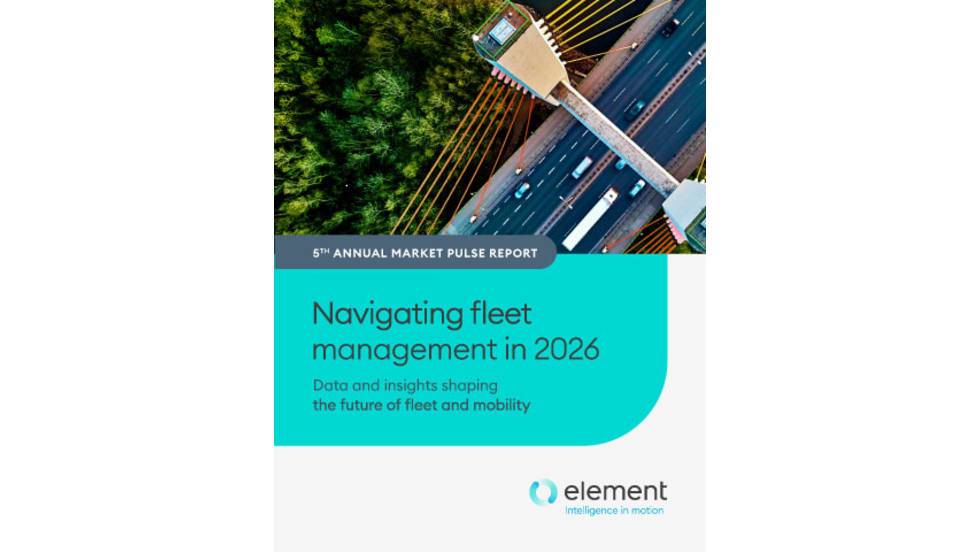
Fleet Costs Are Rising: Here’s How Leaders Are Responding
Fleet leaders are under pressure to reduce costs, adapt to economic uncertainty, and make smarter decisions. See how peers across North America are responding with real data, proven strategies, and forward-looking insights. Download the 2026 Market Pulse Report to benchmark your strategy and uncover where you can gain an edge.
Read More →
From Waffle House to AI: Fleet Trends You Need to Know
In this AF news recap, host Faith Howell covers how Waffle House stepped up during disaster response and new AI tech on the market.
Read More →
Fleet Operations in the Age of AI: Navigating Ethical and Legal Challenges
AI is no longer a future concept for fleets—it’s already embedded in the tools, data, and decisions that operators rely on every day. In this episode of the Fleet Forward Podcast, recorded live at Fleet Forward, industry leaders take the conversation beyond hype to examine what responsible AI adoption really looks like in fleet operations.
Read More →
Factory Installed vs. Aftermarket: Choosing the Right Telematics Path & Managing the Data
As fleets rethink how they capture, manage, and act on vehicle data, telematics is at a major inflection point. In this episode of the Fleet Forward Podcast, we dive deep into one of the most pressing questions facing fleet leaders today: Should you rely on OEM factory-installed connectivity, aftermarket devices, or a hybrid of both?
Read More →
What Real-Time Data Reveals About EV Cost, Performance, and Scalability
Experts from telematics analytics, fleet-as-a-service operations, and national EV benchmarking share how real-time data is reshaping fleet strategy—dispelling assumptions, validating best practices, and exposing costly missteps.
Read More →
Planning Through Policy Shifts: What Fleets Must Track in 2026
A powerhouse panel featuring experts from the American Automotive Leasing Association, CalSTART, and municipal fleet leadership dives into the realities of navigating shifting emissions rules, regulatory waivers, federal agency actions, the future of the EPA’s endangerment finding, and the push for unified standards. They also examine the impacts of tariffs, autonomous vehicle policy, battery innovation, and the accelerating global EV market.
Read More →
Managing Market Turbulence with Strategic Fleet Insights
This episode kicks off with a deep dive into the technologies and market forces reshaping today’s fleet landscape. Host Chris Brown is joined by Laolu Adeola (Leke Services), Tyson Jomini (J.D. Power), and Richard Hall (ZappiRide) to break down real-world data, shifting incentives, and practical strategies fleet leaders can use right now.
Read More →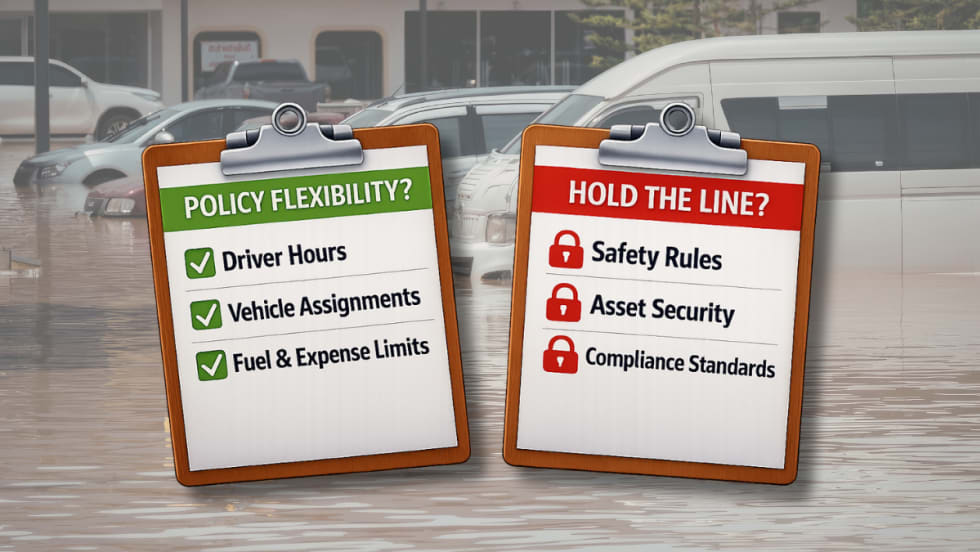
Adapting Fleet Policy When Disasters Strike
In the middle of natural disasters fleet managers must shift priorities to protect people and assets. What policy items should be loosened, and when should the line be held?
Read More →