




Virginia Clean Cities Seeks Fleet Requests for Propane Conversions
RICHMOND, VA -- The Virginia Department of Mines, Minerals and Energy (DMME) and Virginia Clean Cities (VCC) at James Madison University (JMU) are requesting proposals from Southeastern fleets interested in converting eligible gasoline vehicles to run on propane autogas.
RICHMOND, VA -- The Virginia Department of Mines, Minerals and Energy (DMME) and Virginia Clean Cities (VCC) at James Madison University (JMU) are requesting proposals from Southeastern fleets interested in converting eligible gasoline vehicles to run on propane autogas.
The application deadline is Friday, August 12, at 5 p.m. EDT.
Funding to cover the parts and labor for vehicle conversions will be provided under the Southeast Propane Autogas Development Program. This is the second phase of funding availability under the program, which began in December 2009 and will continue through 2013.
Fleets in the following states are eligible to submit proposals: Virginia, Maryland, North Carolina, South Carolina, Georgia, Alabama, Florida, Louisiana, Tennessee, Mississippi and Washington D.C. Both public and private fleets may participate, but they must have a minimum of 10 eligible vehicles to convert. Vehicles should be of at least $5,800 in value and covered by current EPA certifications for propane autogas operation.
The program’s financial assistance supports the procurement of conversion equipment, labor costs associated with conversion, and refueling infrastructure needed for on-demand autogas refueling. The program also includes extensive training and marketing support, along with numerous outreach and educational opportunities.
The program uses the PRINS VSI propane autogas bi-fuel conversion system and certified technicians to perform all installations. Fueling infrastructure will be provided by Alliance AutoGas, and co-founding partner Blossman Gas will supply fleets with propane autogas fuel.
The Southeast Propane Autogas Development Program is a Virginia Clean Cities project partially funded by a Department of Energy-Clean Cities American Recovery and Reinvestment Act grant. The grant was awarded to the Virginia Department of Mines, Minerals and Energy. Virginia Clean Cities at James Madison University is the principal investigator.
Click here for information on eligible vehicles and application procedures. Questions can be directed to Jamison Walker with Virginia Clean Cities at jwalker@hrccc.org.
More Green Fleet
EV Charging Use Is Outpacing Infrastructure Growth
ChargePoint’s 2026 Charging Forward Report points to rising charger use, higher-powered charging, commercial vehicle electrification, and energy-management technology. Here’s what fleets should know.
Read More →
Merchants Fleet Reports 290M EV Miles as Fleets Navigate Changing Electrification Market
From millions in operating savings to hundreds of millions of EV miles, Merchants Fleet’s latest report reveals what’s working and what’s changing in fleet electrification.
Read More →
The EV Breakdown Nobody's Talking About: Why Most Electric Vehicle Roadside Calls Aren't Mechanical Failures
Here's why EV breakdowns are widely misunderstood.
Read More →
ChargePoint Now Available in Energy Pass
ChargePoint and additional planned charging network integrations were added to GM's Energy Pass.
Read More →
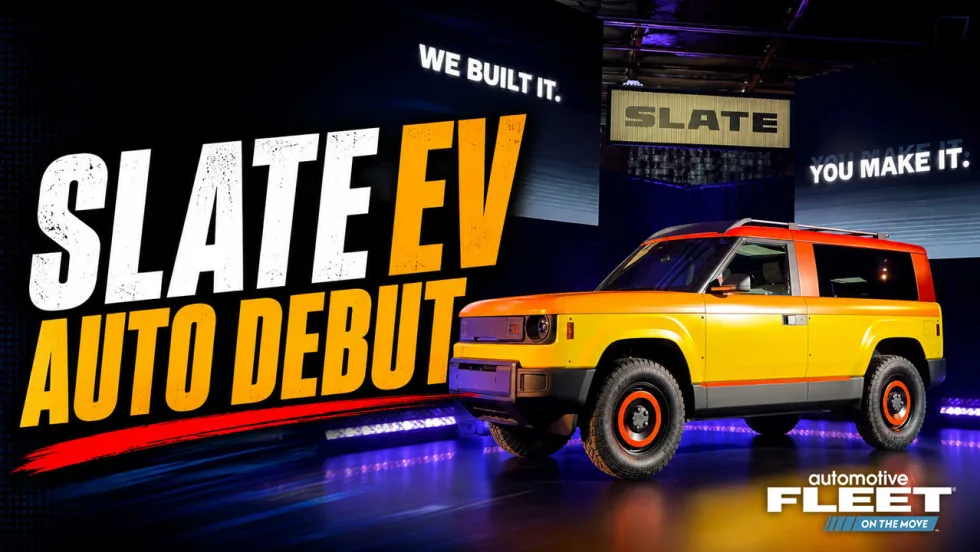
First Look: Slate Auto's Electric Fleet Pickup
Could an affordable, modular EV pickup make electrification more practical for fleets?
Read More →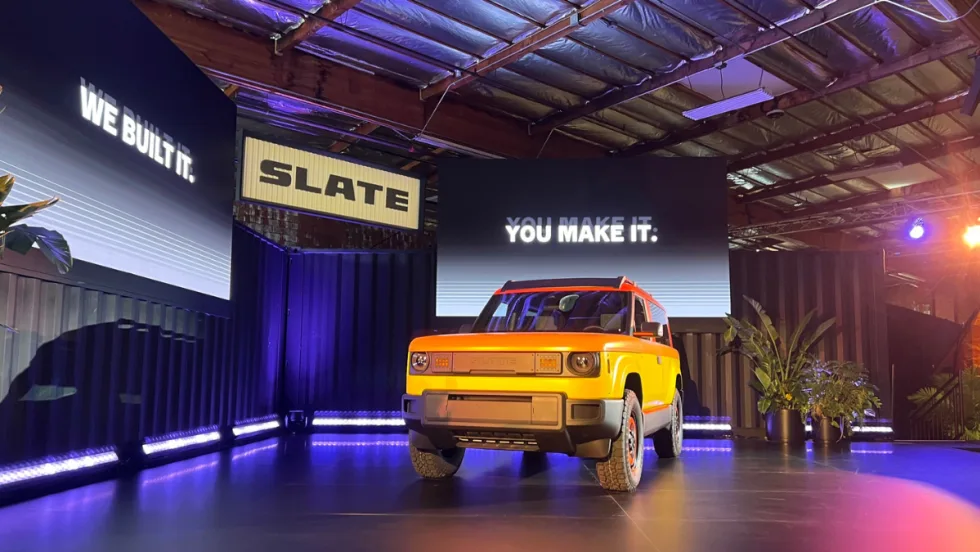
Slate Debuts Colorful, Unique EV Models
A recent media and client event, studded with electric vehicles dressed up on platforms, planted a new position for the manufacturer in the wider EV market. Fleets will find cost-saving advantages.
Read More →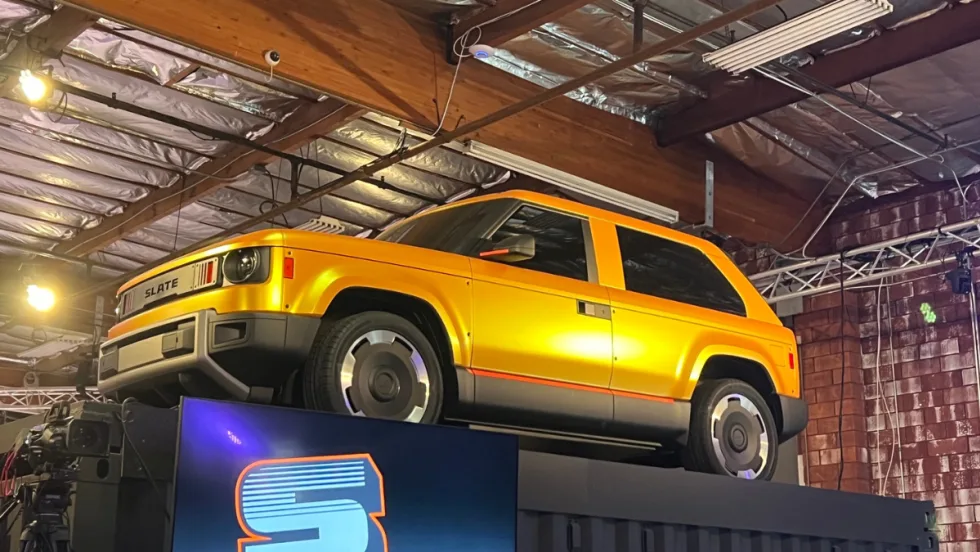
Slate Electric SUV, Pickup Switchable Model Aims For Light-Duty Fleets
Everything about this EV is counterintuitive and understated, making it stand out from the crowd.
Read More →
Inspiration Mobility Acquires Key Electrada Assets
Inspiration Mobility Group has acquired select assets of Electrada, adding the fleet electrification provider's team, technology, and charging infrastructure development capabilities to its energy management business.
Read More →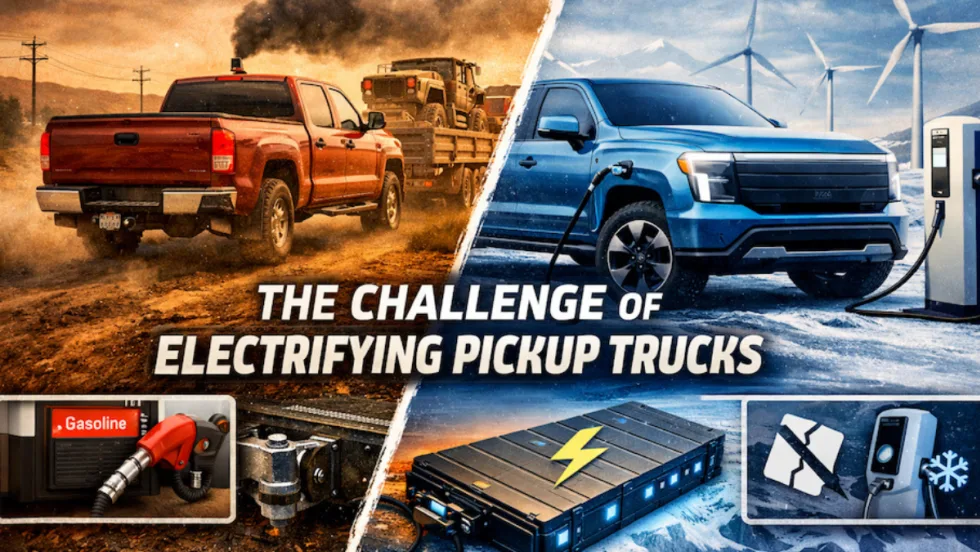
Why America’s Most Popular Vehicle is So Hard to Electrify
Turning America’s favorite workhorse electric means balancing range, payload, charging infrastructure, and price, an equation automakers are still trying to solve.
Read More →