




Vigilante Anti-Idling Law Hits NYC Fleets with Heavy Fines
Known as the Citizens Air Complaint Program, New York City citizens can make money by reporting commercial vehicles that are left idling for more than three minutes without a driver.

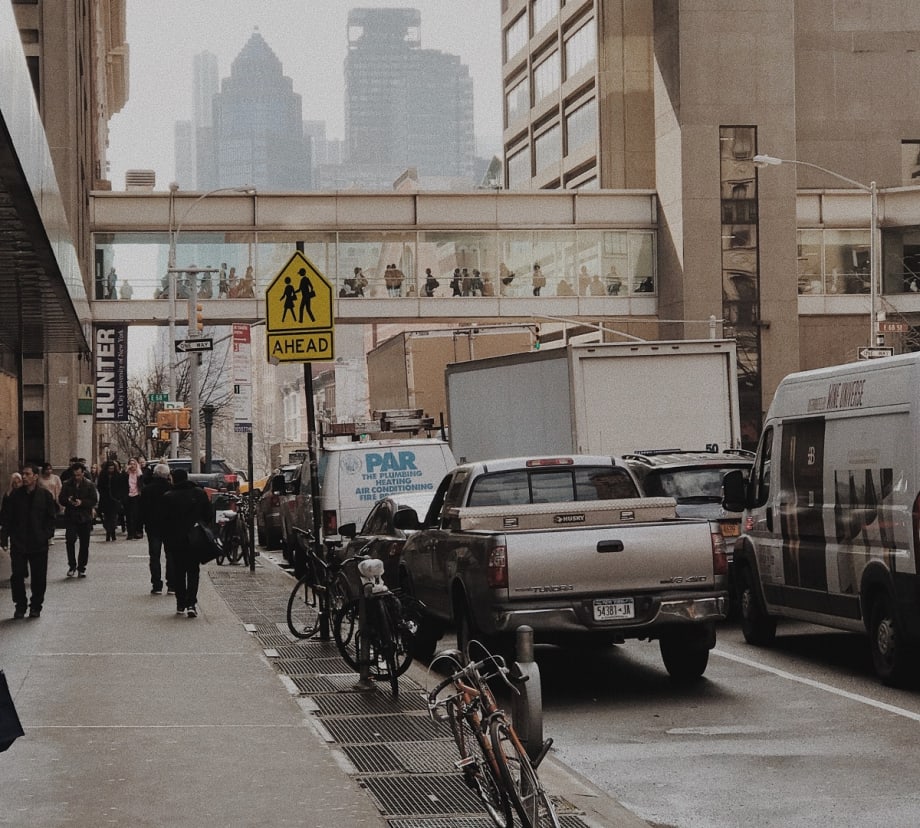
Under this anti-idling law, a commercial truck or bus can be fined at least $250 for idling for more than three minutes on a New York City street.
Photo by Carlos Rodrigo/Unsplash
In New York City, people can make money for reporting commercial vehicles left idling without a driver.
Former Mayor Bill de Blasio tried to publicize this Citizens Air Complaint Program in his final days in office as he pushed his climate agenda. Idling emissions from gasoline and diesel motor vehicle engines can contribute to health-related impacts, including asthma, respiratory, and cardiovascular harm, according to New York’s Environmental Protection website.
Under this law, a commercial truck or bus can be fined for idling for more than three minutes (or for one minute in a school zone), according to a NBC4 New York report.
One New York City man has already made six figures from reporting idling vehicles, says the report. So far, Donald Blair has gotten paid $55,000 and has another $70,000 on the way. Under the rules of this 2019 law, vehicle owners can be fined $250 or more, while the citizen reporting the idling gets $87.50 (or one-quarter of each issued fine).
Blair belongs to a group of watchdogs that calls itself the IDLE Warriors, according to the NBC report. Currently, there are approximately 60 New Yorkers involved in this group.
But it appears that many commercial vehicle owners aren’t paying the fines. According to City Hall, there are about $8 million in unpaid idling vehicle fines. Amazon owes the most in fines at $250,000. UPS and FedEx also owe a lot in fines at $70,000 and $60,000, respectively. Amazon said it’s working with city representatives to resolve its outstanding fines, according to the report. FedEx and UPS issued similar statements.
Last year, almost 11,500 idling tickers were issued, more than double the 5,000 given out in 2019 before the law took effect, according to the Department of Environmental Protection.
To file an idling complaint, a citizen needs to submit a time- and date-stamped video taken during the time of observation that shows the commercial truck or bus continuously idling for more than three minutes, according to the NYC Environmental Protection website. The video needs to contain the license plate and the company information from the vehicle. Additionally, the sound of the idling engine needs to be clearly heard on the video.
Using the online Idling Complaint System, citizens must submit their completed complaint and the supporting evidence within 60 days from the date of observing the idling truck or bus.
If the Department of Environmental Protection issues the summons, the citizen might need to be available in person or by phone to testify. If the summons is upheld, the company or business must pay the penalty for the citizen to receive payment for his or her complaint.
More Fuel
Fuel Prices Surge in September | September Fuel Update
September brought major fuel price swings, including diesel crossing $6 a gallon. Here’s how gas and diesel prices changed throughout the month, and where they stood heading into October.
Read More →
Turning Fleet Payment Data into Executive Insights
Ramel Lindsay of U.S. Bank Voyager discusses how fleets can transform payment and transaction data into actionable intelligence to reduce costs, improve oversight, and support executive decision-making.
Read More →
Why the IRS Raised Its Mileage Rate in the Middle of 2026
Fuel-price volatility drove the rare increase to 76 cents per mile, the fifth midyear adjustment since 2000.
Read More →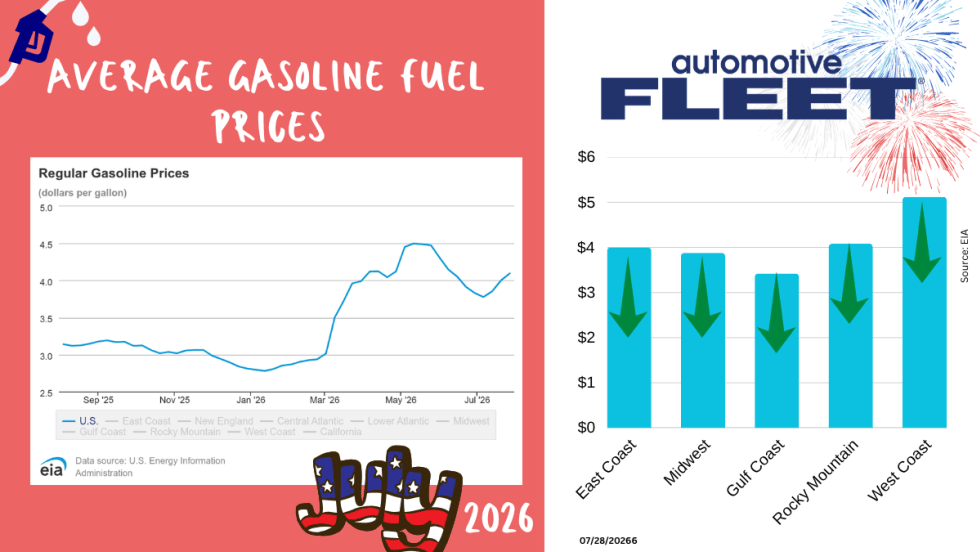
July Fuel Update: Prices Keep Rising in Light of More Conflict
Gas prices continue to rise as more and more conflicts do, too.
Read More →
Bob Adamsky on Fuel Volatility: "Don't Panic, Have a Plan."
When it comes to up and down fuel prices, Adamsky has a message for fleets: “Don’t panic.”
Read More →
How Fleets Can Gain Control of Non-Fuel Spend
Fuel often gets the spotlight, but non-fuel expenses can have a major impact on fleet costs. Ramel Lindsay of U.S. Bank Voyager discusses how fleets can gain better visibility and control over these often-overlooked expenditures.
Read More →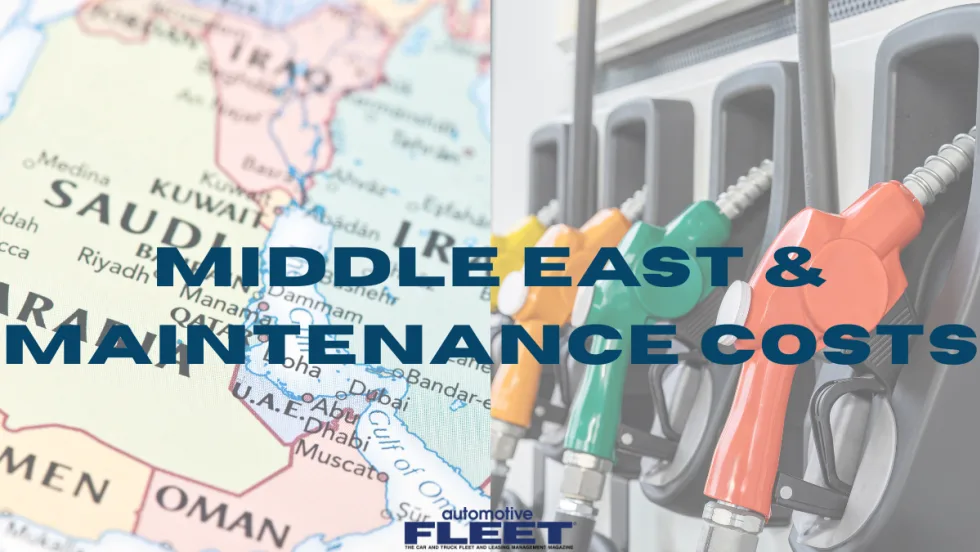
Fuel is Just the Start: How Middle East Tensions are Driving Up Fleet Maintenance Costs
The Middle East conflict is doing more than pushing up fuel prices. It’s also raising the cost of key maintenance products your fleet depends on, from motor oil to tires to windshield wipers. Here’s what you need to know about this budget-busting situation.
Read More →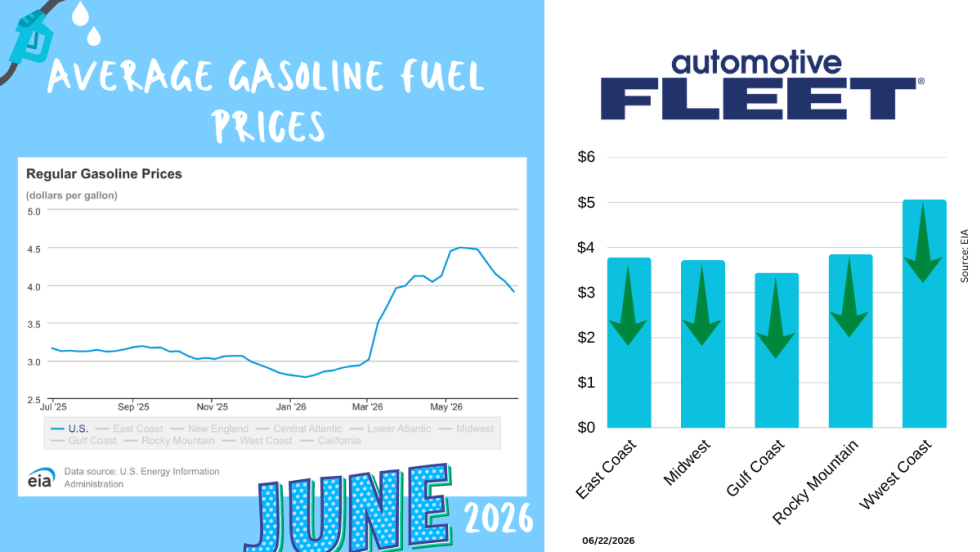
June Fuel Update: Prices Fall Below $4
Drivers are finally getting some relief at the pump. The national average gas price has dropped below $4 a gallon for the first time in months, with prices falling in 47 states as oil markets react to developments in U.S.-Iran negotiations.
Read More →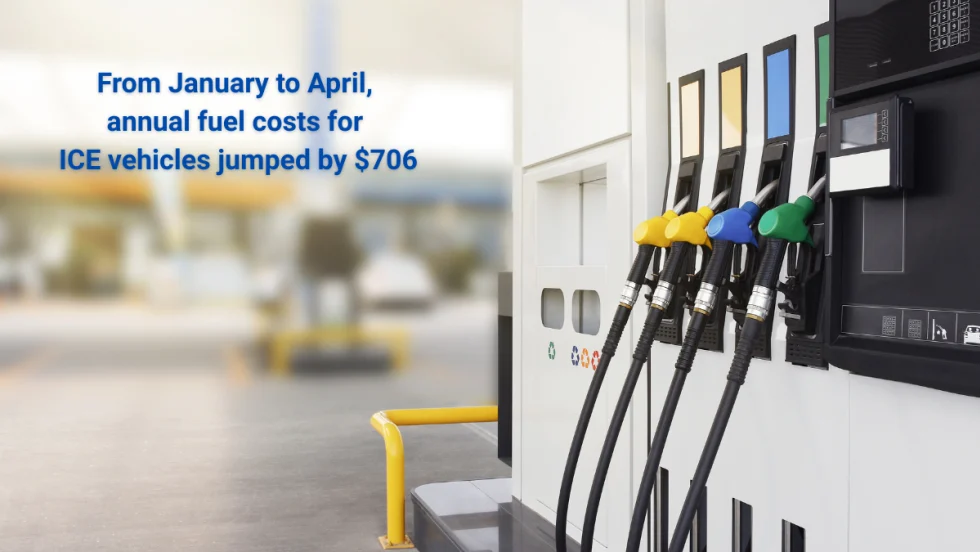
Study: How 2026's Gas Price Hikes Affect Different Vehicle Types
New data from iSeeCars reveals how rising fuel costs have affected different vehicle segments as gasoline prices climbed nearly 46% over the past four months.
Read More →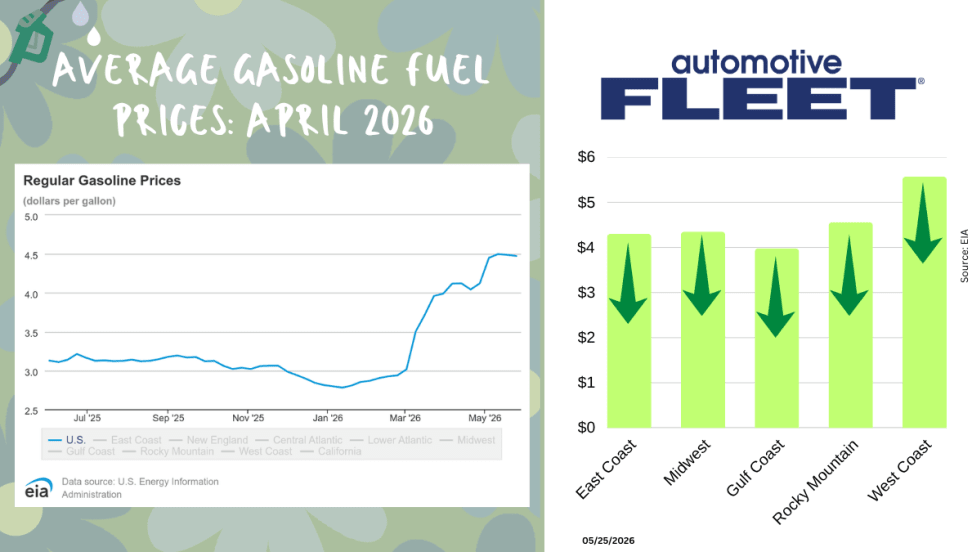
May Fuel Update: All Regions Experience Declines
Gas prices are finally easing in much of the country, but experts warn global tensions could quickly reverse the trend as the national average remains well above last month’s levels.
Read More →