




Video: Automatic Parking Assist Standard on Chevrolet SS
The technology aids drivers with parallel and perpendicular parking – a common source of fleet-related collisions.
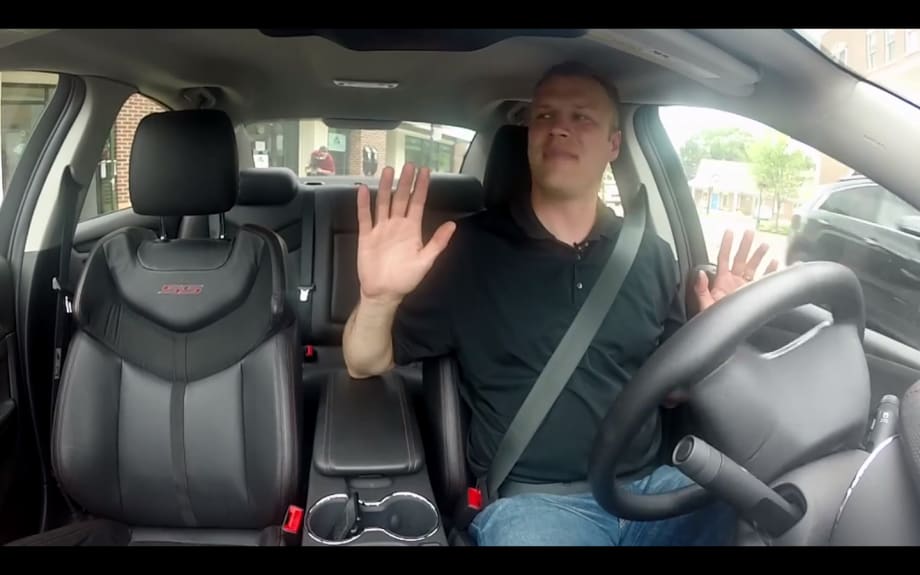
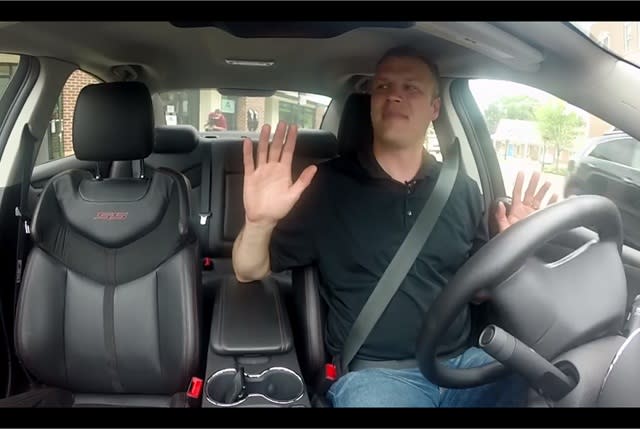
The SS Sedan is Chevrolet’s first and only vehicle to offer standard Automatic Parking Assist.
The technology uses sensors on the front and rear bumpers to detect the width and depth of parallel and reverse right-angle parking spaces to provide hands-free parking help.
“Even some of the most experienced drivers in the world loathe parallel parking,” said Scott Hollopeter, vehicle dynamics engineer for the SS. “Automatic Parking Assist is designed to help alleviate that anxiety in situations where more experience is required to park a vehicle.”
The system can detect obstacles, gauge the size of a parking space, assess distance to the curb and calculate optimum steering angles for each parking space. The driver, following instructions on the Driver Information Center, controls the accelerator and brake while the Automatic Parking Assist controls the steering.
Signals sent from the sensors in the bumpers to the electric power steering rack allow the vehicle to steer itself into the space.
“Technologies that provide help in parking and even vehicles that can park themselves started, as most technologies do, on luxury cars but they have proliferated to more mainstream vehicles,” said Michelle Krebs, senior analyst for AutoTrader.com. “They have broad appeal -- from newly licensed young drivers to older drivers -- and are also attractive to people who live in increasingly congested urban areas.”
For parallel parking, the driver pulls alongside a parking space until the vehicle’s rear bumper passes the rear wheel of the car parked in front of the open space. The driver then shifts into reverse and the car steers itself into the space. The backup camera provides a visual indication of how close the SS is to surrounding cars.
The reverse perpendicular parking process works in a similar way. The driver presses the Automatic Parking Assist button twice and follows instructions in the Driver Information Center to safely park the vehicle.
To watch a video demonstrating Automatic Parking Assist in the Chevrolet SS, click on the photo or link above.
More Safety
Hidden in Plain Sight: Fleet Compliance Risks
Fleet compliance isn't just about having policies — it's about consistently enforcing them. This practical guide reveals six hidden compliance risks common in public sector and shared fleet operations and outlines proven strategies to improve visibility, accountability, and audit readiness
Read More →
NETS Sets 2026 Fleet Safety Benchmark Conference for Indianapolis
The Sept. 15–17 program will feature fleet benchmarking data, case studies, emerging technologies, and implementation strategies while running alongside the NSC Safety Congress & Expo.
Read More →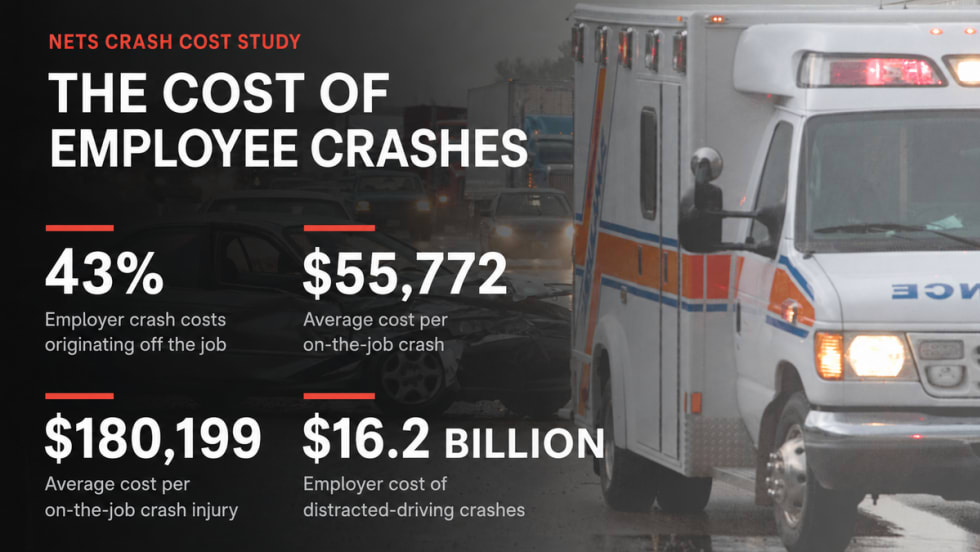
Off-the-Job Crashes Account for 43% of Employers’ $61.7 Billion Crash Burden
NETS quantifies costs dispersed across fleet, risk, HR, and other departments while providing new per-crash benchmarks for employers.
Read More →
Ram Recalls More Than 1.27 Million 1500 Pickups for Seat Belt Anchor Issue
The recall affects certain 2019-2026 Ram 1500 pickups that may have improperly attached second-row seat belt buckle anchors.
Read More →
How Better Visibility Cut Speeding Violations by 48%
Fleet leaders don't need more data, they need clearer visibility into what the data is saying. This case study explores how one utility replaced speeding-event counts with a single metric — miles driven in violation — to strengthen safety and significantly reduce speeding violations.
Read More →
Operation Safe Driver Week: Why the Industry's Oldest Safety Campaign Still Matters to Fleets
A look at how a 2007 enforcement initiative became one of the most consequential weeks on the fleet safety calendar, and what it means for your drivers in 2026.
Read More →
Nexar-Nauto Merger Aims to Give Fleets Better Safety Intelligence Through Larger Driving Dataset
Stefan Heck tells Automotive Fleet that combining more than 10 billion miles of driving history with Nexar's AI models will give fleets deeper insights into driver risk and roadway conditions than either company could provide independently.
Read More →
From Silos to Solutions: Relationship Management for Safer Fleets
From telematics adoption and driver accountability to policy consistency and risk mitigation, this episode breaks down what it really takes to build a safer fleet culture without slowing business down.
Read More →
IIHS Launches First Commercial Vehicle Safety Evaluations
The Insurance Institute for Highway Safety has begun evaluating heavy-duty pickups and cargo vans for driver protection. Which models earned top marks?
Read More →
Reducing Risk by Eliminating Phone Use Behind the Wheel
Hosted with the cofounder of Lifesaver Mobile, this episode addresses phone use behind the wheel and how to design a driving environment that actually helps prevents accidents.
Read More →