




Verizon Doubles Hybrid Sedan Fleet to Further Reduce GHG Emissions
NEW YORK – By doubling the number of hybrids to 200, Verizon expects to conserve an additional 16,000 gallons of fuel and cut greenhouse gas emissions by an estimated 1.4 metric tons per vehicle annually.
NEW YORK – Verizon will add another 100 hybrid sedans to its motor vehicle fleet in metropolitan areas across seven states and Washington D.C., conserving thousands of gallons of gas and helping to reduce the emission of greenhouse gases. Verizon began replacing gasoline-powered sedans with hybrids at the end of 2007 by introducing 100 units to its fleet. By doubling the number of hybrids to 200, Verizon expects to conserve an additional 16,000 gallons of fuel and cut greenhouse gas emissions by an estimated 1.4 metric tons per vehicle annually.
Verizon's new Toyota Prius hybrid sedans, compared with most traditional sedans, can travel nearly double the miles per gallon and emit less than half of the carbon. This supports the company's goal of continuing to reduce CO2 emissions. The hybrids will be used in California, Massachusetts, Maryland, New Jersey, New York, Pennsylvania, Virginia, and Washington, D.C.
In addition to the hybrid sedans, the company has been using 13 specially designed hybrid service vans in Maryland and Texas since 2007. A company that specializes in hybrid-power systems retrofitted the new vehicles to Verizon's specifications since no domestic motor vehicle manufacturer currently makes vans powered by gasoline-electric engines.
"We are committed to operating an efficient business by continually working to implement practical and innovative solutions that minimize the environmental impact of our operations," said Dan Mead, president of Verizon Services Corp., which manages Verizon's fleet, buildings, and various financial operations such as collections and printing bills. "Using more hybrid vehicles, promoting paperless billing, and raising awareness of the environmental benefits of broadband technology are just some of the ways Verizon is increasing operational efficiency while decreasing its impact on our environment."
Over the past five years, Verizon's energy-conservation, waste-prevention and recycling efforts have yielded an estimated average reduction of 332,295 metric tons in greenhouse-gas emissions. That's equivalent to nearly 61,000 cars not driven for one year.
More Green Fleet
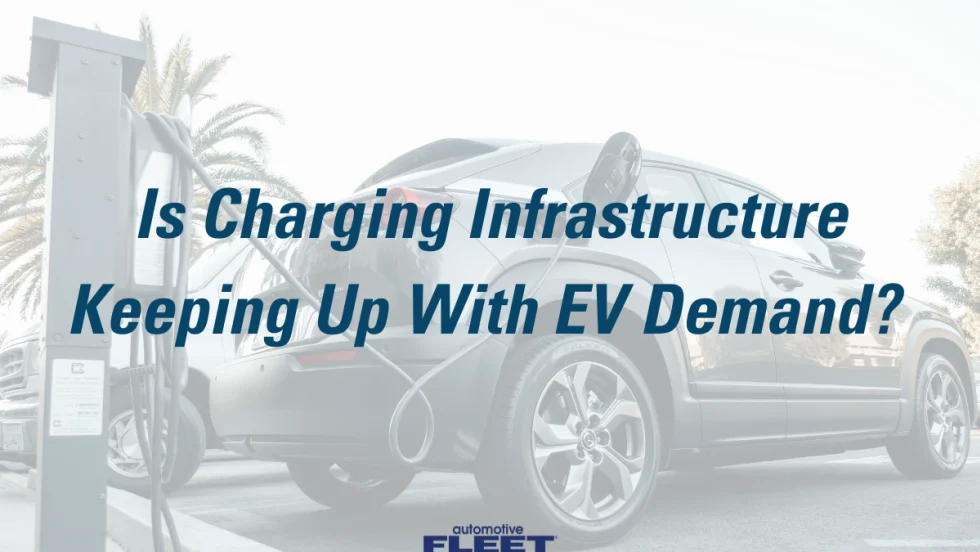
EV Charging Use Is Outpacing Infrastructure Growth
ChargePoint’s 2026 Charging Forward Report points to rising charger use, higher-powered charging, commercial vehicle electrification, and energy-management technology. Here’s what fleets should know.
Read More →
Merchants Fleet Reports 290M EV Miles as Fleets Navigate Changing Electrification Market
From millions in operating savings to hundreds of millions of EV miles, Merchants Fleet’s latest report reveals what’s working and what’s changing in fleet electrification.
Read More →
The EV Breakdown Nobody's Talking About: Why Most Electric Vehicle Roadside Calls Aren't Mechanical Failures
Here's why EV breakdowns are widely misunderstood.
Read More →
ChargePoint Now Available in Energy Pass
ChargePoint and additional planned charging network integrations were added to GM's Energy Pass.
Read More →

First Look: Slate Auto's Electric Fleet Pickup
Could an affordable, modular EV pickup make electrification more practical for fleets?
Read More →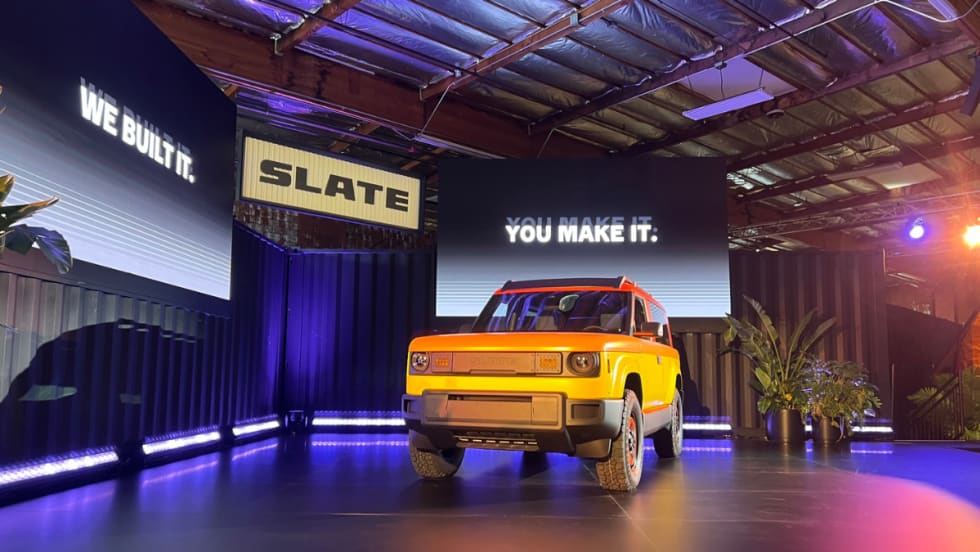
Slate Debuts Colorful, Unique EV Models
A recent media and client event, studded with electric vehicles dressed up on platforms, planted a new position for the manufacturer in the wider EV market. Fleets will find cost-saving advantages.
Read More →
Slate Electric SUV, Pickup Switchable Model Aims For Light-Duty Fleets
Everything about this EV is counterintuitive and understated, making it stand out from the crowd.
Read More →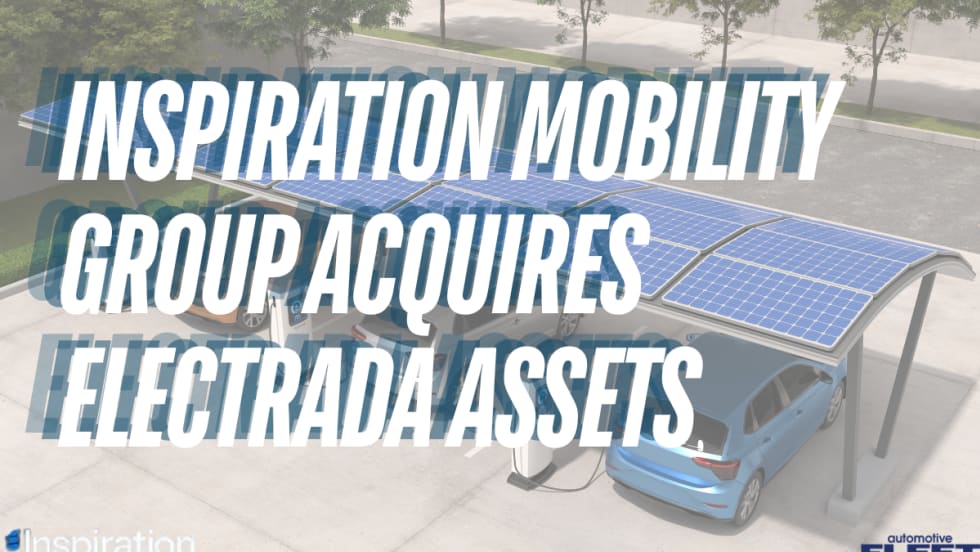
Inspiration Mobility Acquires Key Electrada Assets
Inspiration Mobility Group has acquired select assets of Electrada, adding the fleet electrification provider's team, technology, and charging infrastructure development capabilities to its energy management business.
Read More →
Turning Connected Vehicle Data Into Decisions That Matter
Fleet leaders have more data than ever, but turning that data into clear, actionable decisions remains a challenge. This white paper shows how leading organizations are using connected vehicle data to improve safety, reduce costs, and optimize fleet performance. Learn how to turn insight into action across your fleet.
Read More →