




Utilimaster Releases More Fuel Efficient Walk-In Van
Utilimaster Corp. is launching a more fuel efficient walk-in van called the Velocity that the vehicle modifier is showing for the first time at NTEA's Work Truck Show in Indianapolis.
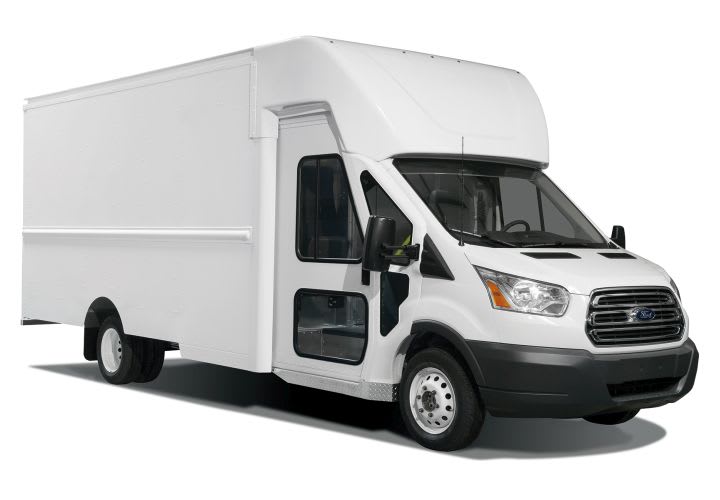
Photo courtesy of Utilimaster.
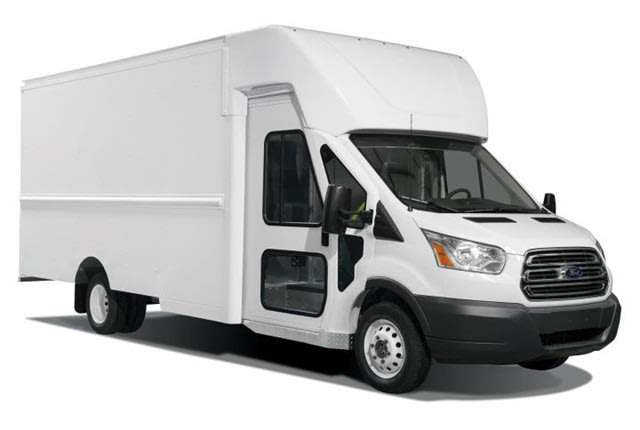
Photo courtesy of Utilimaster.
Utilimaster Corp. is launching a more fuel efficient walk-in van called the Velocity that the vehicle modifier is showing for the first time at NTEA's Work Truck Show in Indianapolis.
The Velocity, which is built on a Ford Transit cutaway chassis, allows full stand-up height and cargo capacities of 574, 679, and 784 cubic feet and 3,725 pounds of payload capacity. The vehicle is offered in 156- and 178-inch wheelbase models.
The aluminum body offers rear swing or roll-up doors for dock loading, a curbside sliding door, low entry and egress steps, and ergonomics designed to support commercial deliveries and service routes. The vehicle's curbside sliding door measures 42 inches wide and 73 inches high and a sliding bulkhead door measures 27 inches wide and 82 inches high. Heavy-duty shelving is rated at 600 pounds for 12-foot models.
The Velocity supports a variety of powertrain types, including gasoline, diesel, compressed natural gas and propane autogas, according to the company. The Velocity gets Ford's 3.7-liter V-6 engine standard or 3.2-liter inline-5 diesel as an option.
The Velocity is scheduled for production in the third quarter of this year. Pricing has not been announced.
More Operations
A buyer's guide to fleet management software in 2027
Buying fleet management software in 2027 means looking beyond features and price. As fleet operations, technology and expectations evolve, this guide explores what today’s fleet professionals should consider when choosing a system that can deliver value now and adapt to what comes next.
Read More →
What Will Shape the Next Era of Fleet Management?
EVs, AI, and autonomous vehicles are reshaping fleet management. Discover what’s ahead—and how fleet leaders can prepare for the next era.
Read More →
How Fleets Can Recruit and Train Veterans for Technician Roles
Here's how the technician shortage has affected uptime for fleets, and what to do about it.
Read More →

Avis Budget Group Deploys Neology Toll Management Technology Across Major Brands
Neology’s neoFleet platform will manage toll transactions and toll-authority operations for vehicles across Avis, Budget, Payless, Budget Truck and Zipcar.
Read More →
Fleet Personal-Use Charges Edge Higher in 2026
Nearly eight in 10 surveyed fleets allow personal use of company vehicles, while just over half of respondents report charging employees for the privilege.
Read More →
The Future of Fleet + What’s Changing Right Now | AF News Recap
Could developments overseas offer a preview of what’s coming for U.S. fleets? This week, we’re looking at the future of AI, autonomy, and electrification, plus Ford Pro’s new certified pre-owned program, smarter vehicle offboarding, and a new way for fleets to manage toll expenses.
Read More →
How to Handle Vehicle Offboarding
What do fleet managers need to do when a driver leaves?
Read More →
Fleet Manager’s Ultimate Playbook: Navigating the New Standard in OEM Connectivity
Rising operating costs, driver safety concerns, and unplanned downtime are putting unprecedented pressure on modern fleets. Discover how fleet managers use embedded OEM connectivity and real-time vehicle data to cut TCO, prevent downtime, and protect drivers without aftermarket telematics hardware.
Read More →
U.S. Bank Adds Verra Mobility Toll Management to Voyager Fleet Platform
The integration allows U.S. Bank Voyager fleet customers to manage toll payments and violations alongside fuel, EV charging and maintenance expenses.
Read More →
ADAS Prevents Crashes. But Repairs Cost More | AF News Recap
ADAS-equipped vehicles may crash less often, but they can cost more when they do. This week, we’re breaking down what that tradeoff means for fleets, plus Subaru’s first Forester Wilderness Hybrid, Nissan’s new e-POWER Rogue, and why Calstart has become Catalyst Mobility.
Read More →