




USPS Awards Spartan Motors $214M for Delivery Vehicles
The U.S. Postal Service has ordered 2,000 fleet vehicles from Spartan Motors on a $214 million contract for two types of delivery trucks with Utilimaster bodies, the vehicle manufacturer announced.
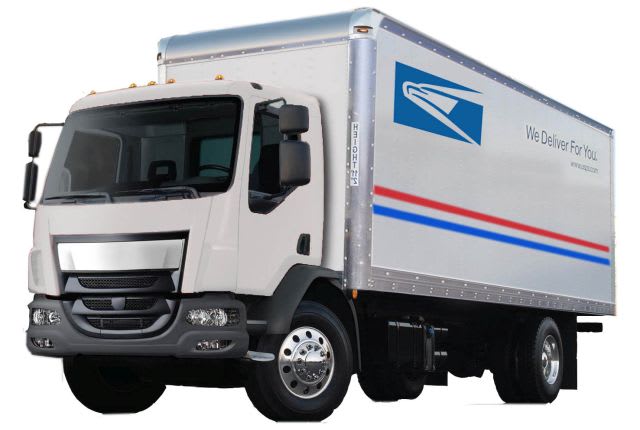
Photo courtesy of Spartan Motors.
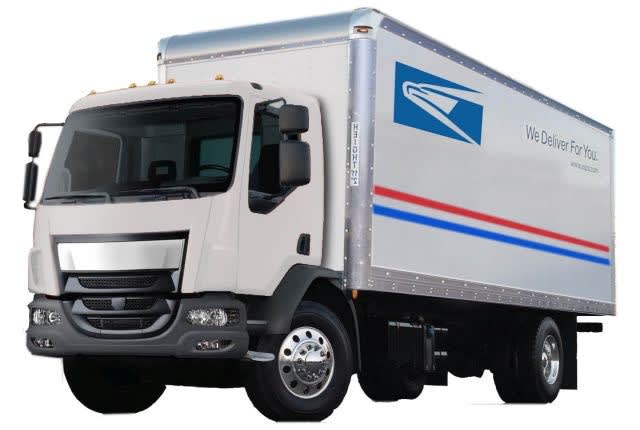
Photo courtesy of Spartan Motors.
The U.S. Postal Service has ordered 2,000 fleet vehicles from Spartan Motors on a $214 million contract for two types of delivery trucks with Utilimaster bodies, the vehicle manufacturer announced.
The Charlotte, Mich.-based company's Spartan Fleet Vehicles and Services business unit will begin building the trucks after April 1. They will be delivered over the next two years. The contract includes an option for a third year.
The order includes a combination of cab-over-engine and straight trucks in a variety of 18-foot and 24-foot configurations. The cabover will likely be built on a Class 7 chassis.
"Our ability to design, custom engineer, and build commercial trucks across Classes 1-6, in addition to providing custom vocation-specific upfits uniquely positions us to serve the growing last mile delivery fleet that is in demand by today’s ecommerce retailers," said Tom Ninneman, president of Spartan Fleet Vehicles and Services.
The USPS is also developing its next-generation residential delivery vehicle. In September of 2016, the USPS awarded $37.4 million in contracts to six vendors to provide prototypes.
More Upfitting

A Behind-the-Scenes Tour of a Fleet Upfit Facility
Get a behind-the-scenes look at how Driverge takes fleet vehicles from pilot builds to production and shipping.
Read More →
National Fleet Services Marks 30 Years of Fleet Upfitting Operations
Thirty years after its founding, National Fleet Services says its fleet assessments continue to uncover opportunities for more efficient, durable, and cost-effective vehicle upfits.
Read More →
How to Upfit, Equip, and Accessorize EVs for Work
From payload constraints and range tradeoffs to safety considerations and rising upfront costs, this conversation breaks down the realities of upfitting electric work trucks and vans.
Read More →
Driving Performance Across Trade Fleets: Upfit Standardization Strategies & Best Practices
Check out the best upfitting strategies and practices for trade fleets.
Read More →
John Poindexter Shares Product Launches, Growth Strategy for 2026
After a major acquisition, JB Poindexter’s CEO outlines what’s next, from smarter camera systems to early AI integration, and whether more deals are on the horizon.
Read More →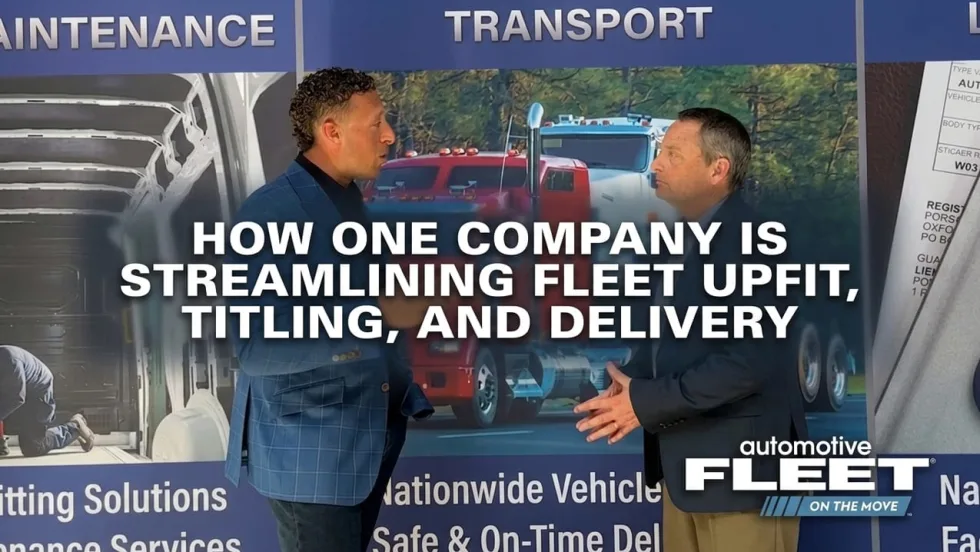
How One Company is Streamlining Fleet Upfit, Titling, & Delivery
Anew Solutions CEO Austin Schutte joins AF on the Move to discuss fleet upfitting, delivery logistics, and the importance of speed to completion in today’s fleet operations.
Read More →
Sortimo Presents New Upfitting Products
Sortimo detailed new racking systems, new floors, and more at Work Truck Week 2026.
Read More →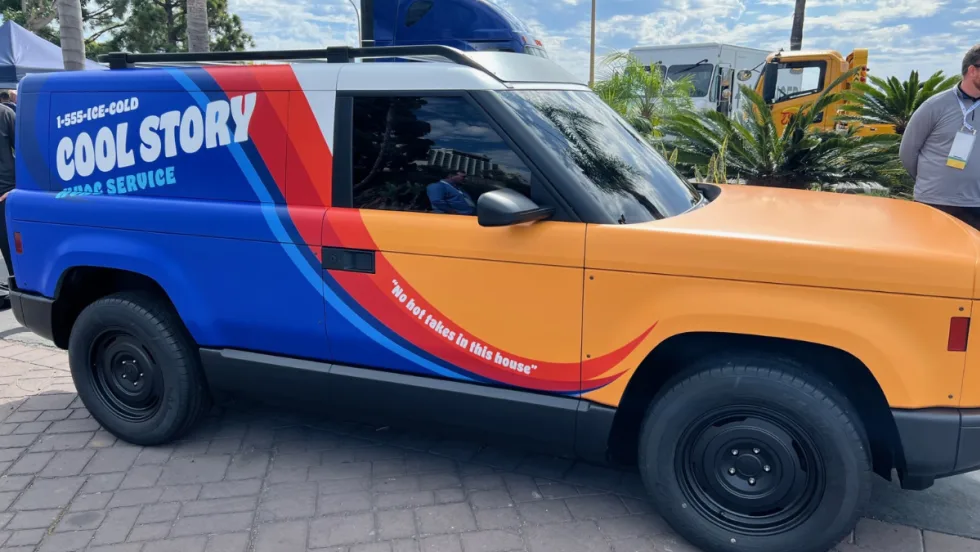
How To Upfit Electric Work Trucks and Vans
The biggest challenge lies in balancing additional equipment and accessories with EV battery capacity and range.
Read More →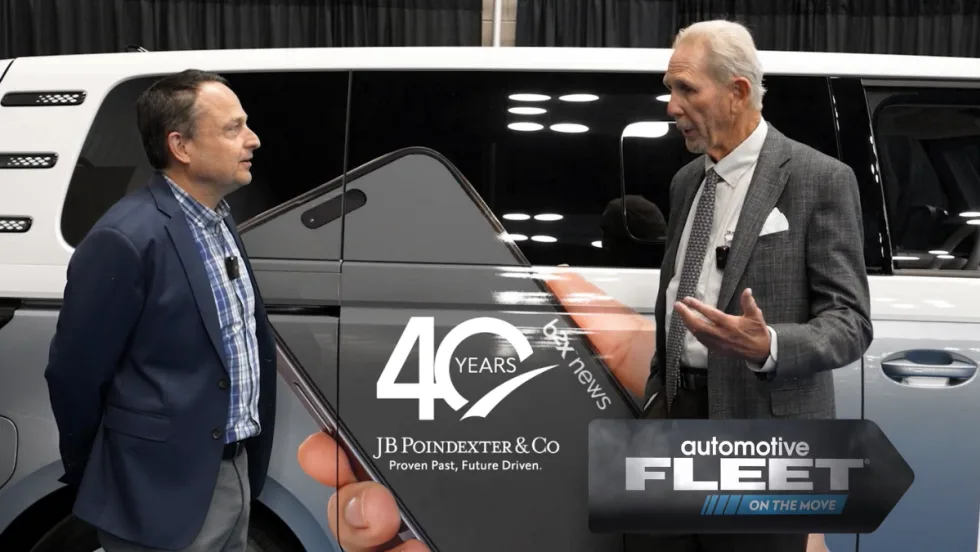
JB Poindexter’s CEO Talks Growth, Industry Disruption & What’s Next
John Poindexter, CEO of JB Poindexter & Co., discusses how his $2.5B enterprise is navigating technology transformation, acquisitions, and a fast-evolving commercial vehicle market.
Read More →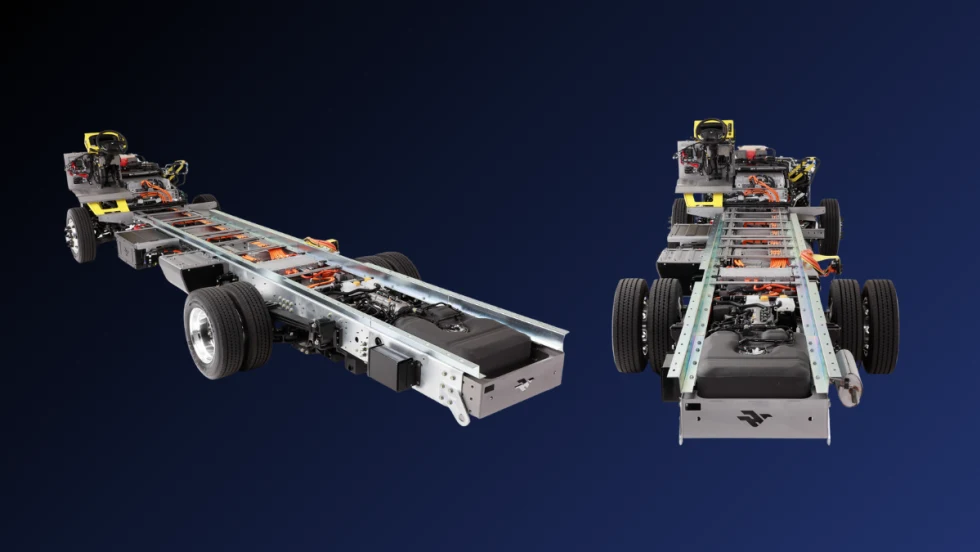
Harbinger Unveils Plug-In Hybrid Vehicle for Medium-Duty Fleets
The medium-duty truck company is expanding its American-made electric vehicle lineup to include a series hybrid model, offering up to 500 miles range.
Read More →