




US DOT Revises Hours-of-Service Rule for Truck Drivers
The U.S. Department of Transportation’s Federal Motor Carrier Safety Administration (FMCSA) announced changes to the hours-of-service (HOS) rules, designed to improve highway safety and help reduce truck crashes and related fatalities and injuries by addressing driver fatigue.

The U.S. Department of Transportation’s Federal Motor Carrier Safety Administration (FMCSA) announced changes to the hours-of-service (HOS) rules, designed to improve highway safety and help reduce truck crashes and related fatalities and injuries by addressing driver fatigue. The agency intends to expand its research on electronic onboard recorders (EOBR) and other technologies, along with evaluating alternatives for encouraging their use to ensure HOS compliance and record keeping. Under the new rules, drivers are allowed to drive 11 hours after 10 consecutive off-duty hours, an increase of two off-duty hours from the current requirement of eight hours. They may not drive above the 14th hour after coming on-duty following the 10 off-duty hours. Drivers may not drive after being on-duty for 60 hours in a seven-consecutive-day period or 70 hours in eight consecutive days. The cycle is restarted when the driver takes at least 34 hours off-duty. Short-haul truck drivers may increase the on-duty period to 16 hours once during any seven-consecutive-day period. FMCSA estimates that these new rules could possibly save as many as 75 lives and prevent an estimated 1,326 fatigue-related crashes each year. In 2002, there were an estimated 4,902 truck-related fatalities in traffic crashes. The rule will apply to drivers transporting freight in interstate commerce in commercial vehicles with a gross vehicle weight rating of at least 10,001 pounds. Drivers will operate under the current requirements through Jan. 3, 2004.
More Operations


Your Local Dealer Knows More Than You Think
Your local dealer can provide an information advantage that extends well beyond courtesy deliveries.
Read More →
Fleet Meets: Austin Schutte
Here are some industry insights, personal touches, and words of advice from the CEO and Founder of Anew Solutions.
Read More →


Soap Box Derby Challenge: What’s Powering Team Brown
The car is coming together, the students are solving real build problems, and the fleet industry is helping push Team Brown toward the starting line.
Read More →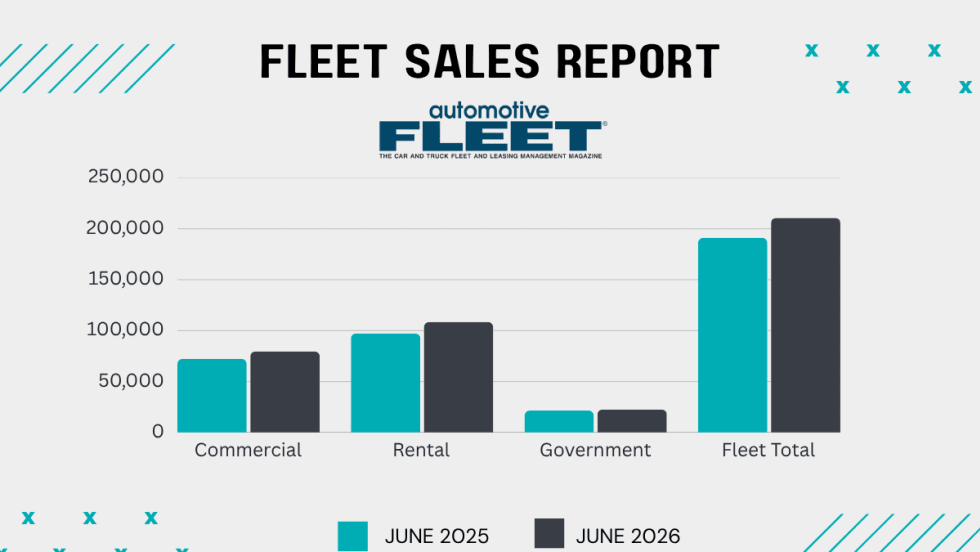
Commercial Fleet Sales Contribute To June, YTD Gains
The fleet sector has boosted its vehicle purchases at a reliable pace in the first half of this year compared with 1H 2025.
Read More →
What Fleet Managers Really Want From Vendors
From customer service frustrations and technology breakdowns to RFQs, change management, and the growing impact of turnover across the industry, this conversation pulls back the curtain on the real operational challenges fleet managers are navigating every day.
Read More →
Fleet Safety Masterclass: Industry Leaders on Storytelling, Strategy & Innovation
In this special masterclass episode, industry leaders break down what it really takes to build safer fleets in today’s increasingly distracted and data-driven world.
Read More →
Integrating Legacy Fleet Systems and Historical Data
In this episode, we bring together fleet and technology leaders to unpack the realities of data integration, system migrations, and the evolving role of AI in fleet management.
Read More →
From Resistance to Results: Change Management Strategies for Fleets
From new technologies and safety programs to evolving regulations, fleets are under constant pressure to adapt. But as Dr. Betz explains, success isn’t about the system you implement—it’s about whether your people actually use it.
Read More →
Where We're Headed: A Practical Look at AI in Fleet
Discover how AI is actually being deployed in fleets, not just marketed, including practical use cases and emerging risks.
Read More →