




U.S. Bank Updates Voyager Fleet Card to Cover EV Charging
U.S. Bank is teaming up with ChargePoint, the world’s largest electric vehicle (EV) charging network, to offer Voyager Network Fleet Card acceptance at tens of thousands of ChargePoint charging ports throughout the United States.

Photo courtesy of U.S. Bank

Photo courtesy of U.S. Bank
Beginning this summer, public buses, delivery trucks, and other fleets will have the opportunity to reduce their environmental footprint more than ever before. U.S. Bank is teaming up with ChargePoint, the world’s largest electric vehicle (EV) charging network, to offer Voyager Network Fleet Card acceptance at tens of thousands of ChargePoint charging ports throughout the United States. ChargePoint will begin equipping its locations for acceptance immediately and expects the process to be completed over the summer.
Together, the companies are bringing many firsts to the industry. ChargePoint is the first EV charging network to accept corporate fleet cards, and Voyager is the first fleet card issuer to be accepted at their charging spots nationwide. This first-of-its-kind relationship in the fleet industry is timely, as Electric Vehicles International predicts electric car fleets to reach 20 million by 2020 globally.
“Joining the Voyager Network is a significant enhancement to ChargePoint’s already comprehensive fleet charging solutions that simplify operations for a wide range of government, utility and private fleet operators,” said Michael Jones, vice president, Sales, ChargePoint, Inc. “As the demand for electric transportation increases, ChargePoint continues to innovate across our portfolio, adding features and technologies that make going electric seamless, convenient, and cost-effective for fleet operators. Making expense management easy while giving fleet drivers the flexibility to charge at multiple locations on the ChargePoint network is yet another innovation that makes our solution even more compelling to fleet managers.”
The Voyager Network, owned and operated by U.S. Bank, is one of the largest fleet fueling and maintenance acceptance networks in the United States. The Voyager Fleet Card is accepted at more than 320,000 fueling, maintenance, and service locations and used by millions of drivers of fleet cars, trucks, and heavy-duty commercial rigs. The network offers sophisticated purchase controls and data that simplify fleet expense management by giving fleet managers greater visibility and control over fleet spend.
“Working with ChargePoint is an excellent example of our commitment as a bank to promoting a sustainable environment while supporting economic growth,” said U.S. Bank Global Transportation General Manager John Hardin. “ChargePoint’s well-established nationwide presence gives our fleets instant access to an alternative power source and reflects the bank’s strategy of pursuing innovative partnerships in renewable energy.”
More Green Fleet
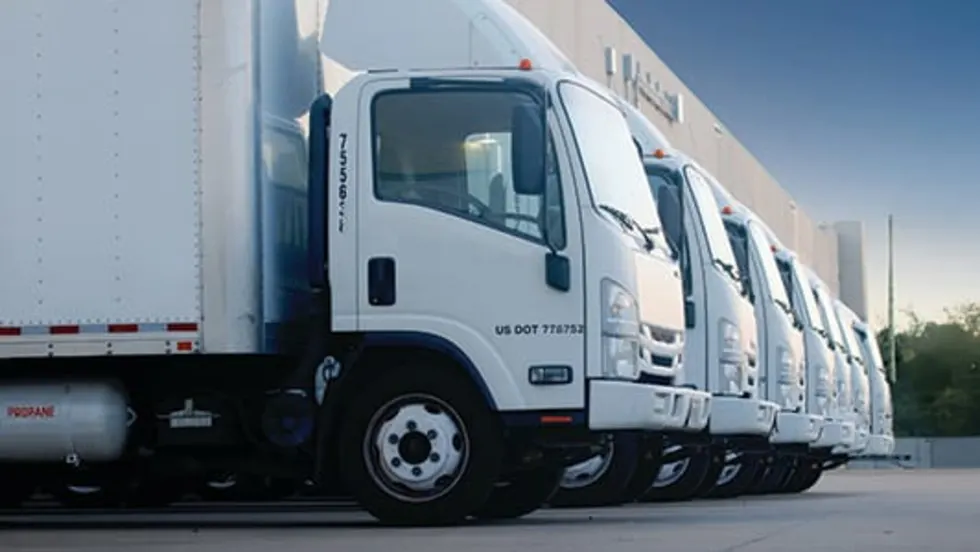
New Propane Autogas Program Offers Fleet Compensation
Qualified commercial fleets can receive $7,500 per eligible propane autogas vehicle and up to $10,000 for new refueling site prep. Learn how the program works and see whether your fleet qualifies.
Read More →
EV Charging Use Is Outpacing Infrastructure Growth
ChargePoint’s 2026 Charging Forward Report points to rising charger use, higher-powered charging, commercial vehicle electrification, and energy-management technology. Here’s what fleets should know.
Read More →
Merchants Fleet Reports 290M EV Miles as Fleets Navigate Changing Electrification Market
From millions in operating savings to hundreds of millions of EV miles, Merchants Fleet’s latest report reveals what’s working and what’s changing in fleet electrification.
Read More →

The EV Breakdown Nobody's Talking About: Why Most Electric Vehicle Roadside Calls Aren't Mechanical Failures
Here's why EV breakdowns are widely misunderstood.
Read More →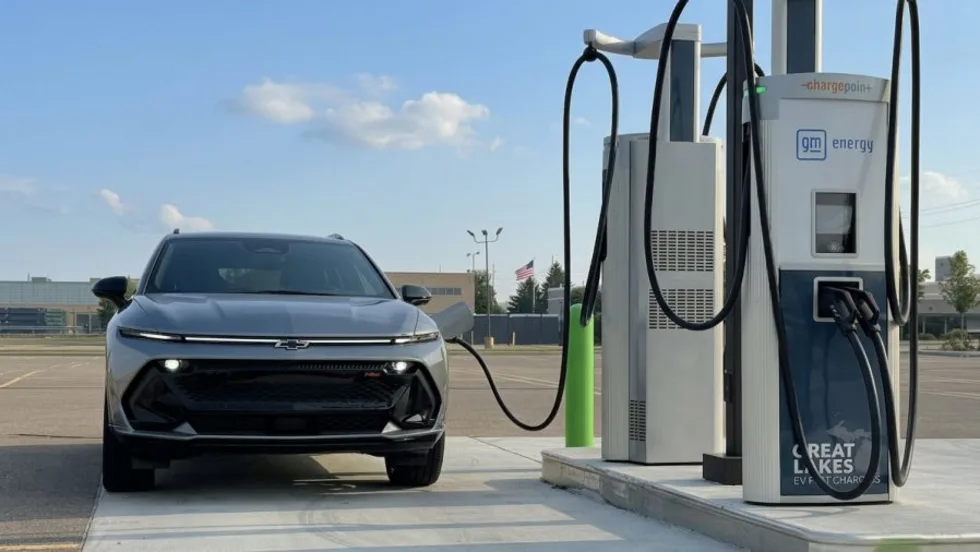
ChargePoint Now Available in Energy Pass
ChargePoint and additional planned charging network integrations were added to GM's Energy Pass.
Read More →

First Look: Slate Auto's Electric Fleet Pickup
Could an affordable, modular EV pickup make electrification more practical for fleets?
Read More →
Slate Debuts Colorful, Unique EV Models
A recent media and client event, studded with electric vehicles dressed up on platforms, planted a new position for the manufacturer in the wider EV market. Fleets will find cost-saving advantages.
Read More →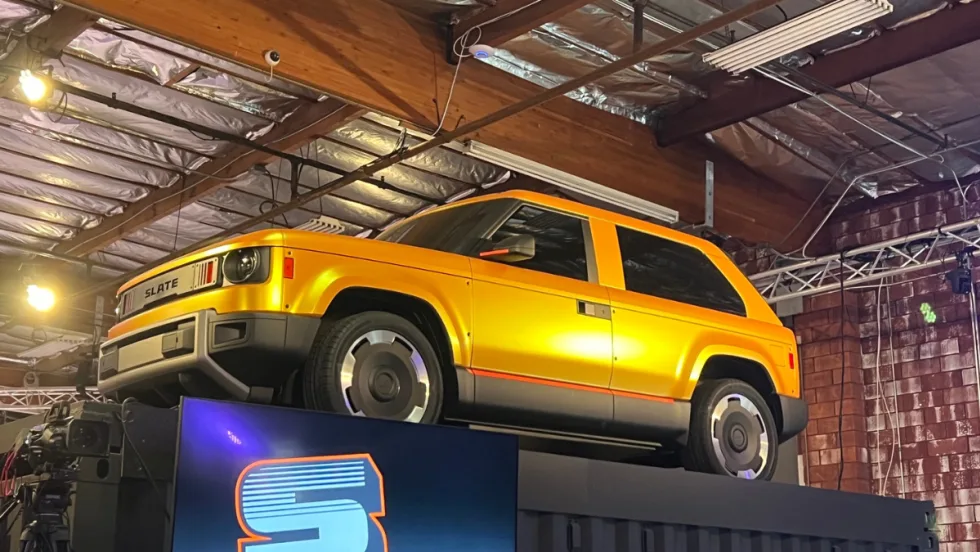
Slate Electric SUV, Pickup Switchable Model Aims For Light-Duty Fleets
Everything about this EV is counterintuitive and understated, making it stand out from the crowd.
Read More →
Inspiration Mobility Acquires Key Electrada Assets
Inspiration Mobility Group has acquired select assets of Electrada, adding the fleet electrification provider's team, technology, and charging infrastructure development capabilities to its energy management business.
Read More →