




Related: Behind UPS' Decision to Make Collision Mitigation Standard
UPS Turns to Virtual Reality to Train Drivers
UPS will begin using cutting-edge virtual reality technology to train drivers at UPS Integrad training facilities.
by Staff
August 15, 2017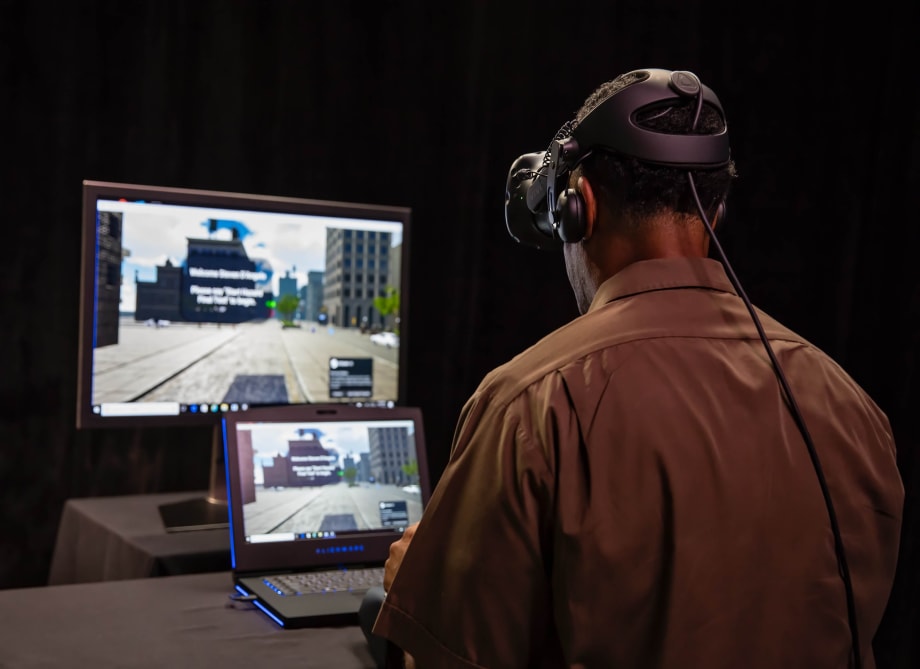
UPS says its new virtual reality training technology is realistic down to the finest details. Photo: UPS
2 min to read
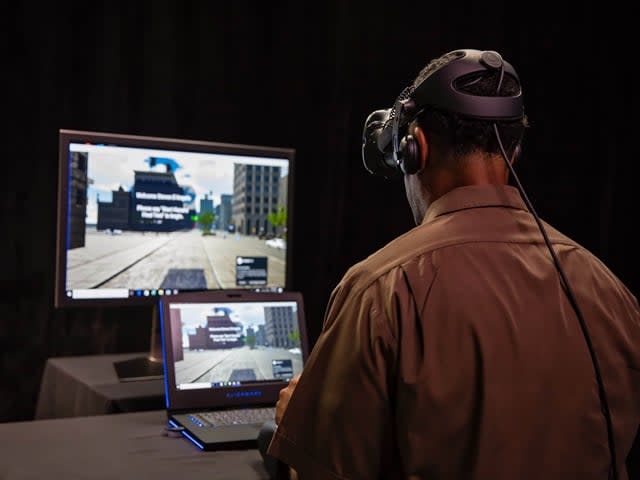
UPS says its new virtual reality training technology is realistic down to the finest details. Photo: UPS
UPS announced it will start using new, virtual reality (VR) technology to train drivers to better spot and identity road hazards. The training will be done using VR headsets that UPS said vividly simulate the experience of driving on city streets while providing a more memorable classroom lesson.
The company will begin launching VR training in September at its nine UPS Integrad training facilities in the U.S. and Europe. It said the adoption of VR for driver safety training reflects UPS’s commitment to using the latest and best technology to protect its on-road employees and the communities they serve.
IT experts at UPS created the VR training modules that users see and hear inside VR headsets. Students using the modules must verbally identify potential road hazards such as pedestrians, parked cars and oncoming traffic. The 360-degree view inside the headset is realistic down to the finest details.
“Virtual Reality offers a big technological leap in the realm of driver safety training,” said Juan Perez, UPS chief information and engineering officer. “VR creates a hyper-realistic streetscape that will dazzle even the youngest of our drivers whose previous exposure to the technology was through video games.”
The VR training modules replace the touchscreen devices UPS Integrad facilities currently use to teach lessons on road hazards. For now, the VR training is only for those who drive package delivery trucks. But the company is exploring VR and even Augmented Reality (AR) for training tractor-trailer drivers and performing other duties throughout the operation.
UPS Integrad facilities teach students the fundamentals of driving delivery vehicles and delivering packages using a hands-on approach. Students even practice driving UPS delivery trucks in a replica outdoor city that has real streets and sidewalks and simulated delivery and pickup sites.
The first UPS Integrad opened in Landover, Maryland, in 2007. The training – based on the philosophy “Teach me. Show me. Let me.” – occurs before students begin more intensive on-road training. Nearly 9,000 drivers have graduated from UPS Integrad locations since 2007.
“This training is foundational, and Virtual Reality brings it to life,” said Jeanne Lawrence, UPS Integrad expansion director. “VR complements real-world training in a way that deeply engages our employees in the UPS Integrad curriculum.”
More Safety

Nexar-Nauto Merger Aims to Give Fleets Better Safety Intelligence Through Larger Driving Dataset
Stefan Heck tells Automotive Fleet that combining more than 10 billion miles of driving history with Nexar's AI models will give fleets deeper insights into driver risk and roadway conditions than either company could provide independently.
Read More →
Don't Wait for a Crisis: 5 Ways to Build Mental Health Into Your Fleet Safety Program
For Suicide Prevention Month, fleet and safety leaders have an opportunity to put mental health where it belongs: at the center of workplace safety.
Read More →
How Camera Data Can Strengthen a Fleet’s Insurance Renewal
Insights from a commercial insurance carrier and a broker show how fleets can turn video telematic data, driver coaching, and improved claims results into a stronger case at insurance renewal.
Read More →
The Safest Fleets Aren’t the Ones with the Most Technology
You’ve made the telematics investment. Here’s how to capture the other half of its value and build the safest fleet on the road.
Read More →
Sponsored•August 7, 2026
Hidden in Plain Sight: Fleet Compliance Risks
Fleet compliance isn't just about having policies — it's about consistently enforcing them. This practical guide reveals six hidden compliance risks common in public sector and shared fleet operations and outlines proven strategies to improve visibility, accountability, and audit readiness
Read More →
NETS Sets 2026 Fleet Safety Benchmark Conference for Indianapolis
The Sept. 15–17 program will feature fleet benchmarking data, case studies, emerging technologies, and implementation strategies while running alongside the NSC Safety Congress & Expo.
Read More →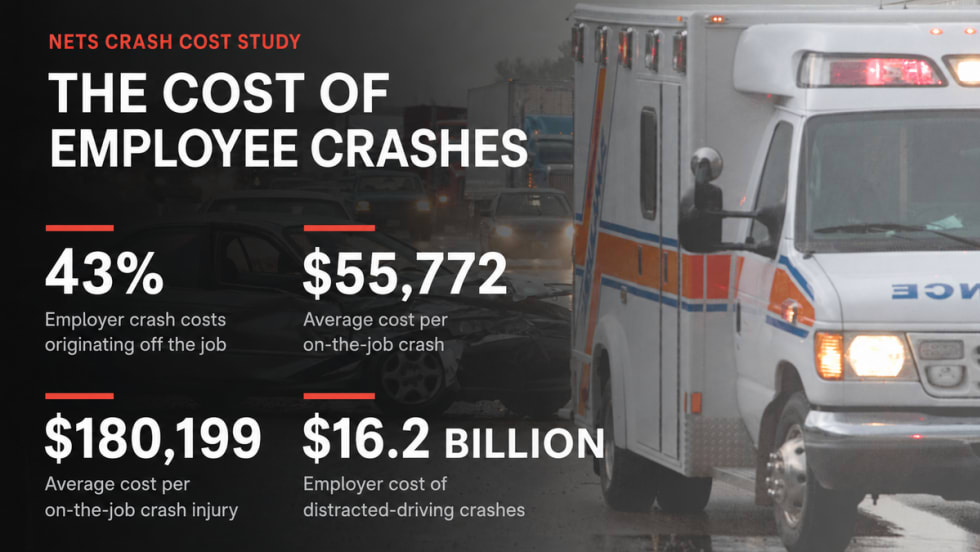
Off-the-Job Crashes Account for 43% of Employers’ $61.7 Billion Crash Burden
NETS quantifies costs dispersed across fleet, risk, HR, and other departments while providing new per-crash benchmarks for employers.
Read More →
Ram Recalls More Than 1.27 Million 1500 Pickups for Seat Belt Anchor Issue
The recall affects certain 2019-2026 Ram 1500 pickups that may have improperly attached second-row seat belt buckle anchors.
Read More →
Sponsored•July 17, 2026
How Better Visibility Cut Speeding Violations by 48%
Fleet leaders don't need more data, they need clearer visibility into what the data is saying. This case study explores how one utility replaced speeding-event counts with a single metric — miles driven in violation — to strengthen safety and significantly reduce speeding violations.
Read More →
Operation Safe Driver Week: Why the Industry's Oldest Safety Campaign Still Matters to Fleets
A look at how a 2007 enforcement initiative became one of the most consequential weeks on the fleet safety calendar, and what it means for your drivers in 2026.
Read More →