




UPS Raises Fleet Fuel Efficiency Goal 20% by 2020
ATLANTA - UPS has set a new automotive goal to improve the miles per gallon performance of its entire U.S. package delivery fleet by 20 percent between 2000 and 2020.
ATLANTA - UPS has set a new automotive goal to improve the miles per gallon (mpg) performance of its entire U.S. package delivery fleet by 20 percent between 2000 and 2020.
The goal was announced July 26 as UPS released the latest annual update of its corporate Sustainability Report and builds on gains UPS already has made by increasing its U.S. mpg 10 percent between 2000 and 2009. It applies to a U.S. ground fleet of 60,000 vehicles.
"Our automotive efficiencies over the last decade show a genuine commitment to conserving fuel and decreasing the emissions associated with the packages we deliver," said Bob Stoffel, UPS senior vice president and the executive responsible for UPS's sustainability program. "This new goal for the next decade is an important milestone in UPS's continuing dedication to finding and using new technology and processes that help us meet our customers' needs in a sustainable way."
For example in 2009, UPS drivers logged 77.3 million more miles than in 2000, yet fuel consumption decreased by 3.2 million gallons. Fuel efficiency levels were improved through improved vehicle technology, effective vehicle maintenance procedures, fuel conservation efforts, sophisticated routing technology and operational initiatives such as minimizing engine idling. Alternative-fuel technology and vehicle deployments also improve UPS' fuel efficiency.
The automotive goal complements the company's announcement last year that it will improve the carbon efficiency (CO2/ATM) of its airline by an additional 20 percent by 2020, for a cumulative reduction of 42 percent since 1990. The airline represents 53 percent of the company's global carbon footprint.
UPS has already deployed 245 new "green" vehicles running on compressed natural gas, adding to a fleet of nearly 2,000 alternative fuel vehicles.
More Fuel
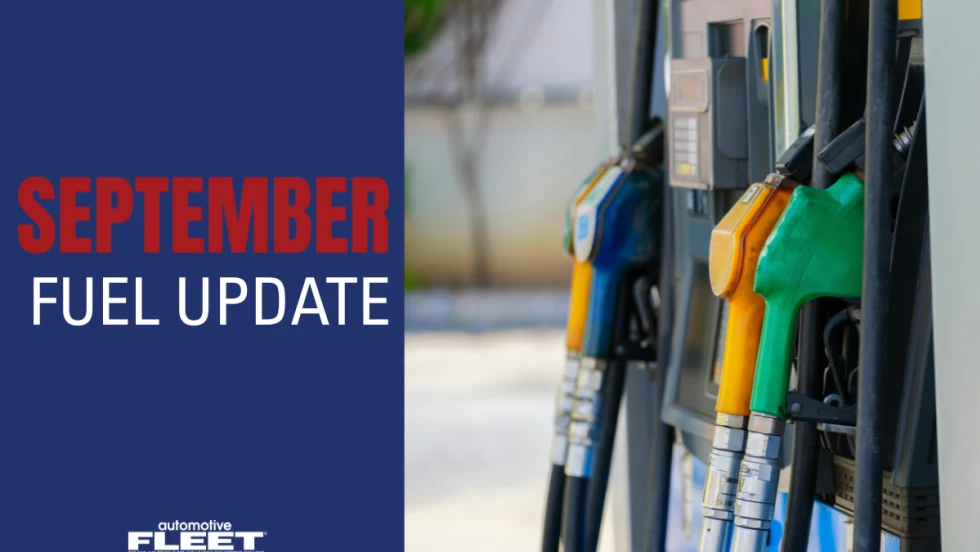
Fuel Prices Surge in September | September Fuel Update
September brought major fuel price swings, including diesel crossing $6 a gallon. Here’s how gas and diesel prices changed throughout the month, and where they stood heading into October.
Read More →
Turning Fleet Payment Data into Executive Insights
Ramel Lindsay of U.S. Bank Voyager discusses how fleets can transform payment and transaction data into actionable intelligence to reduce costs, improve oversight, and support executive decision-making.
Read More →
Why the IRS Raised Its Mileage Rate in the Middle of 2026
Fuel-price volatility drove the rare increase to 76 cents per mile, the fifth midyear adjustment since 2000.
Read More →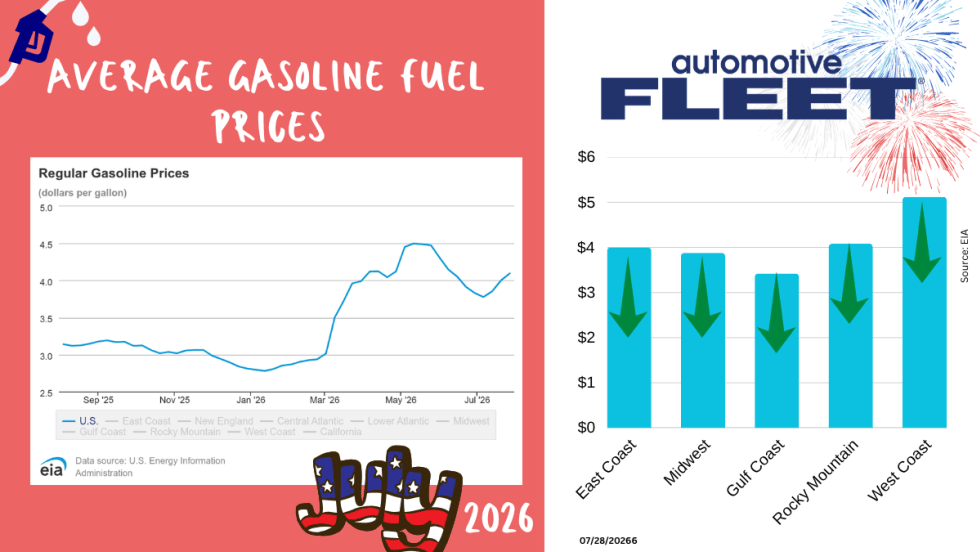
July Fuel Update: Prices Keep Rising in Light of More Conflict
Gas prices continue to rise as more and more conflicts do, too.
Read More →
Bob Adamsky on Fuel Volatility: "Don't Panic, Have a Plan."
When it comes to up and down fuel prices, Adamsky has a message for fleets: “Don’t panic.”
Read More →
How Fleets Can Gain Control of Non-Fuel Spend
Fuel often gets the spotlight, but non-fuel expenses can have a major impact on fleet costs. Ramel Lindsay of U.S. Bank Voyager discusses how fleets can gain better visibility and control over these often-overlooked expenditures.
Read More →
Fuel is Just the Start: How Middle East Tensions are Driving Up Fleet Maintenance Costs
The Middle East conflict is doing more than pushing up fuel prices. It’s also raising the cost of key maintenance products your fleet depends on, from motor oil to tires to windshield wipers. Here’s what you need to know about this budget-busting situation.
Read More →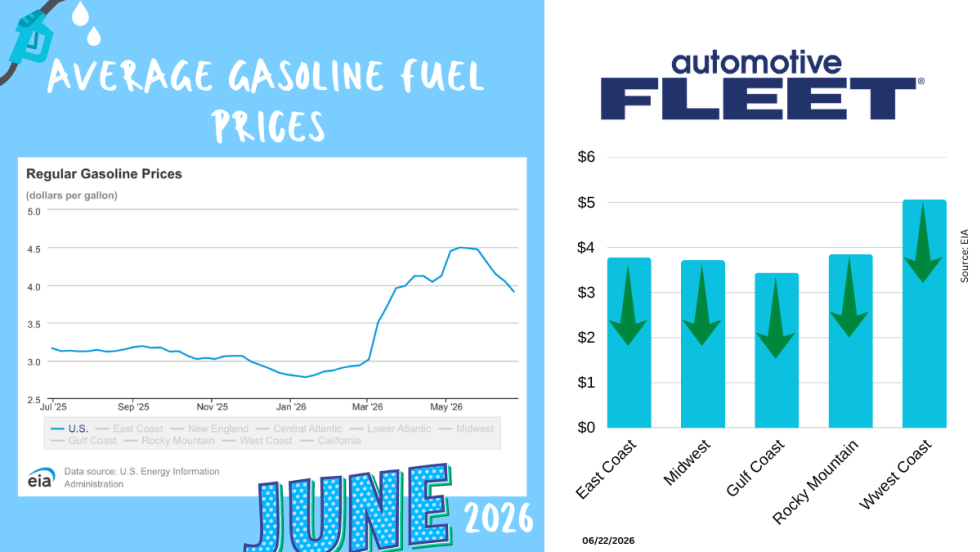
June Fuel Update: Prices Fall Below $4
Drivers are finally getting some relief at the pump. The national average gas price has dropped below $4 a gallon for the first time in months, with prices falling in 47 states as oil markets react to developments in U.S.-Iran negotiations.
Read More →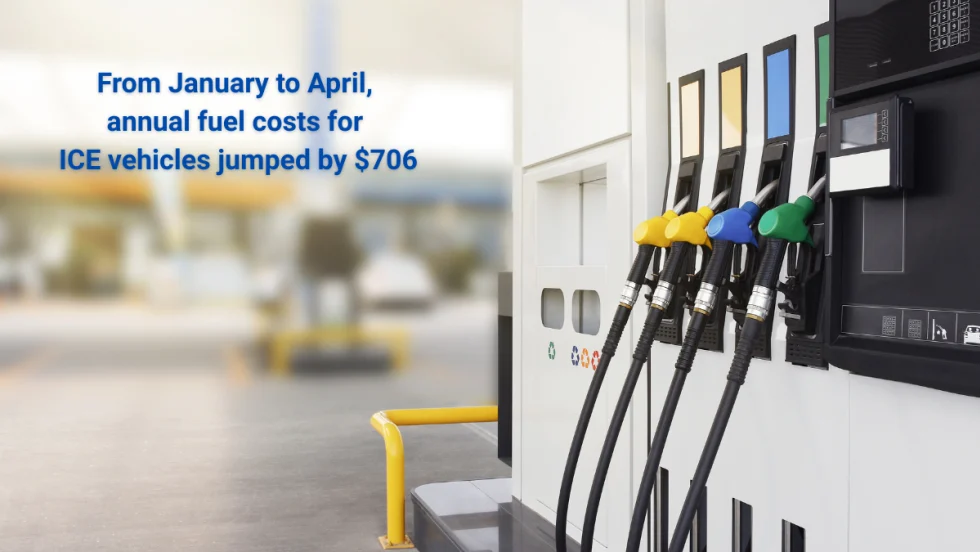
Study: How 2026's Gas Price Hikes Affect Different Vehicle Types
New data from iSeeCars reveals how rising fuel costs have affected different vehicle segments as gasoline prices climbed nearly 46% over the past four months.
Read More →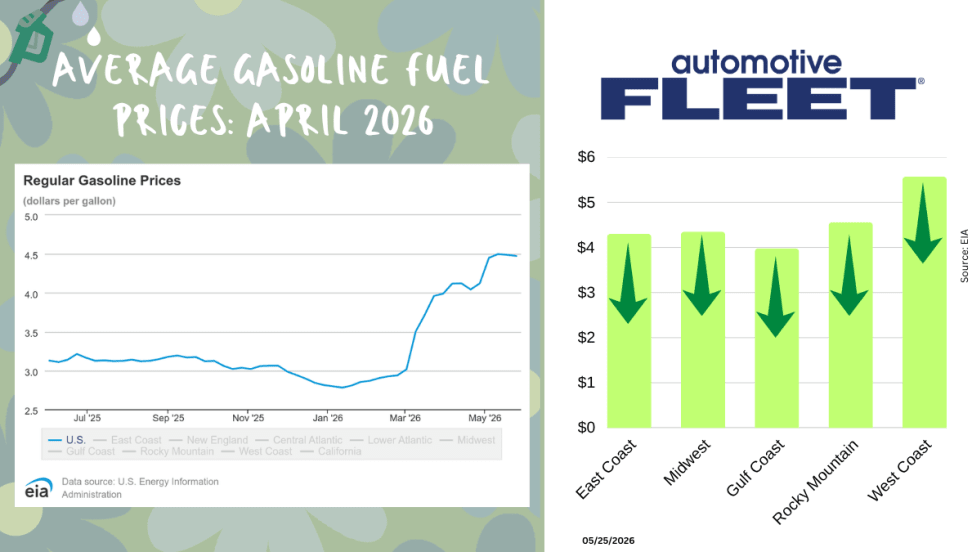
May Fuel Update: All Regions Experience Declines
Gas prices are finally easing in much of the country, but experts warn global tensions could quickly reverse the trend as the national average remains well above last month’s levels.
Read More →