




UPS Hybrid Vans Deliver 28.9% Fuel Savings
ATLANTA - The 28.9 percent fuel economy improvement results in a 15 percent improvement in total cost per mile, according to the National Renewable Energy Laboratory (NREL).
ATLANTA- UPS' first-generation hybrid diesel step delivery vans, powered by an Eaton Corp. electric hybrid propulsion system, have improved the fleet's on-road fuel economy by 28.9 percent, according to a report by the U.S. Department of Energy's (DOE) National Renewable Energy Laboratory (NREL).
NREL collected and analyzed fuel economy, maintenance, and other vehicle performance data from the UPS hybrid diesel step delivery vans and found the 28.9 percent fuel economy improvement results in a 15 percent improvement in total cost per mile while maintaining similar reliability and operational performance as compared to conventional vehicles.
Funded by the DOE's Advanced Vehicle Testing Activity (AVTA), NREL's Fleet Test & Evaluation (FT&E) team performed a 12-month evaluation of six of these hybrid vans at a UPS location in Phoenix. Fuel economy and emissions performance of a conventional and hybrid delivery van in NREL's ReFUEL laboratory in Denver, Colo. on various test cycles was also documented.
Robert Hall, UPS director of maintenance and engineering, said he hopes the evaluation will speed up market acceptance of hybrid diesel systems. "NREL's report on the performance of our hybrid delivery vehicles is helping make this type of energy-efficient vehicle a standard in the industry."
Eaton Corp. provided the hybrid propulsion systems for the vehicles, manufactured by Freightliner Corp. The hybrid system employs an Eaton automated transmission with an integrated motor/generator and advanced lithium ion batteries. Both the Freightliner hybrid model and the conventional model use a Mercedes-Benz MBE 904 four-cylinder diesel engine. UPS has recently ordered an additional 200 Eaton hybrid electric powered vans.
The Eaton hybrid system was developed in part under a previous $7.5 million, 33-month contract from DOE's Advanced Heavy Hybrid Propulsion System program.
"Having provided funding for the development of the Eaton hybrid system, DOE was eager to participate in testing the system in a commercial fleet," Lee Slezak, DOE's AVTA program manager said. "Our goal is to help develop more efficient vehicle technologies and then document their on-road performance."
The evaluation of UPS' new diesel hybrid vans follows a 2002 UPS/DOE demonstration of 13 compressed natural gas delivery vehicles in UPS' Hartford, Conn., fleet. NREL's FT&E team also provided direction and analysis on that project. A second generation study is currently planned for 2010 to look at more advanced versions of the Eaton hybrid in operation within the UPS fleet.
UPS is currently ranked #2 on Automotive Fleet's 2009 Top 300 Commercial Fleets and Top 100 Truck Fleets listings, in addition to its spot as #12 on the Top 50 Green Fleets.
More Fuel

Turning Fleet Payment Data into Executive Insights
Ramel Lindsay of U.S. Bank Voyager discusses how fleets can transform payment and transaction data into actionable intelligence to reduce costs, improve oversight, and support executive decision-making.
Read More →
Why the IRS Raised Its Mileage Rate in the Middle of 2026
Fuel-price volatility drove the rare increase to 76 cents per mile, the fifth midyear adjustment since 2000.
Read More →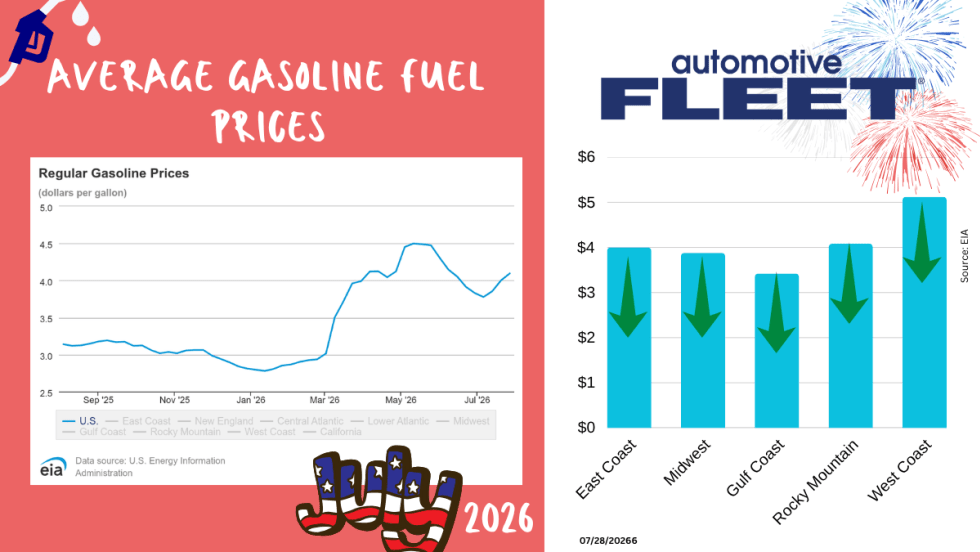
July Fuel Update: Prices Keep Rising in Light of More Conflict
Gas prices continue to rise as more and more conflicts do, too.
Read More →
Bob Adamsky on Fuel Volatility: "Don't Panic, Have a Plan."
When it comes to up and down fuel prices, Adamsky has a message for fleets: “Don’t panic.”
Read More →
How Fleets Can Gain Control of Non-Fuel Spend
Fuel often gets the spotlight, but non-fuel expenses can have a major impact on fleet costs. Ramel Lindsay of U.S. Bank Voyager discusses how fleets can gain better visibility and control over these often-overlooked expenditures.
Read More →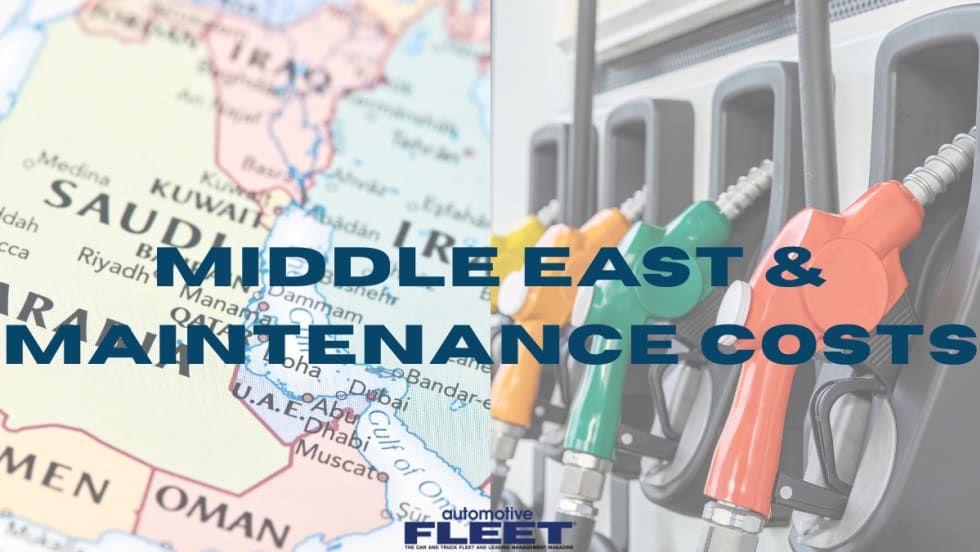
Fuel is Just the Start: How Middle East Tensions are Driving Up Fleet Maintenance Costs
The Middle East conflict is doing more than pushing up fuel prices. It’s also raising the cost of key maintenance products your fleet depends on, from motor oil to tires to windshield wipers. Here’s what you need to know about this budget-busting situation.
Read More →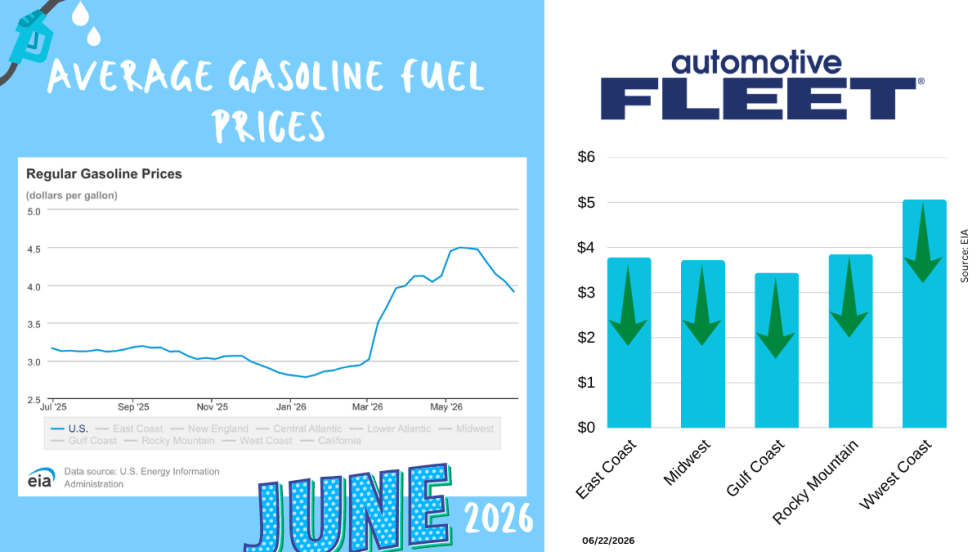
June Fuel Update: Prices Fall Below $4
Drivers are finally getting some relief at the pump. The national average gas price has dropped below $4 a gallon for the first time in months, with prices falling in 47 states as oil markets react to developments in U.S.-Iran negotiations.
Read More →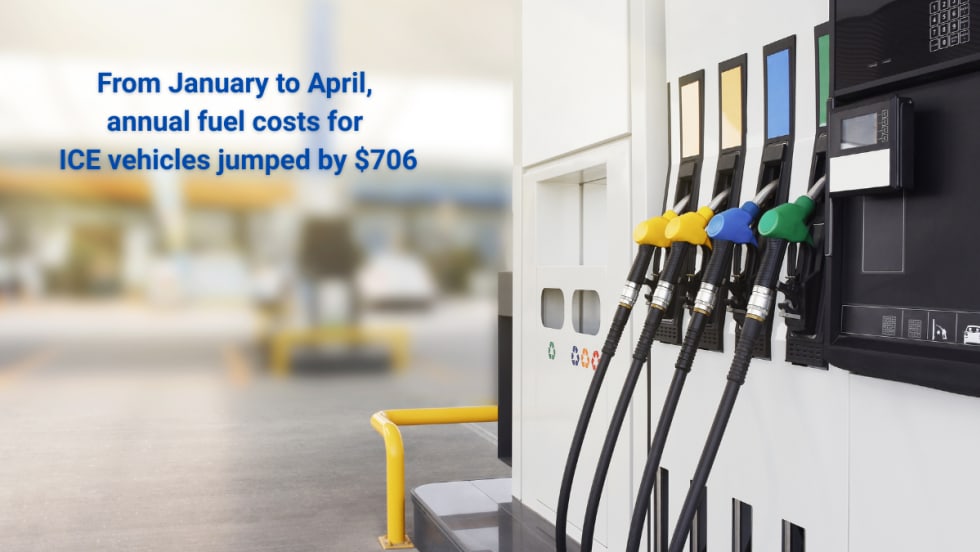
Study: How 2026's Gas Price Hikes Affect Different Vehicle Types
New data from iSeeCars reveals how rising fuel costs have affected different vehicle segments as gasoline prices climbed nearly 46% over the past four months.
Read More →
Are You Tracking Your Fleet's True Total Cost of Ownership?
Bobit Business Media surveyed 190 fleet professionals and found that while most fleets are tracking costs, fragmented systems and data gaps are keeping true TCO visibility out of reach. With rising pressure to control spend in an increasingly volatile environment, the gap between what fleets think they know and what the data actually shows is wider than you might expect. See how your peers are managing costs today and where the industry still has room to improve.
Read More →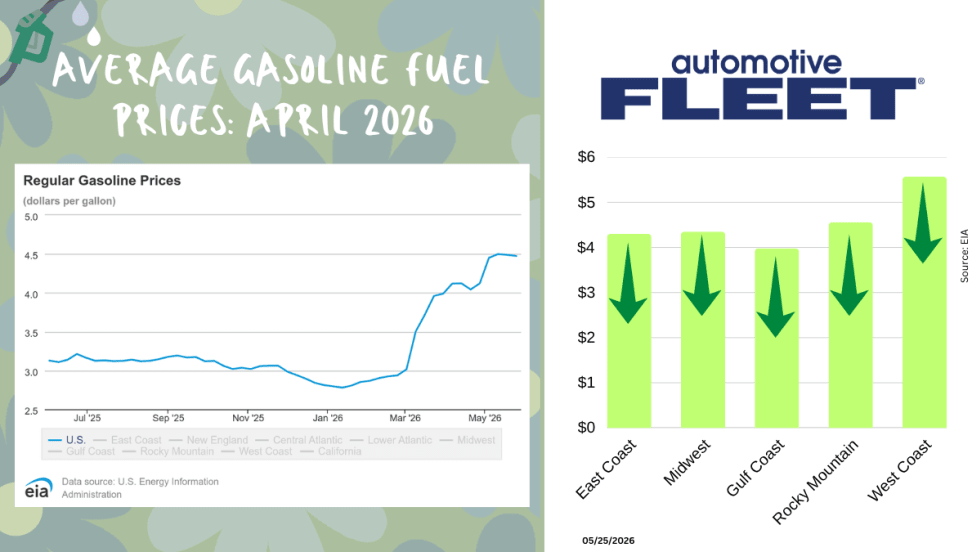
May Fuel Update: All Regions Experience Declines
Gas prices are finally easing in much of the country, but experts warn global tensions could quickly reverse the trend as the national average remains well above last month’s levels.
Read More →