




UPS Fleet Veteran Provides Fuel-Saving Advice
ATLANTA --- UPS's Robert Hall offers tips on reducing fuel consumption.
ATLANTA --- Twenty-year UPS Automotive veteran Robert Hall has spent a lot of time looking for ways to reduce fuel consumption. With a fleet of 94,500 vehicles on the road each day, drivers can learn a thing or two from UPS's fuel conservation practices.
"Fuel conservation has been a priority at UPS since our founding nearly 100 years ago. We find that even the smallest changes to daily driving habits can make a difference," said Hall. "What we do for a large fleet can be easily adapted for any driver."
To help drivers improve their vehicle's performance, resulting in greater fuel mileage, Hall offers some simple tips:
Plan your route. When running errands or going on a trip, consider the best way to get to the locations without backtracking. When taking a long trip, use maps or Internet sites to determine the quickest and most direct route.
Avoid left turns. UPS routes are designed to avoid left turns. The company has learned that idling waiting to turn left wastes gas -- not to mention the cars idling behind you waiting for you to turn. It is also safer to avoid left turns since you reduce the number of times you turn across oncoming traffic.
Schedule regular car maintenance. Maintaining your car can affect its gas mileage. Just making sure that the tires are properly inflated can save on fuel economy.
Drive responsibly. Driving style can affect the gas mileage of your vehicle. Making a fast start from a stoplight or driving over the speed limit can reduce fuel economy. UPS practices safe driving and a "no idling" policy --- no matter how short of a stop a UPS driver makes, the engine is turned off.
Reduce the weight in the vehicle. Unnecessary items in the trunk can contribute to lower gas mileage. Eliminate anything you don't need.
Use the car with the best gas mileage. If you have more than one car, use the one that gets the best gas mileage when making long trips. UPS tries to match its vehicle to the needs of its routes. In some cases, that means deliveries are made by bicycle, particularly if the streets are too congested to pass through easily.
More Fuel
WEX Report: Fleet Fuel Costs Rise as Purchasing Volumes Hold Steady in 2026
New analysis of WEX customer transaction data highlights rising fuel expenses, differences in purchasing behavior, and opportunities for fleet managers to evaluate operating costs.
October Fuel Trends Show Diverging Gasoline and Diesel Prices
Get the latest fuel trends from October.
Fuel Prices Surge in September | September Fuel Update
September brought major fuel price swings, including diesel crossing $6 a gallon. Here’s how gas and diesel prices changed throughout the month, and where they stood heading into October.

Turning Fleet Payment Data into Executive Insights
Ramel Lindsay of U.S. Bank Voyager discusses how fleets can transform payment and transaction data into actionable intelligence to reduce costs, improve oversight, and support executive decision-making.
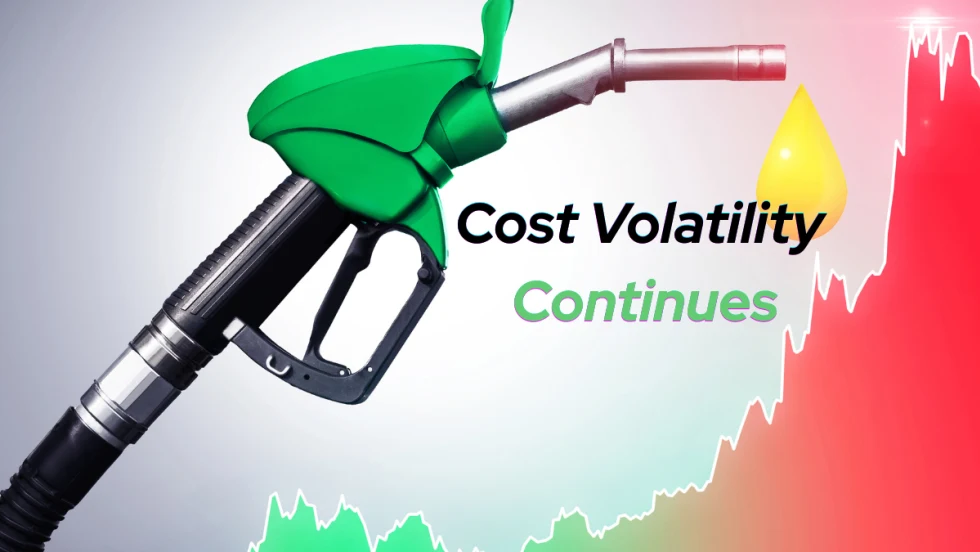
Why the IRS Raised Its Mileage Rate in the Middle of 2026
Fuel-price volatility drove the rare increase to 76 cents per mile, the fifth midyear adjustment since 2000.
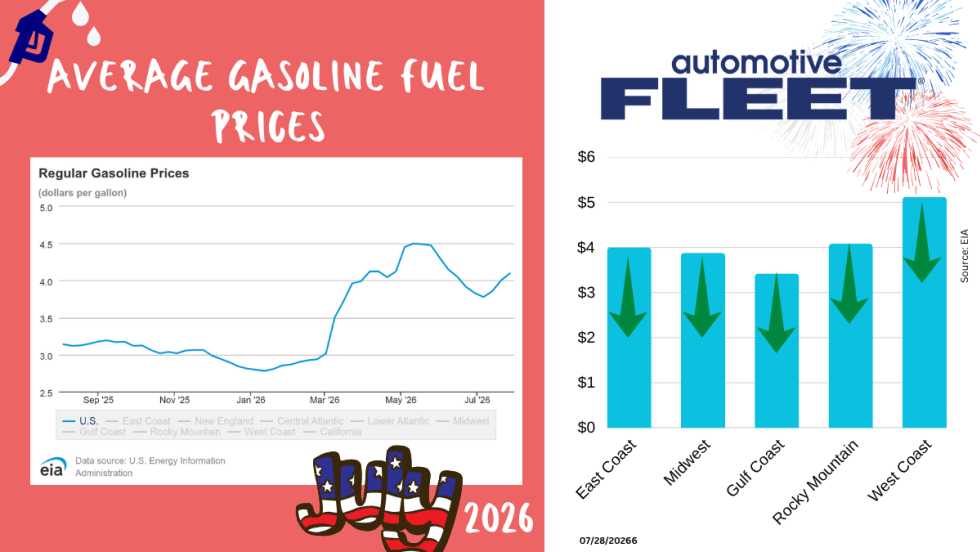
July Fuel Update: Prices Keep Rising in Light of More Conflict
Gas prices continue to rise as more and more conflicts do, too.
Bob Adamsky on Fuel Volatility: "Don't Panic, Have a Plan."
When it comes to up and down fuel prices, Adamsky has a message for fleets: “Don’t panic.”

How Fleets Can Gain Control of Non-Fuel Spend
Fuel often gets the spotlight, but non-fuel expenses can have a major impact on fleet costs. Ramel Lindsay of U.S. Bank Voyager discusses how fleets can gain better visibility and control over these often-overlooked expenditures.
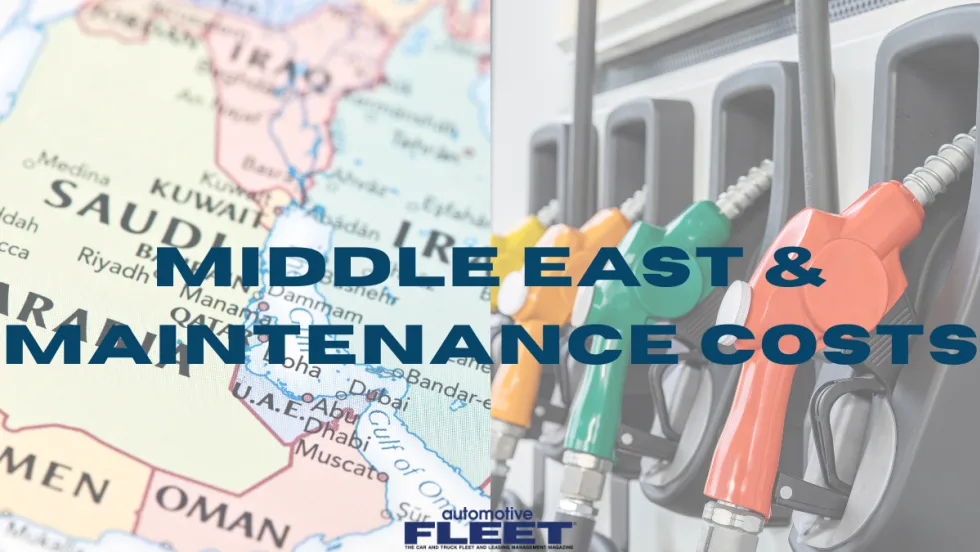
Fuel is Just the Start: How Middle East Tensions are Driving Up Fleet Maintenance Costs
The Middle East conflict is doing more than pushing up fuel prices. It’s also raising the cost of key maintenance products your fleet depends on, from motor oil to tires to windshield wipers. Here’s what you need to know about this budget-busting situation.
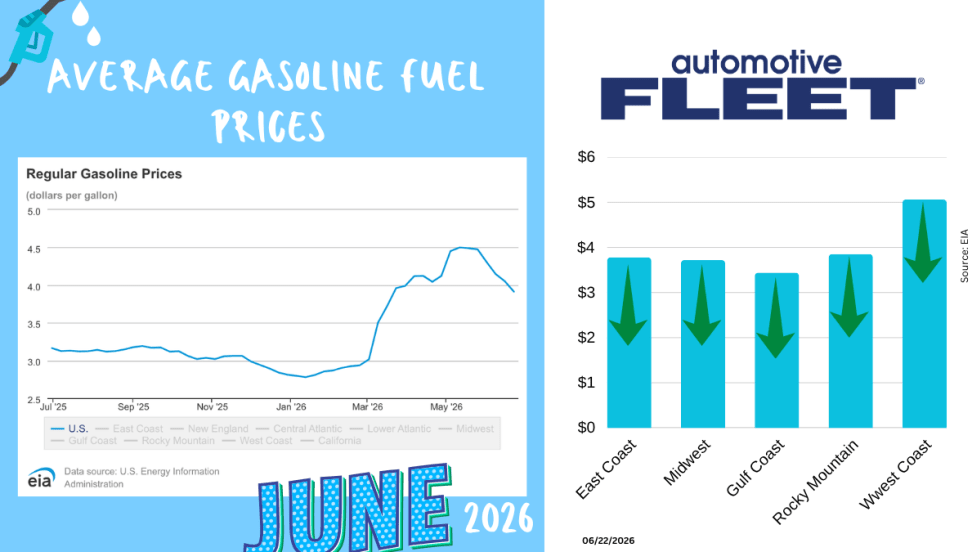
June Fuel Update: Prices Fall Below $4
Drivers are finally getting some relief at the pump. The national average gas price has dropped below $4 a gallon for the first time in months, with prices falling in 47 states as oil markets react to developments in U.S.-Iran negotiations.