




UPS, FedEx Pledge $1 Million to Harvey Recovery Effort
UPS and FedEx have both pledged $1 million through charitable foundations in support of recovery efforts in Texas and Louisiana following the devastation from Hurricane Harvey.

Photo via UPS

Photo via UPS
Updated* UPS and FedEx have both pledged $1 million through charitable foundations in support of recovery efforts in Texas and Louisiana following the devastation from Hurricane Harvey.
UPS pledged $1 million from a combination of cash grants, in-kind transportation movements, and technical expertise to provide urgent relief as well as support for long-term needs ranging from rebuilding to personal and financial recovery assistance.
The UPS Foundation is working with FEMA, the American Red Cross, The Salvation Army, and other humanitarian groups to assess longer-term needs and will commit an additional $500,000 in cash and in-kind assistance for recovery needs that will be specified during the post crisis recovery phase in the coming months.
“In this time of enormous need, it is critical to establish and support extensive networks of public-private partnerships to get aid to those who need it, as quickly as possible,” said Eduardo Martinez, president of The UPS Foundation and chief diversity and inclusion officer. “At the same time, setting aside funding and other resources for long-term recovery efforts is also important, and we are laying that groundwork as well.”
The UPS Foundation is a charitable organization focused on community involvement in local, national and global communities. Last year the UPS Foundation responded to 20 major world disasters and invested more than $13 million in funding, in-kind, and technical support for community safety initiatives that included participation in urgent disaster response preparedness, response, and recovery.
FedEx has committed $1 million in cash and transportation support to deliver critical medical aid and supplies to areas affected by Hurricane Harvey. The company is supporting disaster relief through its relationships with the American Red Cross, Direct Relief, Heart to Heart International, Salvation Army, and Team Rubicon.
The collaboration is part of the FedEx Cares “Delivering for Good” initiative. The company uses its expertise in shipping and logistics to connect organizations, communities, and individuals with the resources they need through charitable shipping and cash donations.
“Our thoughts and prayers are with the millions of people affected by this unprecedented storm,” said David J. Bronczek, president and chief operating officer of FedEx Corp. “FedEx will continue to work closely with humanitarian and disaster relief organizations to provide support and deliver supplies to assist those hardest hit by the storm.”
The story was updated to include FedEx's $1 million commitment to Hurricane Harvey disaster relief.
More Operations

Fleet Has a Talent Pipeline Problem. What Comes Next? | AF News Recap
Where will fleet’s next generation of leaders come from? This week, we’re looking at the industry’s talent pipeline, what certification can add to a fleet career, how to build an award-worthy track record, and the return of Automotive Fleet’s Personal Use Survey.
Read More →
Smith System Launches Driver Risk Management Program
Fleets have more driver data than ever, but identifying risky behavior doesn't necessarily correct it. Smith System's new Driver Risk Management program combines monitoring, training, and follow-up coaching to help fleets connect risk signals with driver intervention.
Read More →
Automotive Fleet Opens 2026 Personal Use Survey for Commercial Fleet Managers
Less than two weeks left! Commercial and corporate fleet managers are invited to share how their organizations handle company vehicle personal-use policies, charges, and driver eligibility.
Read More →
From AI Prompts to AI-Generated Safety Songs | AF News Recap
Can better prompts make AI more useful for fleet managers? This week, we’re breaking down smarter fleet analysis, an AI-assisted experiment that turned safety training into music, and what happened to fuel prices in August.
Read More →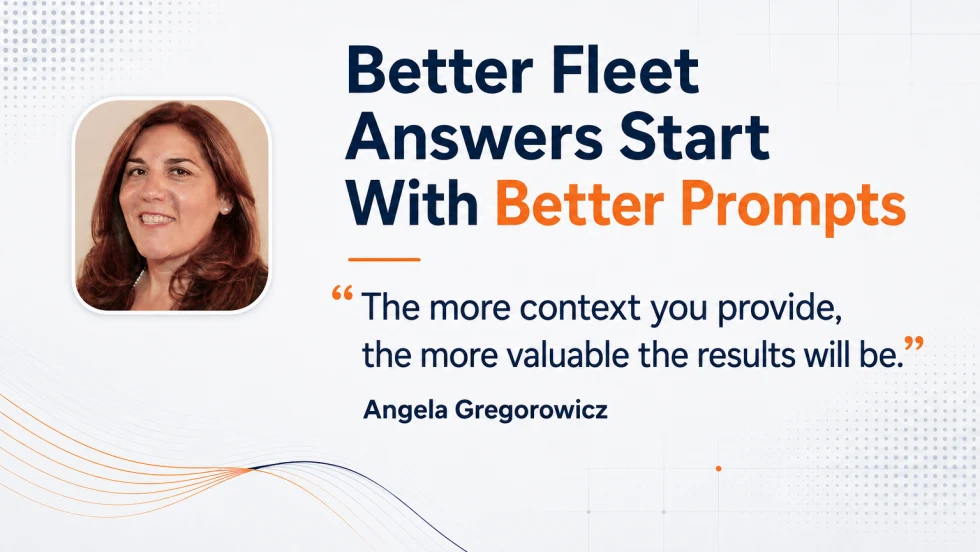
How to Write Better AI Prompts for Fleet Analysis
Include these six elements in your fleet prompts to generate more relevant analysis and accurate answers.
Read More →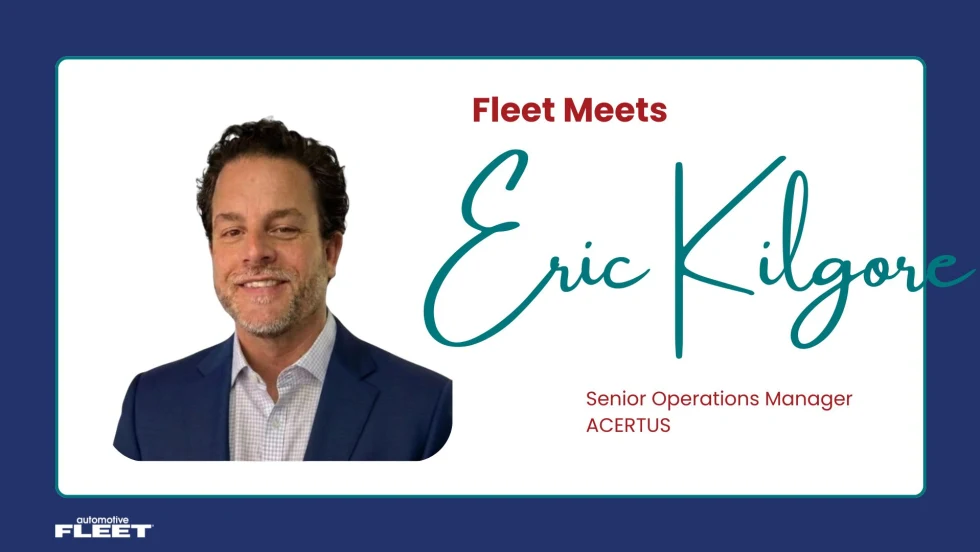
Fleet Meets: Eric Kilgore
This edition of the Fleet Meets series features one of the industry's best leaders driving multi-market and national operations.
Read More →
Why Reactive Fleet Management Is Becoming Too Expensive to Sustain
Research highlights a growing need for proactive management strategies to address rising costs in fleet operations effectively.
Read More →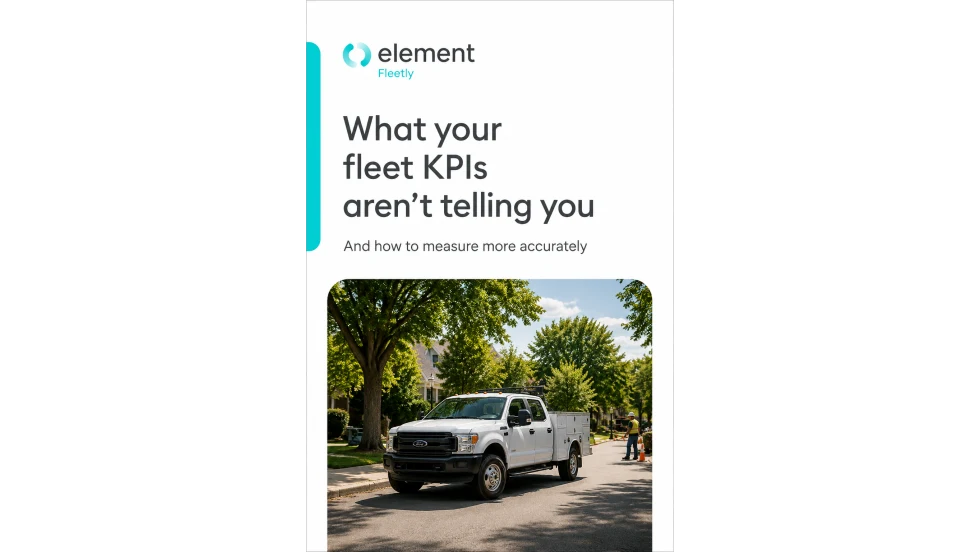
What Your Fleet KPIs Aren’t Telling You
Tracking fleet metrics is only useful when the data leads to better decisions. This guide helps fleet leaders assess cost, utilization, and downtime more accurately, identify performance gaps, and prioritize the actions that can improve operational results.
Read More →
Hidden in Plain Sight: Fleet Compliance Risks
Fleet compliance isn't just about having policies — it's about consistently enforcing them. This practical guide reveals six hidden compliance risks common in public sector and shared fleet operations and outlines proven strategies to improve visibility, accountability, and audit readiness
Read More →
Turning Fleet Payment Data into Executive Insights
Does data alone drive results in operations?
Read More →