




UCM Awarded Grant to Study Electric Vehicles
WARRENSBURG, MO - The University of Central Missouri's (UCM) has been awarded a $5 million grant funded by the U.S. Department of Energy to study advanced electric drive vehicles.
WARRENSBURG, MO - The University of Central Missouri's (UCM) Automotive Technology Management Program has been awarded a $5 million grant funded by the U.S. Department of Energy (DOE) to study advanced electric drive vehicles (AEVs).
Earlier this year, UCM joined with the Missouri University of Science and Technology in Rolla, Linn State Technical College in Linn, and the Missouri Science Center in St. Louis, to apply for funding related to AEV education programs. UCM will receive about $650,000 over the next three years to carry out its commitment to the joint grant. The Missouri Safety Center and members of the Automotive Technology Management Program will have different areas of focus.
"It will require a 20-percent match from our campus," said Scott Wilson, associate professor and coordinator of the automotive technology management program in UCM's School of Technology. "We believe we can take care of that through existing equipment, equipment donations, and other opportunities which will make our cost minimal."
Wilson and Terry Nicoletti, assistant professor, are principal investigators for the grant in the automotive technology area. They were joined in the application process by Terry Butler, director of the Missouri Safety Center, with additional assistance from Teresa Fayle, staff member in the Office of Sponsored Research.
Under the grant agreement, Missouri University of Science and Technology will focus on development of courses to train AEV engineers, the Missouri Science Center will address public outreach, and UCM and Linn State will develop courses for operators, technicians and product support managers.
Nicoletti and Wilson plan to create an undergraduate certificate program for AEVs as well as education materials for technicians and trainers who will be involved with electric vehicles. Six courses will be developed toward the certificate for non-degree seeking individuals who are interested in AEV technology, and those courses could be used as an endorsement for traditional four-year automotive technology management majors.
"It is our intent to have the certificate and all courses in place by the end of the third year of the grant. We do have some courses that already exist, but they will need to be modified," Nicoletti said.
The grant begins in January 2010. The first two years will be spent on research, course and materials development, with some courses being offered on a pilot basis.
"In the next five to 10 years, 50 to 60 percent of passenger vehicles will have some sort of electric motor," Nicoletti noted. "We will work with manufacturers to develop the content for our courses."
Wilson and Nicoletti expect high school instructors, community college instructors, industry trainers and others to be able to complete the certificate requirements, then assist in teaching AEV courses at their respective companies and institutions.
The Missouri Safety Center will develop non-academic safety awareness training short courses designed to educate individuals on AEV safety concerns, including hands-on driver safety training. These courses will include educational outreach to AEV fleet purchasers, AEV technicians and maintenance personnel, AEV drivers, law enforcement and emergency management services personnel, as well as the general public.
The courses will be developed in formats that include workshops and in-service training, and opportunities via the Internet such as webinars. The Missouri Safety Center will create a Web-based short course for the general public as an overview of all AEV types and concerns for personal use. It is a course that also can be used as a curriculum supplement for high school driver education. The first year of the grant will be spent on course development with delivery available to different constituencies beginning in the next two years.
The Missouri Safety Center has previous experience working with the DOE. Butler said the center received a grant from the DOE in the early 1980s to conduct driver energy conservation awareness training.
More Green Fleet

EV Charging Use Is Outpacing Infrastructure Growth
ChargePoint’s 2026 Charging Forward Report points to rising charger use, higher-powered charging, commercial vehicle electrification, and energy-management technology. Here’s what fleets should know.
Read More →
Merchants Fleet Reports 290M EV Miles as Fleets Navigate Changing Electrification Market
From millions in operating savings to hundreds of millions of EV miles, Merchants Fleet’s latest report reveals what’s working and what’s changing in fleet electrification.
Read More →
The EV Breakdown Nobody's Talking About: Why Most Electric Vehicle Roadside Calls Aren't Mechanical Failures
Here's why EV breakdowns are widely misunderstood.
Read More →
ChargePoint Now Available in Energy Pass
ChargePoint and additional planned charging network integrations were added to GM's Energy Pass.
Read More →

First Look: Slate Auto's Electric Fleet Pickup
Could an affordable, modular EV pickup make electrification more practical for fleets?
Read More →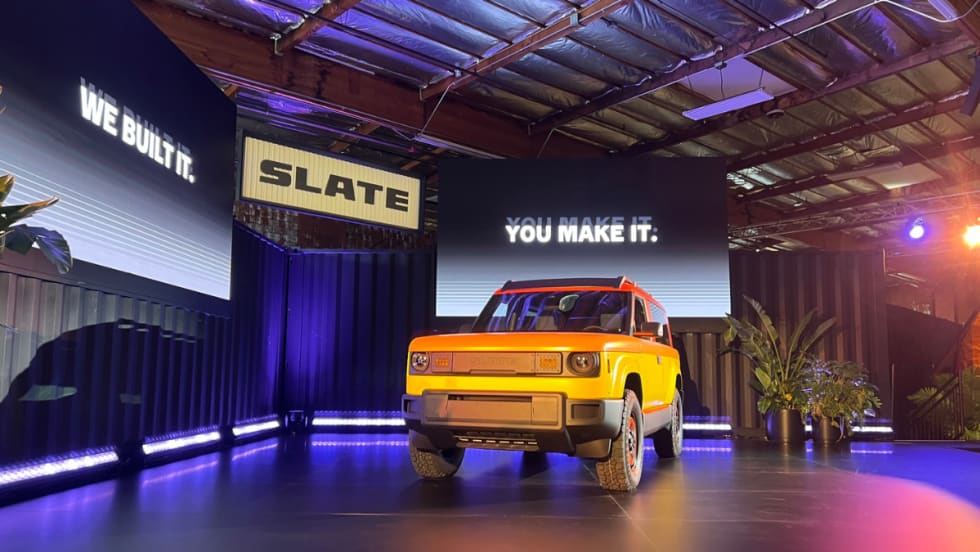
Slate Debuts Colorful, Unique EV Models
A recent media and client event, studded with electric vehicles dressed up on platforms, planted a new position for the manufacturer in the wider EV market. Fleets will find cost-saving advantages.
Read More →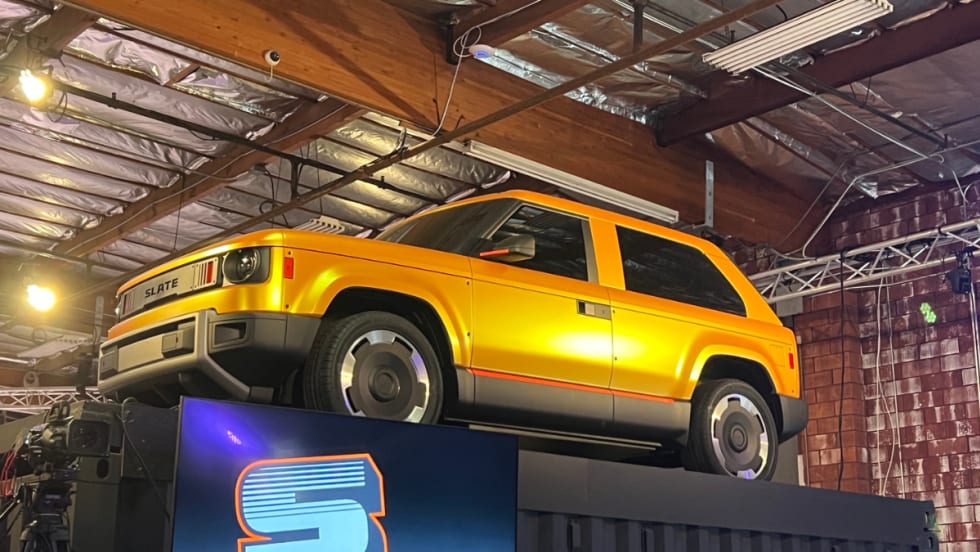
Slate Electric SUV, Pickup Switchable Model Aims For Light-Duty Fleets
Everything about this EV is counterintuitive and understated, making it stand out from the crowd.
Read More →
Inspiration Mobility Acquires Key Electrada Assets
Inspiration Mobility Group has acquired select assets of Electrada, adding the fleet electrification provider's team, technology, and charging infrastructure development capabilities to its energy management business.
Read More →
Turning Connected Vehicle Data Into Decisions That Matter
Fleet leaders have more data than ever, but turning that data into clear, actionable decisions remains a challenge. This white paper shows how leading organizations are using connected vehicle data to improve safety, reduce costs, and optimize fleet performance. Learn how to turn insight into action across your fleet.
Read More →