




DAVIS, Calif. --- For the next two years, a research team at the University of California at Davis will study driver attitudes and preferences about plug-in hybrids. Ten modified Toyota Priuses, which can be recharged from a 110-volt electric outlet, will be loaned to 100 families in northern California for six to eight weeks each. The drivers will be surveyed about their automobile preferences and attitudes before, during and after they use the cars. The U.C. Davis analysis of their experiences will constitute the first comprehensive consumer report on plug-in hybrid electric vehicles. The cars can travel as far as 20 miles on batteries before drinking a drop of gasoline, or get 100 miles per gallon in combined gasoline-electric mode. "What we have seen is that, as consumers become more aware of hybrids, the cars are going beyond the innovators to the core market. The Prius is now the best-selling sedan in the San Francisco Bay Area and one of the most popular cars in California," said Tom Turrentine, a research anthropologist at the U.C. Davis Institute of Transportation Studies. He directs the university's new Plug-in Hybrid Electric Vehicle Research Center. Plug-in hybrids, however, are still virtually unknown to consumers. There are fewer than 100 plug-in hybrids in the U.S. today. All are cars that were converted by their owners, since there are no commercially produced plug-ins for sale yet. With so few on the road, little is known about how consumers will use them. Policymakers, energy suppliers and automakers are asking UC Davis to fill in some of the blanks. "We know that existing hybrids offer environmental benefits and some savings on fuel costs," said Turrentine. "Plug-in hybrids offer improvements of those benefits, plus the ability to recharge at home and choice of fuel alternatives. It's your choice every day -- you can choose to use electricity or you can choose to use gasoline." What is the difference between a conventional hybrid and a plug-in? Hybrids are powered by a combination of electricity and gasoline, but are never plugged in. The electricity they use is generated "on board" when the driver steps on the brakes. Plug-in hybrids have bigger batteries to store more electricity, and can be plugged into the electricity grid for recharging. Designs vary, but some plug-in hybrids can operate on electricity alone for distances as long as 40 miles. Plug-ins are less expensive to run, at about 2.7 cents per mile in electric-only mode, compared with 7 cents per mile for a conventional hybrid (and 10 cents per mile for an average gasoline-only car). Moreover, while driving a hybrid reduces consumption of fossil fuel for transportation, driving a plug-in hybrid reduces it even more, by using less gasoline or diesel and more electricity. The U.C. Davis Plug-in Hybrid Center was established in January with $3 million in funding from the California Energy Commission's Public Interest Energy Research (PIER) program. The consumer-attitude research project is supported with an additional $1.8 million from the California Air Resources Board. Two other key partners in the Plug-in Hybrid Center are Pacific Gas & Electric Co. and the American Automobile Association of Northern California.
U.C. Davis Researchers to Study Driver Attitudes About Plug-in Hybrid Use
DAVIS, Calif. --- For the next two years, a research team at the University of California at Davis will study driver attitudes and preferences about plug-in hybrids.
More Operations
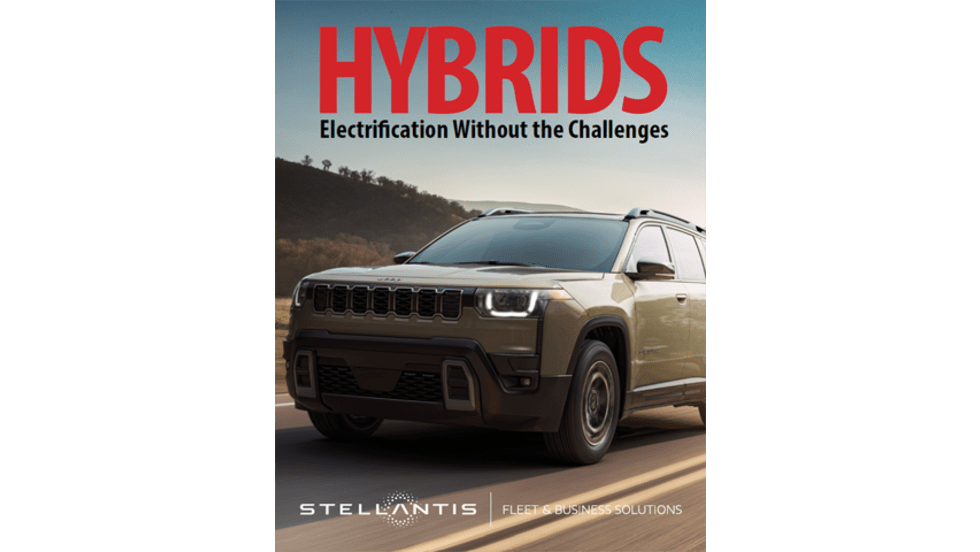
Hybrids: Electrification Without the Challenges
For fleet managers, fuel is one of the biggest line items in the budget — and it's one hybrids can shrink without changing how your people work. Download the eBook to see the numbers, understand the technology, and get a step-by-step guide to making the switch.
Read More →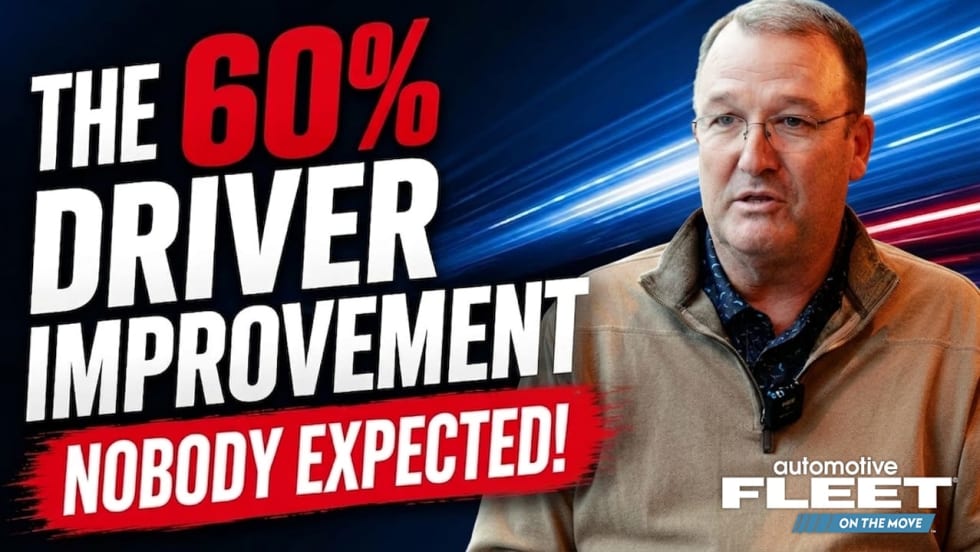
How NOV Uses Telematics to Improve Fleet Safety Across 160 Locations
James Victory of NOV discusses how the company manages fleet safety, maintenance, and telematics across more than 150 locations supporting oilfield operations throughout the U.S.
Read More →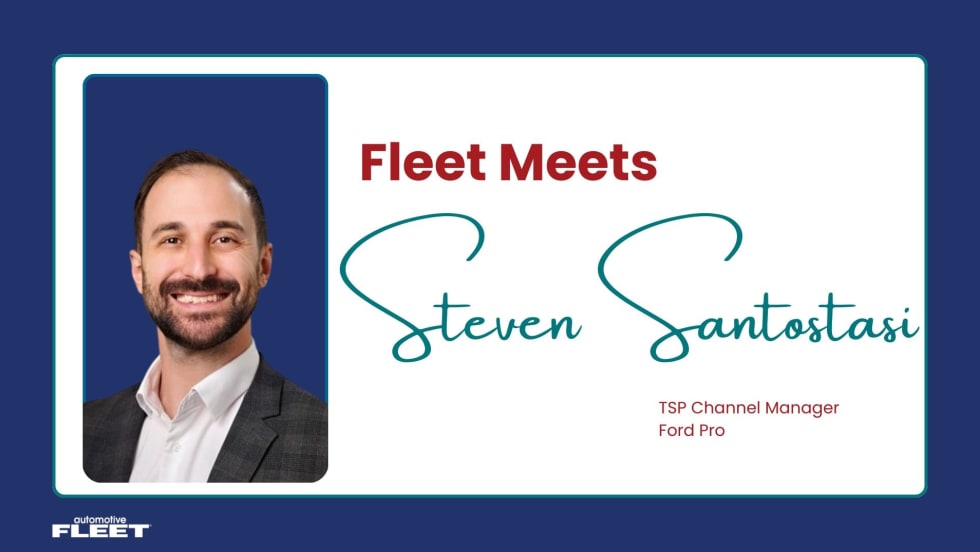
Fleet Meets: Steven Santostasi
This edition of the Fleet Meets series features Steven Santostasi, the current TSP channel manager for Ford Pro.
Read More →
Why Fleet Managers Are Replacing Departmental Vehicles with Shared Motor Pools
Departmentally assigned vehicles often create hidden costs through underutilization, poor visibility, and increased administrative burden. This white paper explores how shared motor pool strategies help fleets reduce costs, improve accountability, and optimize vehicle utilization.
Read More →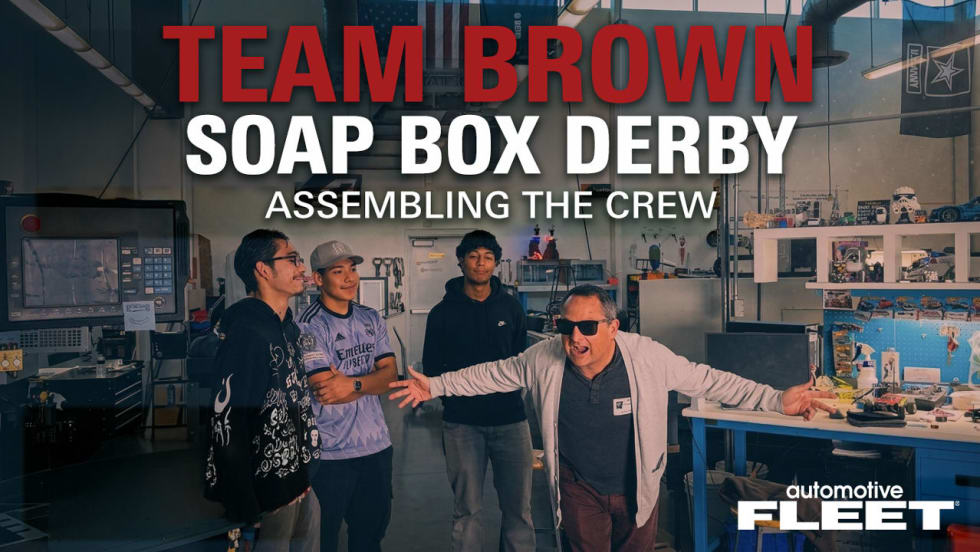
Soap Box Derby Challenge: Assembling the Crew
Meet Gabriel, Matthew, and Angel — the team helping bring this soap box derby build to life.
Read More →
BBL Fleet Acquires Velcor Leasing Corporation
BBL Fleet expanded its footprint in the fleet management industry with the acquisition of Velcor Leasing Corporation of Madison through a stock purchase agreement finalized Feb. 27, 2026.
Read More →
Lytx Introduces New AI Fleet Technologies at Protect 2026
The company introduced new AI-driven fleet safety and operations technologies during its annual user conference.
Read More →
Fleet Costs Are Rising: Here’s How Leaders Are Responding
Fleet leaders are under pressure to reduce costs, adapt to economic uncertainty, and make smarter decisions. See how peers across North America are responding with real data, proven strategies, and forward-looking insights. Download the 2026 Market Pulse Report to benchmark your strategy and uncover where you can gain an edge.
Read More →
From Waffle House to AI: Fleet Trends You Need to Know
In this AF news recap, host Faith Howell covers how Waffle House stepped up during disaster response and new AI tech on the market.
Read More →
Fleet Operations in the Age of AI: Navigating Ethical and Legal Challenges
AI is no longer a future concept for fleets—it’s already embedded in the tools, data, and decisions that operators rely on every day. In this episode of the Fleet Forward Podcast, recorded live at Fleet Forward, industry leaders take the conversation beyond hype to examine what responsible AI adoption really looks like in fleet operations.
Read More →