




Related: Uber Offers Self-Driving Volvo CX90s in San Francisco
Uber Ends Self-Driving Pilot in San Francisco
The California DMV revoked the registrations on the 16 self-driving Volvo XC90s that Uber was using in its pilot program. Uber will move the vehicles to Arizona.
by Staff
December 22, 2016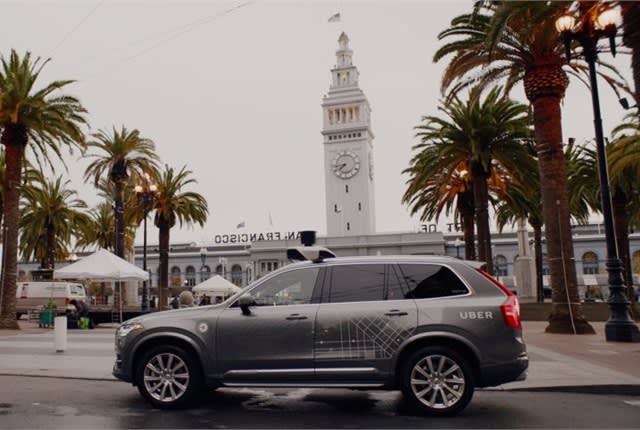
Photo courtesy of Volvo.
2 min to read
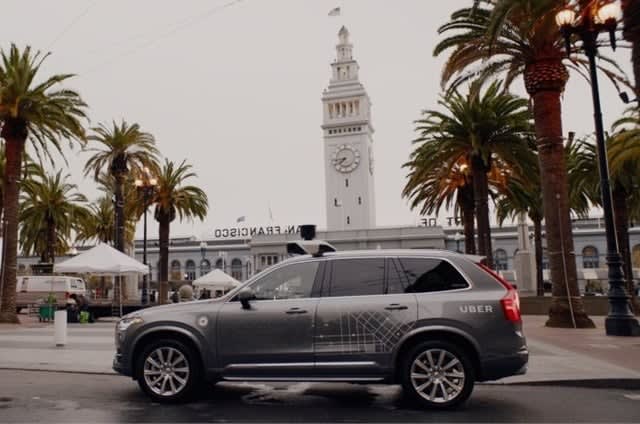
Photo courtesy of Volvo.
Uber will end its self-driving pilot program in San Francisco after a meeting with the California DMV and the attorney general’s office. The DMV revoked the registration on the 16 self-driving test vehicles Uber was using in the pilot.
Uber will now move its self-driving vehicles to Arizona for the pilot program.
"Arizona welcomes Uber self-driving cars with open arms and wide open roads," said Arizona Gov. Doug Ducey. "While California puts the brakes on innovation and change with more bureaucracy and more regulation, Arizona is paving the way for new technology and new businesses. In 2015, I signed an executive order supporting the testing and operation of self-driving cars in Arizona with an emphasis on innvoation, economic growth, and most importantly, public safety."
The California DMV issued this statement: “The California DMV encourages the responsible exploration of self-driving cars. We have a permitting process in place to ensure public safety as this technology is being tested. Twenty manufacturers have already obtained permits to test hundreds of cars on California roads. Uber shall do the same.”
Uber decided to not pursue this permitting process because it claims that its cars aren’t considered autonomous since they can’t operate completely autonomously at this stage.
“We respectfully disagree with the California Department of Motor Vehicles legal interpretation of today’s autonomous regulations, in particular that Uber needs a testing permit to operate its self-driving cars in San Francisco,” Anthony Levandowski , Uber’s vice president of engineering, posted on the Uber website. “The regulations apply to ‘autonomous vehicles.’ And autonomous vehicles are defined as cars equipped with technology that can drive a vehicle without the active physical control or monitoring by a human operator. But the self-driving Ubers are not capable of driving without active physical control or monitoring.”
"We are pleased to hear that the DMV took enforcement action, which I strongly supported; consequently, Uber has removed its unpermitted self-driving vehicles from San Francisco’s streets," said San Francisco Mayor Edwin Lee."I have always been a strong supporter of innovation and autonomous vehicle development and testing, but only under conditions that put human, bicyclist, and pedestrian safety first. San Francisco will continue to work with innovative companies while working with state legislators and agencies to keep our residents safe."
Uber had started to offer self-driving Volvo XC90 luxury SUVs to customers in San Francisco. This expanded its partnership with Volvo that launched in August to provide self-driving vehicles in Pittsburgh.
More Operations
Here's When You Should Make an Exception to Fleet Policy
Fleet policies are designed to create consistency, but not every driver or situation fits neatly within standard rules.
Read More →
AI-Native or AI-Acquired: What Should Fleet Managers Look for in an AI Platform?
Six questions can help fleet managers look beyond AI marketing claims to evaluate integration, data access, and real-world operational performance.
Read More →
Sponsored•October 14, 2026
A buyer's guide to fleet management software in 2027
Buying fleet management software in 2027 means looking beyond features and price. As fleet operations, technology and expectations evolve, this guide explores what today’s fleet professionals should consider when choosing a system that can deliver value now and adapt to what comes next.
Read More →

What Will Shape the Next Era of Fleet Management?
EVs, AI, and autonomous vehicles are reshaping fleet management. Discover what’s ahead—and how fleet leaders can prepare for the next era.
Read More →
How Fleets Can Recruit and Train Veterans for Technician Roles
Here's how the technician shortage has affected uptime for fleets, and what to do about it.
Read More →
Avis Budget Group Deploys Neology Toll Management Technology Across Major Brands
Neology’s neoFleet platform will manage toll transactions and toll-authority operations for vehicles across Avis, Budget, Payless, Budget Truck and Zipcar.
Read More →
Fleet Personal-Use Charges Edge Higher in 2026
Nearly eight in 10 surveyed fleets allow personal use of company vehicles, while just over half of respondents report charging employees for the privilege.
Read More →
The Future of Fleet + What’s Changing Right Now | AF News Recap
Could developments overseas offer a preview of what’s coming for U.S. fleets? This week, we’re looking at the future of AI, autonomy, and electrification, plus Ford Pro’s new certified pre-owned program, smarter vehicle offboarding, and a new way for fleets to manage toll expenses.
Read More →
How to Handle Vehicle Offboarding
What do fleet managers need to do when a driver leaves?
Read More →
Sponsored•October 1, 2026
Fleet Manager’s Ultimate Playbook: Navigating the New Standard in OEM Connectivity
Rising operating costs, driver safety concerns, and unplanned downtime are putting unprecedented pressure on modern fleets. Discover how fleet managers use embedded OEM connectivity and real-time vehicle data to cut TCO, prevent downtime, and protect drivers without aftermarket telematics hardware.
Read More →