




Trump’s Budget Slashes Vehicle Technology Funding
President Trump’s 2018 proposed budget slashes the Department of Energy’s Vehicle Technology program funding, reducing it by nearly 74%. The cuts include terminating funding for the Clean Cities program.

Photo via Max Pixel
Photo via Max Pixel
President Donald Trump’s 2018 proposed budget slashes the Department of Energy’s Vehicle Technology program funding, reducing it from $310 million in FY-2016 to just $82 million. The cuts include terminating funding for the Clean Cities program.
The cuts are part of President Trump’s $4.1 trillion budget proposal released on Tuesday. The Vehicle Technologies program funds early-stage, high-risk research to generate knowledge that industry can use to develop and deploy technologies for transportation.
Ken Brown, consultant for Transportation Energy Partners, a non-profit that works with Clean Cities coalitions, said Clean Cities is the only deployment initiative funded by the program, and that the majority of the Vehicle Technology group is focused on research and development of technologies such as batteries, advanced natural gas engines, and biofuels.
“Government-supported research has been key to advancing these technologies, so to see these proposed cuts really shows a lack of vision of what the future is,” he said.
The Congressional Budget Justification stated that the budget will support efforts to contribute to the DOE’s goals, including: research and development of advanced vehicle batteries; development of advanced engines to improve vehicle fuel economy; research of advanced materials to reduce vehicle weight; and creation of data analytics to improve energy efficiency of vehicles and overall mobility, including connected and autonomous vehicle technology.
The budget restructures some subgroups of Vehicle Technologies program and reduces funding for every subgroup. Subgroups losing large amounts of funding compared to FY-2016 are: Battery and Electrification Technologies by 74%, to $36.3 million; Materials Technology by 72% to $7.5 million; and Outreach, which includes Clean Cities.
The subprogram formerly named Outreach, Deployment, and Analysis has been separated into two subgroups: Outreach and Analysis. Funding for the previous subgroup was $48.4 million; funding for the new subgroups is $2 million each. For Outreach, funding will be used to provide minimal support for the statutorily required State and Alternative Fuel Provider Fleet Program, the Alternative Fuel Data Center, and the Fuel Economy Guide booklet only. All other activities funded in the former Outreach, Deployment, and Analysis subprogram (excluding Analysis) will be terminated to focus on early-stage research and development, according to the budget justification.
The budget goes Senate and House committees for review and revision, and those in the alternative-fuel vehicle space are working to make sure AFVs get their share of funding.
“I’m optimistic. The program has very strong bipartisan support in Congress amongst the leaders of the appropriations committees and subcommittees," Brown said. "It’s a little alarming and concerning to see the proposal but it’s going to be Congress that decides what the funding levels will be, and we’ll be working with Congress to get their support.”
More Green Fleet
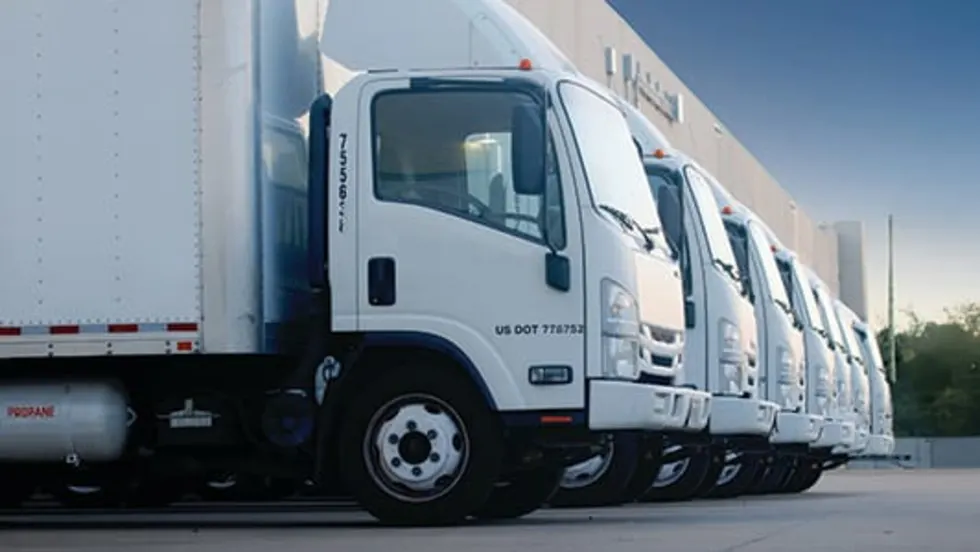
New Propane Autogas Program Offers Fleet Compensation
Qualified commercial fleets can receive $7,500 per eligible propane autogas vehicle and up to $10,000 for new refueling site prep. Learn how the program works and see whether your fleet qualifies.
Read More →
EV Charging Use Is Outpacing Infrastructure Growth
ChargePoint’s 2026 Charging Forward Report points to rising charger use, higher-powered charging, commercial vehicle electrification, and energy-management technology. Here’s what fleets should know.
Read More →
Merchants Fleet Reports 290M EV Miles as Fleets Navigate Changing Electrification Market
From millions in operating savings to hundreds of millions of EV miles, Merchants Fleet’s latest report reveals what’s working and what’s changing in fleet electrification.
Read More →
The EV Breakdown Nobody's Talking About: Why Most Electric Vehicle Roadside Calls Aren't Mechanical Failures
Here's why EV breakdowns are widely misunderstood.
Read More →
ChargePoint Now Available in Energy Pass
ChargePoint and additional planned charging network integrations were added to GM's Energy Pass.
Read More →

First Look: Slate Auto's Electric Fleet Pickup
Could an affordable, modular EV pickup make electrification more practical for fleets?
Read More →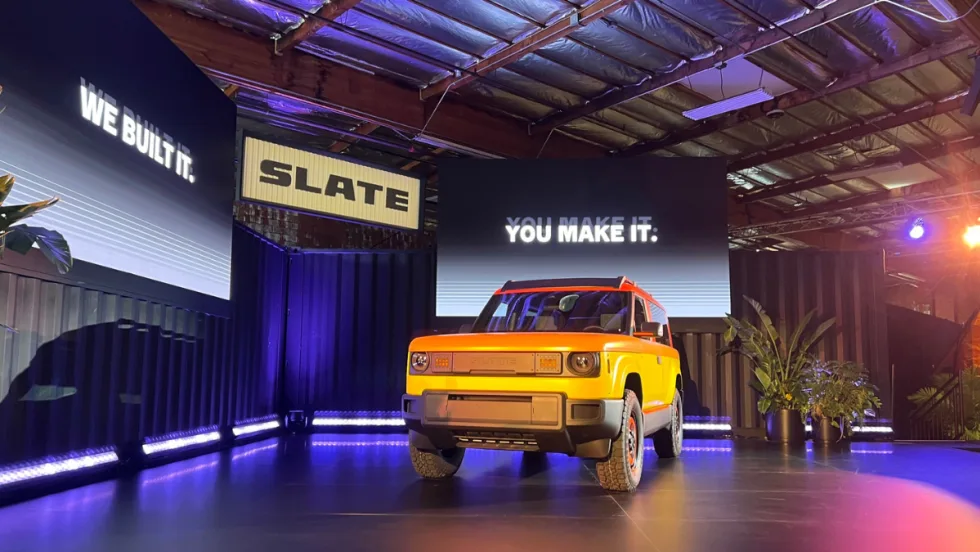
Slate Debuts Colorful, Unique EV Models
A recent media and client event, studded with electric vehicles dressed up on platforms, planted a new position for the manufacturer in the wider EV market. Fleets will find cost-saving advantages.
Read More →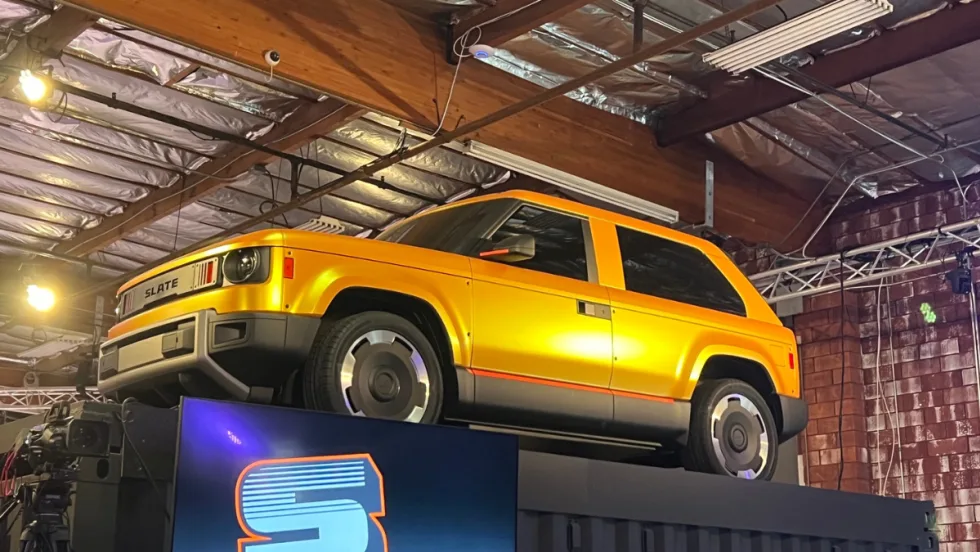
Slate Electric SUV, Pickup Switchable Model Aims For Light-Duty Fleets
Everything about this EV is counterintuitive and understated, making it stand out from the crowd.
Read More →
Inspiration Mobility Acquires Key Electrada Assets
Inspiration Mobility Group has acquired select assets of Electrada, adding the fleet electrification provider's team, technology, and charging infrastructure development capabilities to its energy management business.
Read More →