




Trump Executive Order Aims to Speed Infrastructure Projects
According to the White House, regulatory red tape routinely holds up major infrastructure projects for years at significant cost to the economy.
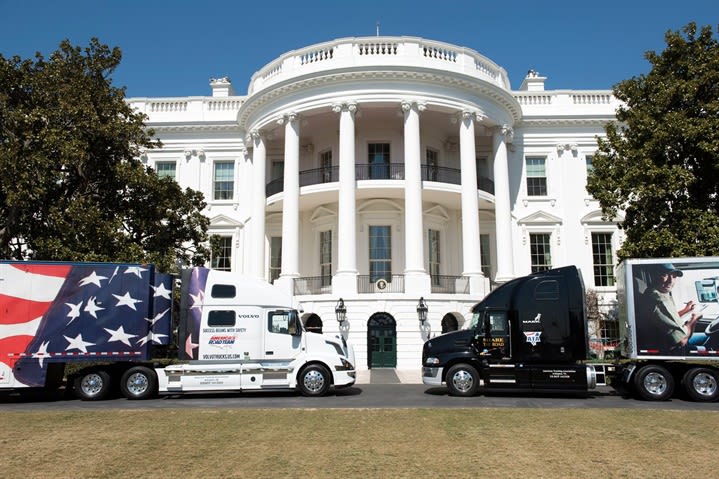
According to the White House, President Trump’s Executive Order will make the environmental and permitting processes needed for major infrastructure projects more efficient and effective. Photo: ATA
According to the White House, President Trump’s Executive Order will make the environmental and permitting processes needed for major infrastructure projects more efficient and effective. Photo: ATA
Somewhat lost in the turmoil of Wednesday’s contentious White House press conference was a new Executive Order issued by President Trump aimed at rebuilding the country’s deteriorating infrastructure. In a statement, the president said, “Crumbling infrastructure will be replaced with new roads, bridges, tunnels, airports, and railways gleaming across our very, very beautiful land.”
In keeping with President Trump’s campaign theme and promises, the White House said this latest Executive Order would curb or remove unnecessary red tape and a “fragmented, inefficient and unpredictable” system for environmental reviews. The infrastructure Executive Order will require agencies to track the costs of conducting environmental reviews and making permitting decisions.
According to the White House, regulatory red tape routinely holds up major infrastructure projects for years at significant cost to the economy. The White House cited a 2014 Government Accountability Office report saying it takes seven years on average for a complex highway project to go through the entire environmental review process.
The White House also noted findings by National Association of Environmental Professionals, which found a single agency can take 3.7 to 5 years on average to complete an environmental review. The new Executive Order establishes a two-year goal to process environmental documents for major infrastructure projects.
According to the White House, President Trump’s Executive Order will make the environmental and permitting processes needed for major infrastructure projects more efficient and effective. Rather than allow for a patchwork of agency reviews, the White House says this order implements a One Federal Decision policy under which the lead federal agency will work with other relevant federal agencies to complete the environmental reviews and permitting decisions needed for major infrastructure projects.
Each agency will sign a joint Record of Decision and all required federal permits will be issued 90 days later.
The entire environmental review and permitting process will be reviewed to improve performance across the government and hold every agency accountable. Key directives include:
The Council on Environmental Quality will develop and implement an action plan to improve environmental reviews government-wide.
The CEQ will mediate disagreements between federal agencies so a decision isn’t delayed amid bureaucratic disputes.
The Office of Management and Budget will develop a two-year Government-wide modernization goal and ensure federal agencies take meaningful steps to achieve it.
Agencies will modify their strategic plans to include agency-specific goals for improving environmental review and permitting processes, and hold their officials accountable.
OMB will establish a performance accountability system and score each agency on their implementation of the Executive Order. Poor performance will be considered in budget formulation and could result in the imposition of penalties.
Agencies will also be held accountable for implementing appropriate best practices that are proven to enhance the environmental review and permitting process.
The Executive Order makes clear that environmental protections will be maintained, and that the process should focus more on decision-making and good environmental outcomes rather than bureaucratic process.
Transportation Secretary Elaine Chao, who was present at the press conference, issued a statement saying the DOT is already putting the administration’s principles into action.
"We’ve identified more than two dozen policies and rules that will streamline project delivery and environmental permitting," Chao said. "We also launched our INFRA [Infrastructure For Rebuilding America] grant program to reflect the priorities outlined in the president’s infrastructure initiative, such as incorporating more funding from state, local and private partners, encouraging the use of innovative permitting authorities and bringing greater accountability into the process. Together, our goal is to ensure greater impact for every dollar spent, faster project delivery, better performance and a balanced approach that reaches the entire country, urban and rural alike.”
“Yesterday's announcements certainly can make it easier to improve our aging infrastructure, but only at the margins, said Darrin Roth, ATA vice president of highway policy. "What is required to make real progress in modernizing our roads and bridges is significant increases in investment and we are looking forward to working with Congress and the administration to secure funding to do just that.”
If a recent poll conducted by the Association of Equipment Manufacturers is any indication, President Trump’s move could prove to be a popular one. According to the poll, which surveyed 3,481 people from around the country, 89% believe infrastructure improvements would improve the economy, while 82% believe infrastructure investments would create more jobs.
More Operations
Here's When You Should Make an Exception to Fleet Policy
Fleet policies are designed to create consistency, but not every driver or situation fits neatly within standard rules.
Read More →
AI-Native or AI-Acquired: What Should Fleet Managers Look for in an AI Platform?
Six questions can help fleet managers look beyond AI marketing claims to evaluate integration, data access, and real-world operational performance.
Read More →
A buyer's guide to fleet management software in 2027
Buying fleet management software in 2027 means looking beyond features and price. As fleet operations, technology and expectations evolve, this guide explores what today’s fleet professionals should consider when choosing a system that can deliver value now and adapt to what comes next.
Read More →

What Will Shape the Next Era of Fleet Management?
EVs, AI, and autonomous vehicles are reshaping fleet management. Discover what’s ahead—and how fleet leaders can prepare for the next era.
Read More →
How Fleets Can Recruit and Train Veterans for Technician Roles
Here's how the technician shortage has affected uptime for fleets, and what to do about it.
Read More →
Avis Budget Group Deploys Neology Toll Management Technology Across Major Brands
Neology’s neoFleet platform will manage toll transactions and toll-authority operations for vehicles across Avis, Budget, Payless, Budget Truck and Zipcar.
Read More →
Fleet Personal-Use Charges Edge Higher in 2026
Nearly eight in 10 surveyed fleets allow personal use of company vehicles, while just over half of respondents report charging employees for the privilege.
Read More →
The Future of Fleet + What’s Changing Right Now | AF News Recap
Could developments overseas offer a preview of what’s coming for U.S. fleets? This week, we’re looking at the future of AI, autonomy, and electrification, plus Ford Pro’s new certified pre-owned program, smarter vehicle offboarding, and a new way for fleets to manage toll expenses.
Read More →
How to Handle Vehicle Offboarding
What do fleet managers need to do when a driver leaves?
Read More →
Fleet Manager’s Ultimate Playbook: Navigating the New Standard in OEM Connectivity
Rising operating costs, driver safety concerns, and unplanned downtime are putting unprecedented pressure on modern fleets. Discover how fleet managers use embedded OEM connectivity and real-time vehicle data to cut TCO, prevent downtime, and protect drivers without aftermarket telematics hardware.
Read More →