




BURNSVILLE, MN — To decrease the chances of automotive theft, a new automobile immobilizer system uses three radio frequency identification (RFID) readers to make it three-times harder for prospective thieves to start a car's engine, according to the magazine, RFID Journal. Released in December by Northland Auto Enterprises, Burnsville, Minn., the new system, named TheftStopper1, is being sold as an aftermarket device installed by car dealerships or independent auto mechanics. RFID security systems installed in new vehicles by car manufacturers have succeeded in reducing car thefts, according to statistics gathered by immobilizer manufacturers. These RFID security systems work by fitting a car's ignition key with a passive RFID transponder containing a unique ID code. Whenever the key is inserted into the ignition switch, it activates an RFID reader connected to a control module in the engine's central computer (which controls such things as the car's ignition and fuel systems) and is wired to an antenna built into the vehicle's steering column. The RFID reader generates a random number, which is transmitted to the key. The key's transponder combines the random number with its own unique serial number, encrypts the new number and transmits it back to the car's RFID reader. If the numbers don't match, the car won't start. Thieves, however, have found several ways around those systems, according to Dan Beach, director of new product development for C-Chip Technologies, a Montreal security systems provider that developed TheftStopper1. Some experienced thieves can locate the RFID unit, override it and drive away with the vehicle in a matter of minutes. Thieves can use a simple resistor to bypass some RFID security systems, while most factory-installed RFID immobilizers require the use of a module, in order to "talk" to the onboard computer, Beach says. Instead of using a passive RFID tag embedded in the ignition key, the TheftStopper1 system uses a key fob containing an active RFID transponder that transmits a signal containing a unique ID code over a distance of up to 20 feet. The key fob is comprised of a miniature OEM transmitter module powered by a small lithium button battery. TheftStopper1's three RFID readers each have a nanowatt microcontroller and relay. One of the RFID readers serves as the starter cutoff, or "mother," unit. The mother unit controls the power to the two other control units installed elsewhere in the car. Each of the other two units functions as a power switch to a different part of the car, such as the fuel pump, ignition circuit, computer, or transmission relay. When equipped with TheftStopper1, a car won't start unless all three control units receive a signal from a key fob containing the correct ID code. Because the key fob's active transponder can transmit its signal over a distance of 20 feet, the mother unit communicates with the key fob, well before the driver even starts the vehicle, and verifies that the key fob's ID code matches the one programmed in the mother unit. When the driver turns the ignition switch, a second connection is made between the mother unit and the two other units and the engine starts. Without the key fob's transponder, none of the three cut-off switches will allow electric current to flow to their respective devices (the car's fuel pump, ignition circuit, computer or transmission relay). For that reason, a thief who manages to hotwire one cut-off switch and thereby override it, will still not be able to start the car. That's because the two other units will still lock down the engine without a signal from the proper key fob or the mother unit. The additional time necessary to locate and bypass all three units will be enough to discourage most thieves, says Allen Lentsch, CEO and president of Northland Dealers. Lentsch admits, however, that a thief who succeeded in overriding all three control units could start the car. If they lose their key fob, car owners can always start their car as long as they know the code for the TheftStopper1 system installed in their vehicle. Each TheftStopper1 system comes with a "bypass card" printed with the system code. The driver can enter the code by turning the ignition switch from the "off" position to the "accessory" position and back to "off," in response to beeps coming from the mother reader module. Once the code is properly entered, the driver has the option to allow up to 10 authorized starts for servicing purposes. Car dealers throughout the United States have already deployed Theftstopper1, according to Lentsch, who hopes to sell the system also to automotive stores. The system retails at $279 and installation will cost between $35 and $75, Lentsch estimates. Most car owners would not be able to install it themselves.
Triple RFID Immbolizer Protection to Thwart Vehicle Thieves
BURNSVILLE, MN — To decrease the chances of automotive theft, a new automobile immobilizer system uses three radio frequency identification (RFID) readers to make it three-times harder for prospective thieves to start a car's engine, according to the magazine, RFID Journal.
More Operations
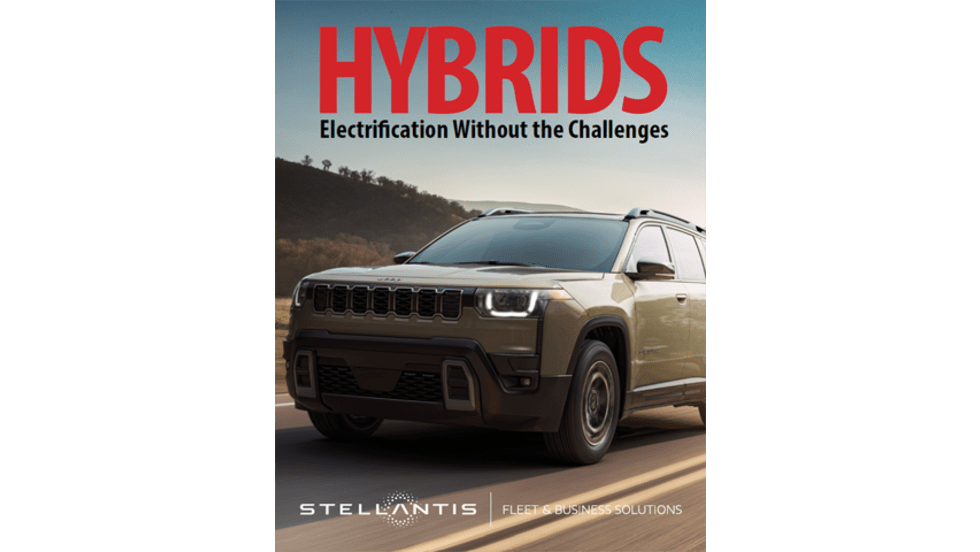
Hybrids: Electrification Without the Challenges
For fleet managers, fuel is one of the biggest line items in the budget — and it's one hybrids can shrink without changing how your people work. Download the eBook to see the numbers, understand the technology, and get a step-by-step guide to making the switch.
Read More →
How NOV Uses Telematics to Improve Fleet Safety Across 160 Locations
James Victory of NOV discusses how the company manages fleet safety, maintenance, and telematics across more than 150 locations supporting oilfield operations throughout the U.S.
Read More →
Fleet Meets: Steven Santostasi
This edition of the Fleet Meets series features Steven Santostasi, the current TSP channel manager for Ford Pro.
Read More →
Why Fleet Managers Are Replacing Departmental Vehicles with Shared Motor Pools
Departmentally assigned vehicles often create hidden costs through underutilization, poor visibility, and increased administrative burden. This white paper explores how shared motor pool strategies help fleets reduce costs, improve accountability, and optimize vehicle utilization.
Read More →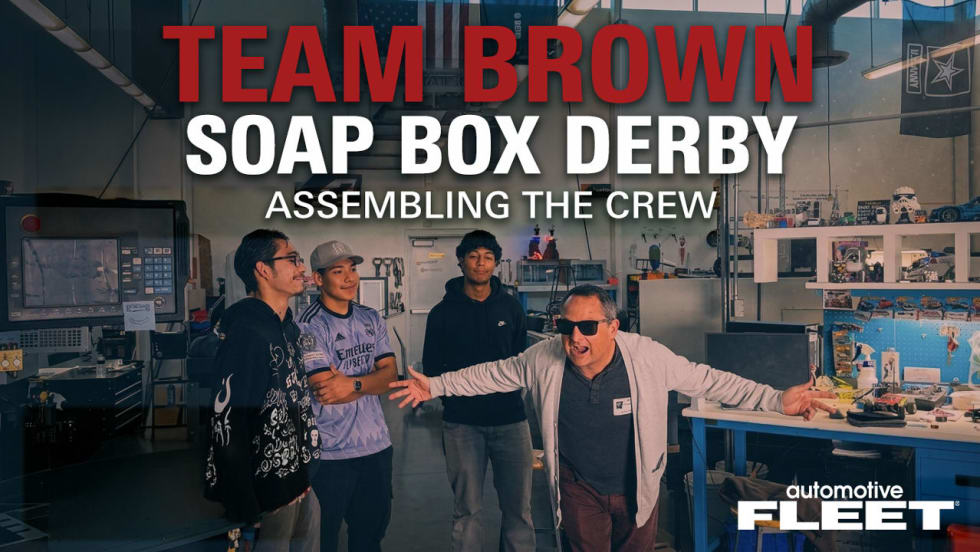
Soap Box Derby Challenge: Assembling the Crew
Meet Gabriel, Matthew, and Angel — the team helping bring this soap box derby build to life.
Read More →
BBL Fleet Acquires Velcor Leasing Corporation
BBL Fleet expanded its footprint in the fleet management industry with the acquisition of Velcor Leasing Corporation of Madison through a stock purchase agreement finalized Feb. 27, 2026.
Read More →
Lytx Introduces New AI Fleet Technologies at Protect 2026
The company introduced new AI-driven fleet safety and operations technologies during its annual user conference.
Read More →
Fleet Costs Are Rising: Here’s How Leaders Are Responding
Fleet leaders are under pressure to reduce costs, adapt to economic uncertainty, and make smarter decisions. See how peers across North America are responding with real data, proven strategies, and forward-looking insights. Download the 2026 Market Pulse Report to benchmark your strategy and uncover where you can gain an edge.
Read More →
From Waffle House to AI: Fleet Trends You Need to Know
In this AF news recap, host Faith Howell covers how Waffle House stepped up during disaster response and new AI tech on the market.
Read More →
Fleet Operations in the Age of AI: Navigating Ethical and Legal Challenges
AI is no longer a future concept for fleets—it’s already embedded in the tools, data, and decisions that operators rely on every day. In this episode of the Fleet Forward Podcast, recorded live at Fleet Forward, industry leaders take the conversation beyond hype to examine what responsible AI adoption really looks like in fleet operations.
Read More →