





Related: Ford Recalls F-Series for Engine Block Heater Cable
Trio of Ford Recalls Includes F-150, Super Duty
Ford Motor Co. is recalling 168,055 2019 and 2020 F-150 pickups for a battery terminal fastener, 100,375 Super Duty pickups for LED headlamps, and 59,664 2016 and 2017 Lincoln MKX SUVs for a battery cable.
November 15, 2019
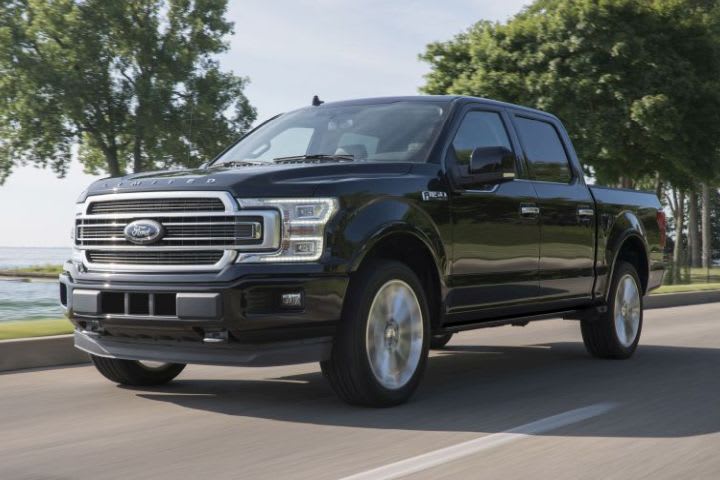
Ford is recalling its F-150 (2019 Limited model shown), Super Duty pickups, and Lincoln MKX crossover for three separate issues.
Photo courtesy of Ford.
2 min to read
Ford Motor Co. is recalling 168,055 2019 and 2020 F-150 pickups for a battery terminal fastener, 100,375 Super Duty pickups for LED headlamps, and 59,664 2016 and 2017 Lincoln MKX SUVs for a battery cable, the company announced.
The manufacturer is not aware of any accidents or injuries related to any of the three issues.
The F-150 pickups may have an improperly secured positive battery-terminal fastener due to eyelet adhesive. An attachment that is not secure can cause intermittent or inoperative vehicle systems, which may affect the instrument panel display, braking or steering assist systems, or cause the engine to stall. This scenario can also create a resistive short, which increases the potential for smoke, melting or fire.
To fix the problem, dealers will inspect the positive battery cable joint for excess sealant adhesive. If present, dealers will remove the excess adhesive, reassemble the joint and torque the fastener to specification.
Affected vehicles were built at the Dearborn Truck Plant between July 15 and Oct. 1 and at the Kansas City Assembly Plant between June 24 and Oct. 1. Ford's reference number for this recall is 19S40.
The F-Series Super Duty trucks have LED headlamps that may not function properly. Specifically, an incorrectly configured body control module may be controlling the high-series daytime running lamps. This means that when they are illuminated and the master lighting switch is moved to the low-beam position, the daytime running lamps do not revert to parking lamp intensity.
To fix the problem, dealers will update the body control module.
Affected vehicles were built at Kentucky Truck Plant. Specifically, 2018 models were built between May 1, 2017 and July 13, 2018; 2019 models were built from March 5, 2018 to Oct. 8, 2019. Ford's reference number for this recall is 19C10.
The Lincoln MKX SUVs with 3.7-liter engines may have a battery cable issue. Specifically, the battery cable may have substandard clearance, which could allow the harness to contact the transmission shifter cable bracket. This scenario could cause the insulation of the cable to wear down, resulting in the cable shorting ground, which increases the likelihood of overheated or melted wiring as well are fire.
To remedy the matter, dealers will remove the four battery harness clips at the battery tray and one elbow guide, then install a wire channel shield and protective sleeve to the battery cable harness.
Ford is aware of three vehicle fires that may be related to this issue.
Vehicles under this recall were built at Oakville Assembly Plant from Nov. 12, 2014 to Sept. 11, 2017. Ford's reference number for this recall is 19S41.
More Safety

Nexar-Nauto Merger Aims to Give Fleets Better Safety Intelligence Through Larger Driving Dataset
Stefan Heck tells Automotive Fleet that combining more than 10 billion miles of driving history with Nexar's AI models will give fleets deeper insights into driver risk and roadway conditions than either company could provide independently.
Read More →
Don't Wait for a Crisis: 5 Ways to Build Mental Health Into Your Fleet Safety Program
For Suicide Prevention Month, fleet and safety leaders have an opportunity to put mental health where it belongs: at the center of workplace safety.
Read More →
How Camera Data Can Strengthen a Fleet’s Insurance Renewal
Insights from a commercial insurance carrier and a broker show how fleets can turn video telematic data, driver coaching, and improved claims results into a stronger case at insurance renewal.
Read More →
The Safest Fleets Aren’t the Ones with the Most Technology
You’ve made the telematics investment. Here’s how to capture the other half of its value and build the safest fleet on the road.
Read More →
Sponsored•August 7, 2026
Hidden in Plain Sight: Fleet Compliance Risks
Fleet compliance isn't just about having policies — it's about consistently enforcing them. This practical guide reveals six hidden compliance risks common in public sector and shared fleet operations and outlines proven strategies to improve visibility, accountability, and audit readiness
Read More →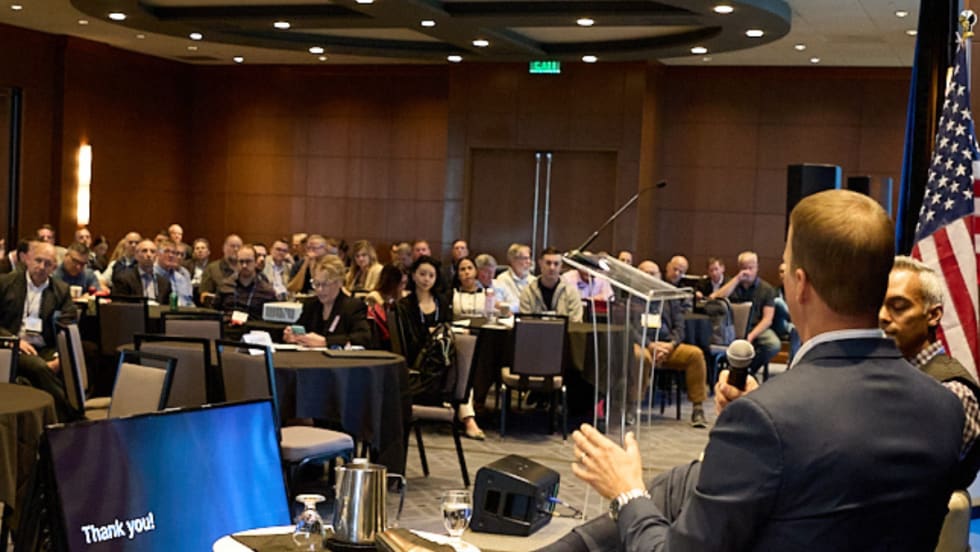
NETS Sets 2026 Fleet Safety Benchmark Conference for Indianapolis
The Sept. 15–17 program will feature fleet benchmarking data, case studies, emerging technologies, and implementation strategies while running alongside the NSC Safety Congress & Expo.
Read More →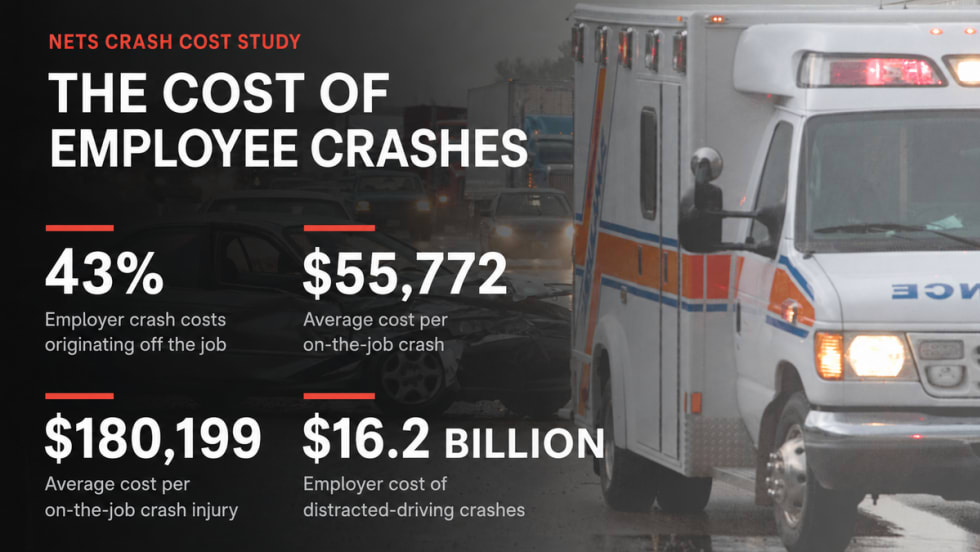
Off-the-Job Crashes Account for 43% of Employers’ $61.7 Billion Crash Burden
NETS quantifies costs dispersed across fleet, risk, HR, and other departments while providing new per-crash benchmarks for employers.
Read More →
Ram Recalls More Than 1.27 Million 1500 Pickups for Seat Belt Anchor Issue
The recall affects certain 2019-2026 Ram 1500 pickups that may have improperly attached second-row seat belt buckle anchors.
Read More →
Sponsored•July 17, 2026
How Better Visibility Cut Speeding Violations by 48%
Fleet leaders don't need more data, they need clearer visibility into what the data is saying. This case study explores how one utility replaced speeding-event counts with a single metric — miles driven in violation — to strengthen safety and significantly reduce speeding violations.
Read More →
Operation Safe Driver Week: Why the Industry's Oldest Safety Campaign Still Matters to Fleets
A look at how a 2007 enforcement initiative became one of the most consequential weeks on the fleet safety calendar, and what it means for your drivers in 2026.
Read More →