




Related: Tritium Unveils Scalable Electric Vehicle Charging Platform
Transportation Leaders Launch Zero Emission Transportation Association
ZETA is the first industry coalition of its kind calling for an accelerated transition to EVs, which will create hundreds of thousands of new jobs, secure American global EV manufacturing leadership, dramatically improve public health and significantly reduce carbon pollution.
by Staff
November 19, 2020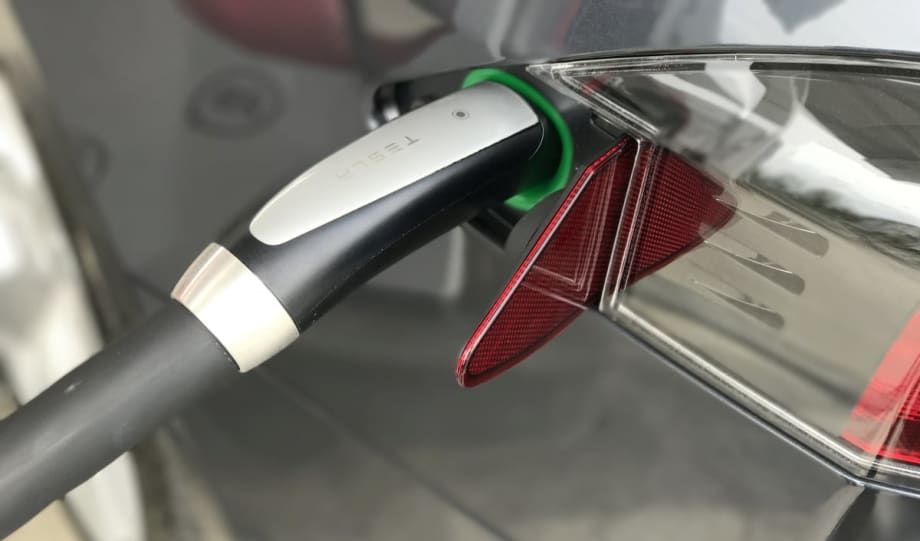
The ZETA Education Fund, an affiliated group focused on educating the public on the environmental and social benefits and opportunities associated with broad EV adoption, will launch concurrently.
Photo by Eric Gandarilla.
3 min to read
Yesterday, 28 businesses — which employ hundreds of thousands of workers across all 50 states — launched the Zero Emission Transportation Association (ZETA), a new organization advocating for national policies that will enable 100% electric vehicle (EV) sales throughout the light-, medium-, and heavy-duty sectors by 2030.
ZETA is the first industry coalition of its kind calling for an accelerated transition to EVs, which will create hundreds of thousands of new jobs, secure American global EV manufacturing leadership, dramatically improve public health and significantly reduce carbon pollution.
"For the first time in a generation, transportation is the leading emitter of U.S. carbon emissions. By embracing EVs, federal policymakers can help drive innovation, create hundreds of thousands of new jobs and improve air quality and public health," Joe Britton, executive director of ZETA, said in a statement. "ZETA's formation recognizes a pivotal moment for national leadership and reflects the will of the growing clean transportation sector."
"The next decade will be critical in implementing federal policies that accelerate the transition to zero emissions vehicles and help address these problems head-on. The clean vehicle sector already boasts hundreds of thousands of jobs but, if we encourage its growth, the United States can decisively win the global race to develop a new clean transportation economy and employ hundreds of thousands of Americans right here at home."
Specifically, ZETA is calling for five key policy pillars that can, in aggregate, put the United States on the pathway to full EV adoption by 2030:
Outcome-driven consumer EV incentives. Point-of-sale consumer incentives drive adoption, provide cost reductions and achieve real results in pushing transportation electrification. In addition, incentivizing early retirements while encouraging EV adoption will speed the transition and meet the urgency of the moment.
Emissions/performance standards enabling full electrification by 2030. Emission targets are a key piece of protecting public health and sending the correct market signals to support and accelerate the transition to zero emission transportation.
Infrastructure investments. Strong federal charging infrastructure investments will drive the electric transportation transition and ensure that the United States is leading the way in a clean recovery where everyone is better off.
Domestic manufacturing. We should not only accelerate U.S. transportation electrification, but also work to ensure that we secure domestic economic growth and leadership in EV manufacturing. Federal policies must encourage job creation and economic activity across the entire EV supply chain and lifecycle, from critical materials to vehicles.
Federal leadership and cooperation with sub-national entities. Federal support should invest in research and development, provide an aligned vision for electrification, and ensure local leaders are empowered with the expertise and resources to support full vehicle electrification.
The ZETA Education Fund, an affiliated group focused on educating the public on the environmental and social benefits and opportunities associated with broad EV adoption, will launch concurrently.
More Fleet Forward

Chad Edmondson Named 2026 Fleet Safety Award Winner
The VSC Fire & Security fleet director oversees more than 1,100 assets nationwide. His approach to improving driver safety emphasizes collaboration, employee engagement, and building trust with the people behind the wheel.
Read More →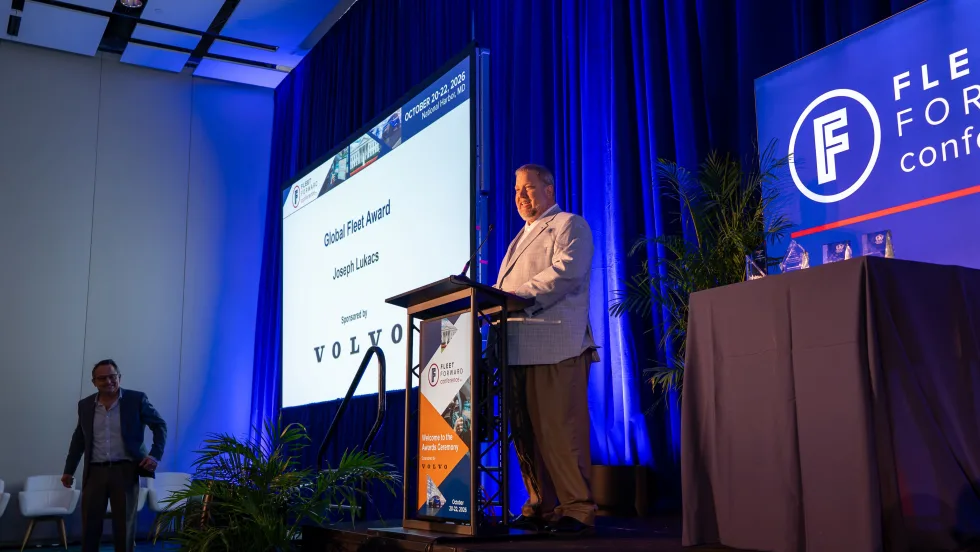
Joseph Lukacs Wins 2026 Global Fleet Manager of the Year
The Sherwin-Williams fleet leader adds another industry honor to his career after being named the 2025 Edward J. Bobit Professional Fleet Manager of the Year.
Read More →

Erin Gilchrist Receives Mike Antich Spirit of Fleet Award
Last week at AFLA in Vegas, Erin Gilchrist received the inaugural, brand-new Spirit of Fleet Award.
Read More →
Dominika Leja Named the 2026 Fleet Manager of the Year
The AstraZeneca associate director of fleet was recognized for her leadership in fleet electrification, cost savings, and operational transformation.
Read More →
Jamie McKay Named the 2026 Fleet Visionary Award Winner
The Aptive Pest Control fleet manager was recognized for her approach to operations, data, lifecycle management, and driver needs.
Read More →
Fleet Forward Conference Introduces One-Day Passes for 2026
New one-day registration gives fleet professionals the flexibility to attend Tuesday, Wednesday, or Thursday, with passes available for $199 through Sept. 18.
Read More →
Vibe Coding: When Fleet Managers Become Software Builders
Five fleet professionals — none with programming skills — discuss how they’re using AI to build fleet solutions in-house and in a fraction of the time.
Read More →
Fleet Forward Conference Tackles Fleet Industry’s Growing Leadership Gap
This session will examine succession planning, knowledge transfer, and the skills the next generation of fleet leaders will need as veteran professionals leave the industry.
Read More →
2026 Fleet Manager of the Year Finalists Announced
Who are the 2026 Fleet Manager of the Year finalists?
Read More →