




Transportation Dept. Calls for Safety Test Improvements
WASHINGTON, D.C. --- The U.S. Department of Transportation today called on automakers, safety advocates and consumers to help the federal government develop a more effective five-star safety rating program aimed at helping consumers decide which vehicles to buy.
WASHINGTON, D.C. --- The U.S. Department of Transportation today called on automakers, safety advocates and consumers to help the federal government develop a more effective five-star safety rating program aimed at helping consumers decide which vehicles to buy. Transportation Secretary Mary Peters and National Highway Traffic Safety Administration (NHTSA) Administrator Nicole Nason today kicked off a day-long public meeting on proposed improvements to the New Car Assessment Program (NCAP) used to develop the government’s five-star safety ratings, and urged the public to offer suggestions on ways to improve the program by April 10. Peters asked for ideas on the best way to improve the current front, side and rollover tests conducted by NCAP. She also asked for advice on whether the department's proposed enhancements, including adding upper leg injuries to its frontal crash tests and head injuries to its side crash tests, would raise the bar on safety. Moreover, Peters solicited advice on the best way to include ratings for proven crash avoidance technologies such as electronic stability control, and those emerging ones like lane-departure and rear-collision avoidance. "While we have made some strong and sweeping recommendations for strengthening this system, we know that we don't have a monopoly on good ideas," Peters said. "When it comes to saving lives and preventing injuries, there is always room for improvement. Strengthening and improving the current five-star program will help us continue to give consumers the most up-to-date and useful information about the safety of the vehicles they are considering." For close to 30 years the NCAP has been providing consumers with information on the safety performance of vehicles sold in America. However, Peters noted, vehicles tested 10, 20 and 30 years ago are vastly different than today's improved fleet. As technology has reshaped vehicle performance and safety, it has also reshaped driving habits and the public's expectations for staying safe on the road. "The time has come to rethink our approach to testing the safety of vehicles in this country," Peters said. "As more safety technologies appear in our vehicles, our programs and procedures must be flexible to accommodate those advancements," added Nason. "These new innovations have the potential to save thousands of lives, and we must never become complacent when it comes to that." The public comment period for the proposed changes to the current NCAP program, which began in January 2007 when Peters visited the North American International Auto Show in Detroit, will close on April 10. NHTSA said it will begin to assess the comments and hopes to establish the proposed changes soon after.
More Safety

Nominations Open for 2026 Fleet Safety Award
Nominations have officially opened for the 2026 Fleet Safety Award Winner.
Read More →
Turning Connected Vehicle Data Into Decisions That Matter
Fleet leaders have more data than ever, but turning that data into clear, actionable decisions remains a challenge. This white paper shows how leading organizations are using connected vehicle data to improve safety, reduce costs, and optimize fleet performance. Learn how to turn insight into action across your fleet.
Read More →
Cameras, Safety and Insurance: From Reactive Claims to Real-time Prevention
Commercial auto remains one of the most challenging and costly lines of coverage for fleet operators and insurers alike. Learn more about how to effectively address these issues from Onur Aksan, Enterprise Business Development Executive, Geotab.
Read More →
NAFA Fleet Safety Symposium to Collocate With 2026 Fleet Forward Conference
The daylong certificate program will precede the Fleet Forward Conference at the Gaylord National Harbor in Maryland.
Read More →
The Distractions You Can’t Turn Off: What Drivers Face Outside the Vehicle
Fleet drivers face constant visual, cognitive, and environmental interruptions the moment they hit the road. From roadside chaos to mental fatigue and digital overload, today’s biggest driving risks often come from outside the vehicle itself.
Read More →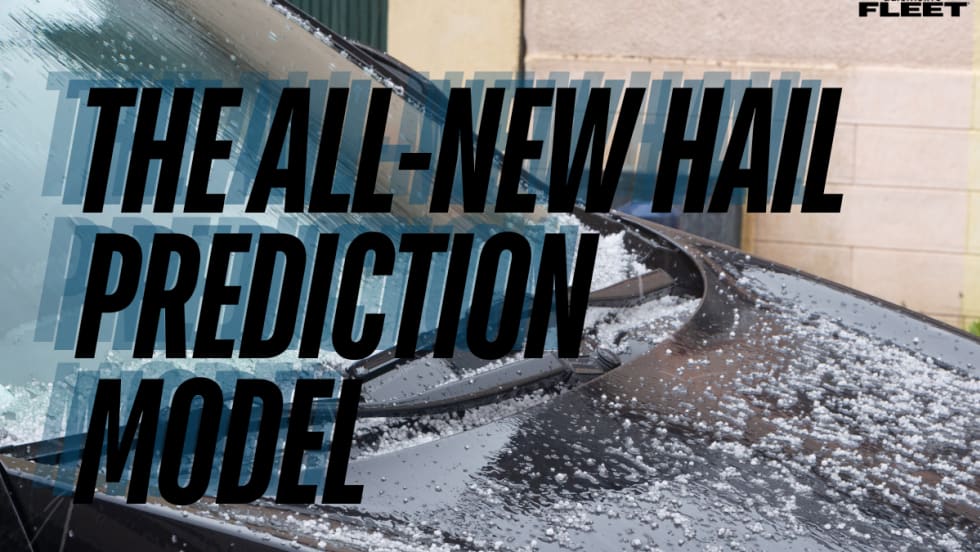
FLASH Weather AI Launches First Deep-Learning Hail Prediction Model With High-Resolution Forecasting
FLASH Weather AI has launched a first-of-its-kind hail prediction model capable of forecasting hail size and arrival time at 1-kilometer resolution up to 55 minutes ahead, giving fleets and insurers critical time to prepare for severe storms.
Read More →
How Coca-Cola United Protects Its Fleet from Growing Legal Risk
As litigation risk rises, vehicles are increasingly targeted. This Coca-Cola bottler shares how it’s reducing exposure through driver training, technology, and a proactive risk management approach.
Read More →
How to Speak the Same Language on Fleet Safety
Drivers, supervisors, and data often speak different safety “languages.” Getting on the same page will drive better results.
Read More →
Fleet Cybersecurity 101: What You Need from Your Technology Vendors
From identity management to third-party certifications, the right technology partner should make security easier to manage. Here are the three building blocks that fleet managers need to stay in control as connected systems scale.
Read More →
Reducing Risk by Eliminating Phone Use Behind the Wheel
Distracted driving remains one of the most persistent risks in fleet operations. New approaches focus on removing mobile device use entirely while adding real-time safety support.
Read More →