




Toyota’s New Head of Fleet Sales Says Company Is Focusing on Commercial Segment in 2012
TORRANCE, CA - Automotive Fleet interviewed Dave Depew about his background and Toyota’s renewed focus on the fleet segment.
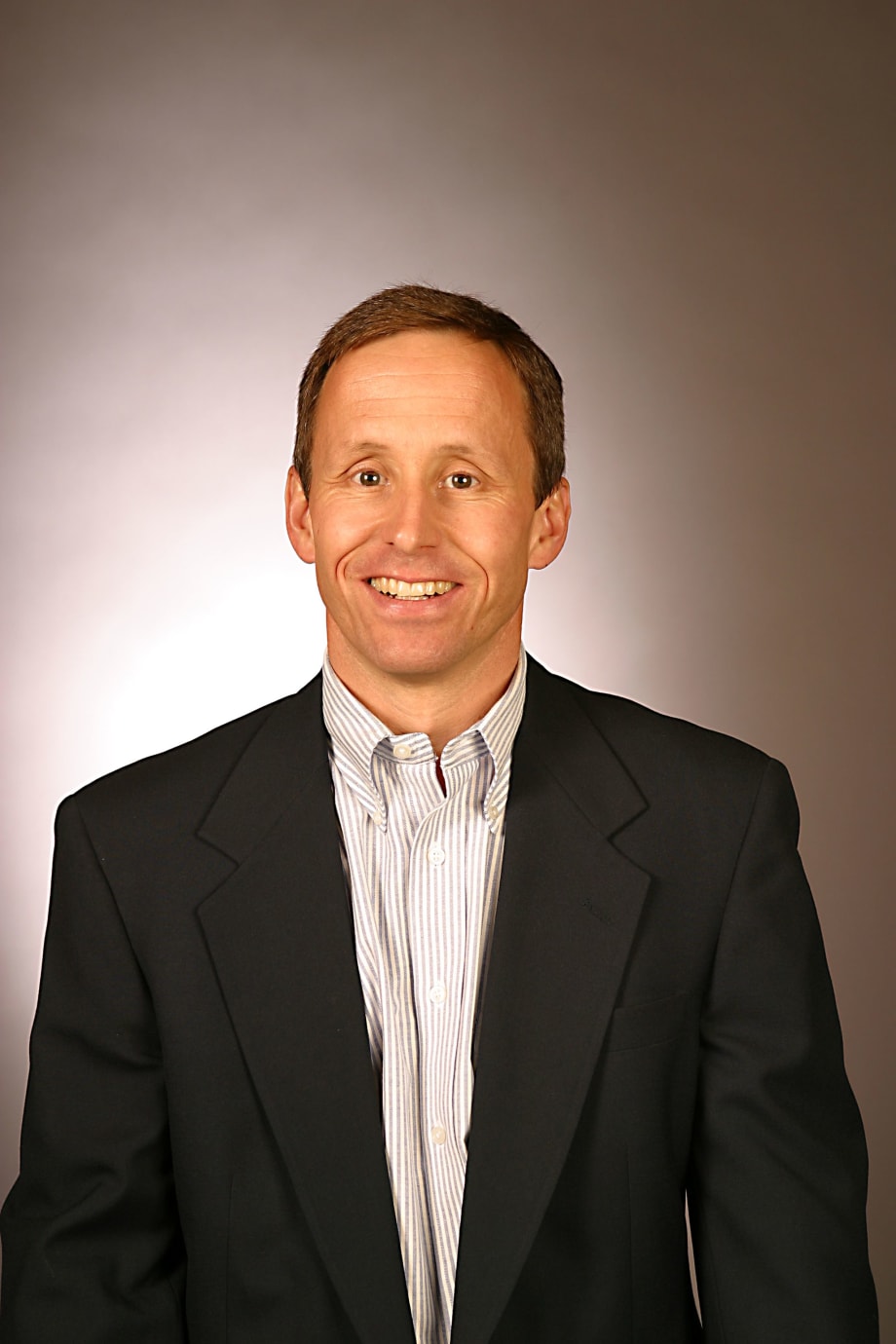
Dave Depew, Corporate Manager Fleet/TRAC/TCUV.
Dave Depew, Corporate Manager Fleet/TRAC/TCUV.
TORRANCE, CA – Late last year, Toyota announced that Dave Depew took on the role of the company’s new Corporate Manager - Fleet/TRAC/TCUV, after Scott Heyer left the position for a new role in the automaker’s retail sales division. Automotive Fleet interviewed Depew about his background and Toyota’s renewed focus on the fleet segment.
AF: What kind of background do you have in the fleet marketplace?
Depew: I got this position about 90 days ago [Ed note: as of February, 2012]. Prior to that, here at our corporate headquarters in Southern California, I worked at our distribution operations. That involved working with our North American manufacturing partners, with Toyota in Japan, matching supply and demand, and all the idiosyncrasies that go along with that.
I think that gives me a good, working nuts and bolts background as to what goes on in manufacturing and what it takes to bring vehicles to fleets. Most of the rest of my career I’ve been with the Toyota or Lexus field organizations.
I don’t have any direct fleet experience, per se. But it’s always been at arm’s length. Part of what I’m doing is learning. At Toyota we are fortunate to have a strong fleet team here in Southern California, and our private distributors, SET and GST, have great teams that deal with our fleet accounts. I’m not working to try to change the world; I’m trying to leverage what’s already here.
AF: How did the earthquake and tsunami in Japan, followed by flooding in Thailand, affect Toyota’s efforts in the fleet market?
Depew: The focus in 2011 started off with the recovery from the safety recalls. Toyota had put the safety recalls behind us, then March 2011 happened and that really limited Toyota’s ability to participate in the commercial market.
Even in 2008, when the economic crisis started, Toyota had to do some unprecedented things like close down North American production plants, which it had never done before. That rolled into the earthquake and tsunami, which was followed by the flooding in Thailand, though that situation didn’t have the same impact.
The message we are reinforcing right now is that Toyota is back, from a production perspective, from a new product cadence and desire to grow, not only on the retail side but also certainly in the commercial fleet market. After what our partners have been through with us over the last few years, moving from one crisis to the next, to the point that we stopped fleet production, to support retail sales, now we can say that Toyota is back and has the production capacity. A year ago we couldn’t make many of the selector lists because we didn’t know what the production situation was.
AF: Related to Toyota’s recovery from production shutdowns, what are the company’s order-to-delivery times like now? What is the company doing in terms of outreach in the commercial segment?
Depew: Obviously the supply interruptions did lengthen our OTD times, but mostly from Japan. The OTD times didn’t suffer. It’s at about 50 days, give or take, depending on the source of production.
I’ve met with half a dozen of the FMCs to reinforce that message and to listen to them to find out what Toyota needs to do in the marketplace to get on selector lists. Toyota was its own worst enemy the last couple of years, unfortunately. We know we need to do a better job. That’s where my distribution background will help.
AF: Which vehicles is Toyota focusing on in the non-rental fleet segment, either to corporate or government accounts, in 2012? Of those, which are currently available and which will be available later in the year?
Depew: We’re focusing on the Camry, the gas and hybrid versions, core vehicles in the commercial lineup. We’re also focusing on our hybrid lineup, the Prius, the Prius V, and the Prius c, which will launch next month and the plug-in hybrid. We’re trying to leverage our advanced technology, because Toyota offers the broadest lineup of hybrids.
The Prius V has had a very favorable reception. The Camry, both gas and hybrid, have been very well received by fleet customers. They like the ride quality and fuel economy.
AF: Given that these vehicles are hybrids, is that where Toyota continues to focus with regard to powertrain technologies?
Depew: Hybrid technology is where we have played most of our cards. The plug-in Prius is out. Other examples of our powertrain technologies include the iQ EV, and the RAV4 EV, a result of Toyota’s collaboration with Tesla. There are some additional advanced technologies down the road, for example a fuel-cell hybrid that Toyota will be bringing to market. It has a 400-plus mile range.
AF: Did Toyota start working with any new fleet customers recently?
Depew: We picked up a number of customers, mostly smaller- to mid-size fleets.
AF: Where does Toyota see opportunity in the commercial fleet segment?
Depew: The opportunity is the pickup segment for the Tacoma with the Ford Ranger going out of production. There are companies that will move up with a full-sized pickup, but there’s still demand for that type of vehicle. We should see growth there.
AF: What’s the overall focus for Toyota in the commercial fleet segment now?
Depew: We want to grow our commercial business. There is good fleet and better fleet, and we want to do a better job in the commercial segment. This year is an investment in that segment that will pay dividends down the road.
By Greg Basich
More Operations

Avis Budget Group Deploys Neology Toll Management Technology Across Major Brands
Neology’s neoFleet platform will manage toll transactions and toll-authority operations for vehicles across Avis, Budget, Payless, Budget Truck and Zipcar.
Read More →
Fleet Personal-Use Charges Edge Higher in 2026
Nearly eight in 10 surveyed fleets allow personal use of company vehicles, while just over half of respondents report charging employees for the privilege.
Read More →
The Future of Fleet + What’s Changing Right Now | AF News Recap
Could developments overseas offer a preview of what’s coming for U.S. fleets? This week, we’re looking at the future of AI, autonomy, and electrification, plus Ford Pro’s new certified pre-owned program, smarter vehicle offboarding, and a new way for fleets to manage toll expenses.
Read More →
How to Handle Vehicle Offboarding
What do fleet managers need to do when a driver leaves?
Read More →
Fleet Manager’s Ultimate Playbook: Navigating the New Standard in OEM Connectivity
Rising operating costs, driver safety concerns, and unplanned downtime are putting unprecedented pressure on modern fleets. Discover how fleet managers use embedded OEM connectivity and real-time vehicle data to cut TCO, prevent downtime, and protect drivers without aftermarket telematics hardware.
Read More →
U.S. Bank Adds Verra Mobility Toll Management to Voyager Fleet Platform
The integration allows U.S. Bank Voyager fleet customers to manage toll payments and violations alongside fuel, EV charging and maintenance expenses.
Read More →
ADAS Prevents Crashes. But Repairs Cost More | AF News Recap
ADAS-equipped vehicles may crash less often, but they can cost more when they do. This week, we’re breaking down what that tradeoff means for fleets, plus Subaru’s first Forester Wilderness Hybrid, Nissan’s new e-POWER Rogue, and why Calstart has become Catalyst Mobility.
Read More →
Moventum Fleet Management Names Mark Iorillo Head of Sales
Iorillo brings nearly 20 years of fleet management and sales experience to the role, including previous positions at Element Fleet Management, CEI, Donlen and Ryder.
Read More →
Fleet Has a Talent Pipeline Problem. What Comes Next? | AF News Recap
Where will fleet’s next generation of leaders come from? This week, we’re looking at the industry’s talent pipeline, what certification can add to a fleet career, how to build an award-worthy track record, and the return of Automotive Fleet’s Personal Use Survey.
Read More →
Smith System Launches Driver Risk Management Program
Fleets have more driver data than ever, but identifying risky behavior doesn't necessarily correct it. Smith System's new Driver Risk Management program combines monitoring, training, and follow-up coaching to help fleets connect risk signals with driver intervention.
Read More →