




Toyota’s Lentz Explains Company’s Approach to Meeting Upcoming Fuel Economy and Safety Regulations
TRAVERSE CITY, MI – Toyota’s U.S. division President and CEO Jim Lentz gave a presentation at the Center for Automotive Research’s Briefing Center on August 8 about the company’s outlook on the auto industry, such as upcoming fuel-economy and potential safety regulations, and how it plans to meet those challenges.
TRAVERSE CITY, MI – Toyota’s U.S. division President and CEO Jim Lentz gave a presentation at the Center for Automotive Research’s Briefing Center on August 8 about the company’s outlook on the auto industry, such as upcoming fuel-economy and potential safety regulations, and how it plans to meet those challenges.
To start, Lentz began his speech by outlining the current opportunities he sees for Toyota, including the high average age of vehicles on the road, strong U.S. population growth, available credit to buy cars, and high used-car prices. Next, he covered the big challenges he foresees, meeting government regulations and getting Gen Y excited about cars (Toyota’s approach to Gen Y sales focuses on alt-fuel vehicles).
In discussing regulations, Lentz said Toyota is approaching meeting upcoming CAFE standards by working with industry partners rather than going it alone, citing partnerships with Ford on hybrids for trucks and SUVs, with Tesla on EVs, and with BMW on diesels, hybrids, electric drive, fuel cells, lightweight materials, and other technologies.
In light of these partnerships, Lentz said Toyota is developing a lineup that includes lighter conventional cars with more efficient gasoline engines, more hybrids and plug-in hybrids, pure-electric vehicles, and advanced batteries that exceed current lithium-ion battery performance. Lentz added that the company plans to introduce a hydrogen fuel-cell sedan in 2015.
Next, to help prevent distracted driving, which Lentz noted has been a major focus of the National Highway Traffic Safety Administration (NHTSA) and that the company must work with that organization to develop distracted driving regulations. He went on to explain that Toyota has developed multimedia systems that allow drivers to stay connected while keeping their hands on the steering wheel and eyes on the road. He also said Toyota has partnered with Intel to develop better in-car touch, gesture, and voice technologies that help reduce driver distraction. Lentz then added that the company has established the Collaborative Safety Research Center in Ann Arbor, Mich., to study and share ways to reduce traffic injuries and fatalities in the U.S.
In terms of other projects related to preventing distracted driving, Lentz said Toyota is working with MIT’s AgeLab to study how in-vehicle voice command systems could affect driver distraction levels, and with Wayne State University School of Medicine to better understand driver behavior and distraction.
Although consumer sales don’t relate to fleet, Toyota’s approach to selling to Gen Y would be of interest to fleets that have to either meet sustainability goals or are looking for a broader range of alt-fuel vehicles. First, Lentz said that based on its surveys, Gen Y wants environmentally friendly vehicles. Lentz also noted that the oldest members of Gen Y are now in their 30s, starting families, and are returning to the automotive market. To meet that need, Toyota said it broadened its Prius offerings with the v, c, and plug-in. Next, he noted that Lexus will be introducing an all-new hybrid version of its ES sedan. Lastly, he mentioned the recently announced Avalon Hybrid.
Lentz closed his talk by asking those in the auto industry to work together.
“My friends, great days ARE ahead for us, but we have to overcome substantial challenges,” he said. “So today, I’m asking everyone in this room to start thinking and working as a team. That’s vital because we are all part of a dynamic business sector that is essential to the health of the U.S. economy.”
By Greg Basich
More Green Fleet

Merchants Fleet Reports 290M EV Miles as Fleets Navigate Changing Electrification Market
From millions in operating savings to hundreds of millions of EV miles, Merchants Fleet’s latest report reveals what’s working and what’s changing in fleet electrification.
Read More →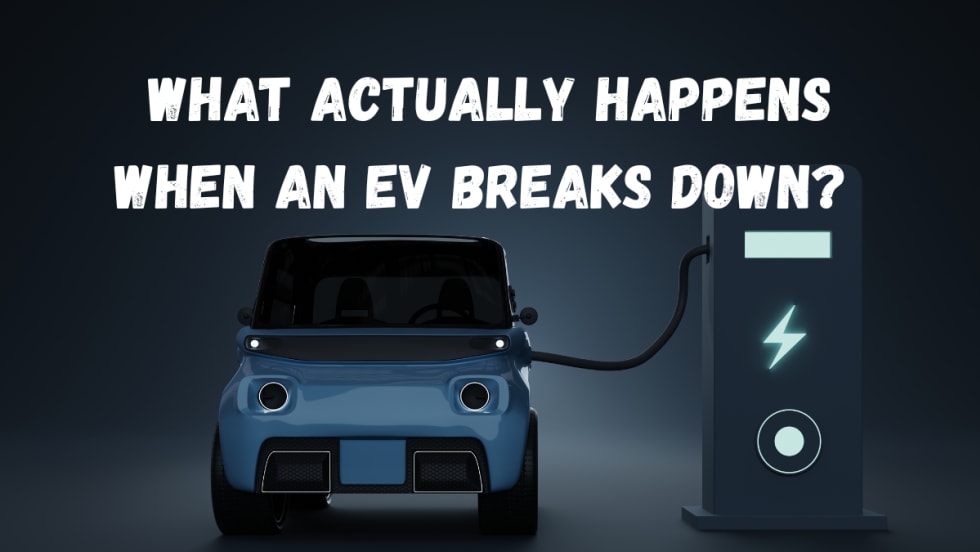
The EV Breakdown Nobody's Talking About: Why Most Electric Vehicle Roadside Calls Aren't Mechanical Failures
Here's why EV breakdowns are widely misunderstood.
Read More →
ChargePoint Now Available in Energy Pass
ChargePoint and additional planned charging network integrations were added to GM's Energy Pass.
Read More →

First Look: Slate Auto's Electric Fleet Pickup
Could an affordable, modular EV pickup make electrification more practical for fleets?
Read More →
Slate Debuts Colorful, Unique EV Models
A recent media and client event, studded with electric vehicles dressed up on platforms, planted a new position for the manufacturer in the wider EV market. Fleets will find cost-saving advantages.
Read More →
Slate Electric SUV, Pickup Switchable Model Aims For Light-Duty Fleets
Everything about this EV is counterintuitive and understated, making it stand out from the crowd.
Read More →
Inspiration Mobility Acquires Key Electrada Assets
Inspiration Mobility Group has acquired select assets of Electrada, adding the fleet electrification provider's team, technology, and charging infrastructure development capabilities to its energy management business.
Read More →
Turning Connected Vehicle Data Into Decisions That Matter
Fleet leaders have more data than ever, but turning that data into clear, actionable decisions remains a challenge. This white paper shows how leading organizations are using connected vehicle data to improve safety, reduce costs, and optimize fleet performance. Learn how to turn insight into action across your fleet.
Read More →
Are You Tracking Your Fleet's True Total Cost of Ownership?
Bobit Business Media surveyed 190 fleet professionals and found that while most fleets are tracking costs, fragmented systems and data gaps are keeping true TCO visibility out of reach. With rising pressure to control spend in an increasingly volatile environment, the gap between what fleets think they know and what the data actually shows is wider than you might expect. See how your peers are managing costs today and where the industry still has room to improve.
Read More →