




Toyota Wins Unintended Acceleration Case
TORRANCE, CA - Toyota has won a case where an individual claimed a driver's side floor mat was the primary cause of the crash of his Scion vehicle in August 2005.
TORRANCE, CA - Toyota has won a case in U.S. District Court in the Eastern District of New York. After deliberating for approximately 45 minutes, according to the automaker, a jury reached a defense verdict in favor of Toyota Motor Sales, in an alleged unintended acceleration case, brought by Dr. Amir Sitafalwalla, who claimed an unsecured driver’s side floor mat was the primary cause of the crash of his Scion vehicle in August 2005.
During the course of the week-long trial, Dr. Sitafalwalla’s primary expert, Dr. Anthony Storace, withdrew his assertion that the Electronic Throttle Control System in the Scion could also have been a cause of the accident based on his acknowledgment that he had no basis to support that claim.
Toyota released the following statement in response to the favorable verdict:
“Toyota is pleased that the jury found no merit to this unintended acceleration claim, refused to accept testimony about possible pedal entrapment by the Scion’s floor mat, and rejected arguments that Toyota was liable for the absence of a brake override system in the vehicle. Importantly, plaintiff’s expert could identify no electronic defect in the vehicle’s Electronic Throttle Control System (ETCS) and offered no scientific proof of any electrical or mechanical malfunction in the throttle control or braking systems of Dr. Sitafalwalla's vehicle.
“Toyota's ETCS has been extensively tested, most recently in an exhaustive 10-month study by NHTSA and NASA, and has multiple fail-safe systems to shut off or reduce engine power in the unlikely event of system failure. We believe that this case sets an important benchmark for unintended acceleration litigation against Toyota across this country, as it clearly demonstrates a plaintiff’s inability to identify, let alone prove the existence of, an alleged electronic defect in Toyota vehicles that could cause unintended acceleration.”
More Operations

Fleet Has a Talent Pipeline Problem. What Comes Next? | AF News Recap
Where will fleet’s next generation of leaders come from? This week, we’re looking at the industry’s talent pipeline, what certification can add to a fleet career, how to build an award-worthy track record, and the return of Automotive Fleet’s Personal Use Survey.
Read More →
Smith System Launches Driver Risk Management Program
Fleets have more driver data than ever, but identifying risky behavior doesn't necessarily correct it. Smith System's new Driver Risk Management program combines monitoring, training, and follow-up coaching to help fleets connect risk signals with driver intervention.
Read More →
Automotive Fleet Opens 2026 Personal Use Survey for Commercial Fleet Managers
Less than two weeks left! Commercial and corporate fleet managers are invited to share how their organizations handle company vehicle personal-use policies, charges, and driver eligibility.
Read More →
From AI Prompts to AI-Generated Safety Songs | AF News Recap
Can better prompts make AI more useful for fleet managers? This week, we’re breaking down smarter fleet analysis, an AI-assisted experiment that turned safety training into music, and what happened to fuel prices in August.
Read More →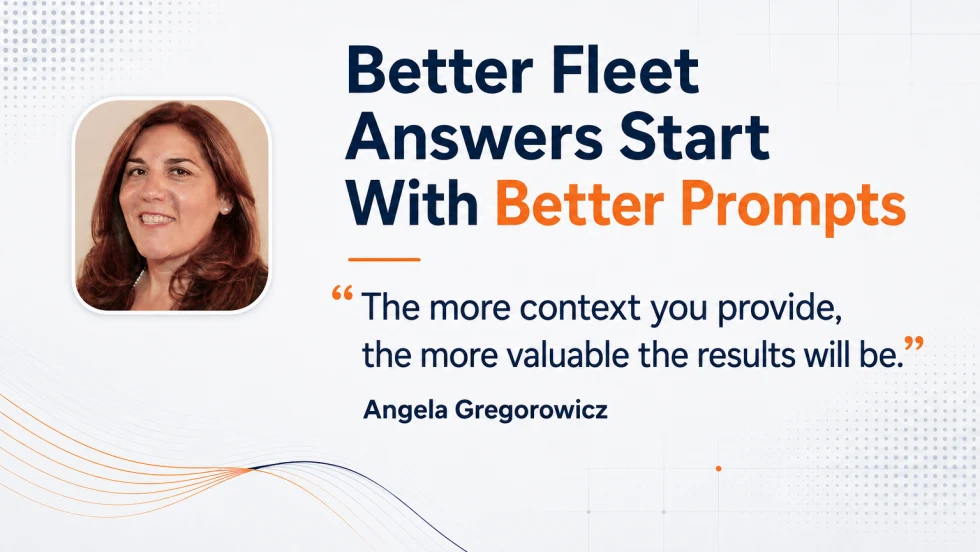
How to Write Better AI Prompts for Fleet Analysis
Include these six elements in your fleet prompts to generate more relevant analysis and accurate answers.
Read More →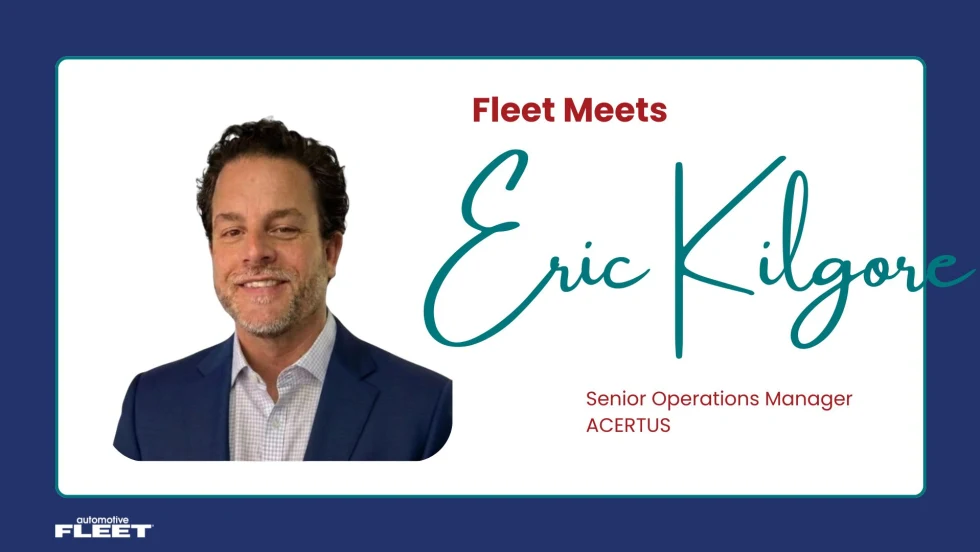
Fleet Meets: Eric Kilgore
This edition of the Fleet Meets series features one of the industry's best leaders driving multi-market and national operations.
Read More →
Why Reactive Fleet Management Is Becoming Too Expensive to Sustain
Research highlights a growing need for proactive management strategies to address rising costs in fleet operations effectively.
Read More →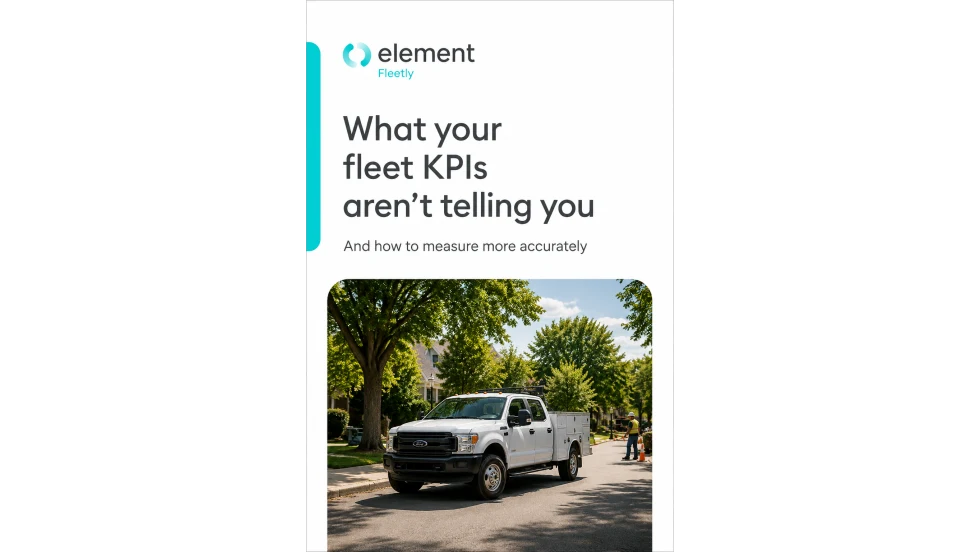
What Your Fleet KPIs Aren’t Telling You
Tracking fleet metrics is only useful when the data leads to better decisions. This guide helps fleet leaders assess cost, utilization, and downtime more accurately, identify performance gaps, and prioritize the actions that can improve operational results.
Read More →
Hidden in Plain Sight: Fleet Compliance Risks
Fleet compliance isn't just about having policies — it's about consistently enforcing them. This practical guide reveals six hidden compliance risks common in public sector and shared fleet operations and outlines proven strategies to improve visibility, accountability, and audit readiness
Read More →
Turning Fleet Payment Data into Executive Insights
Does data alone drive results in operations?
Read More →