




Toyota Unveils 300-Mile Hydro Fuel Cell Car
Toyota Motor Sales will produce a hydrogen fuel-cell electric car for the 2015 model year with a 300-mile range that will initially debut in California, the automaker announced at the Consumer Electronics Show.
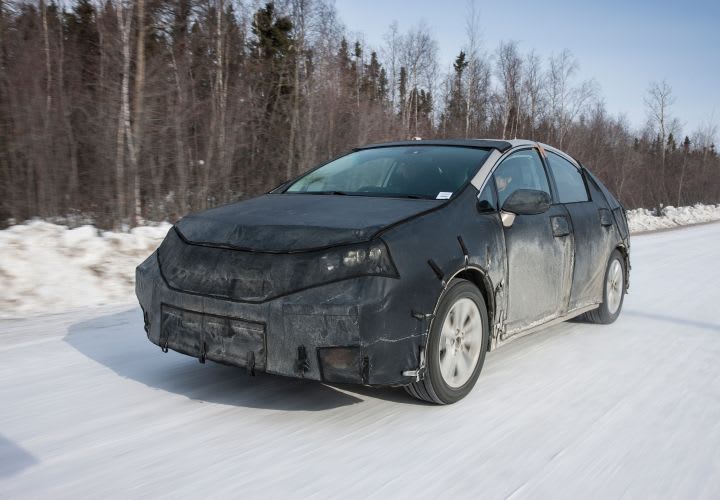
Photo courtesy of Toyota.
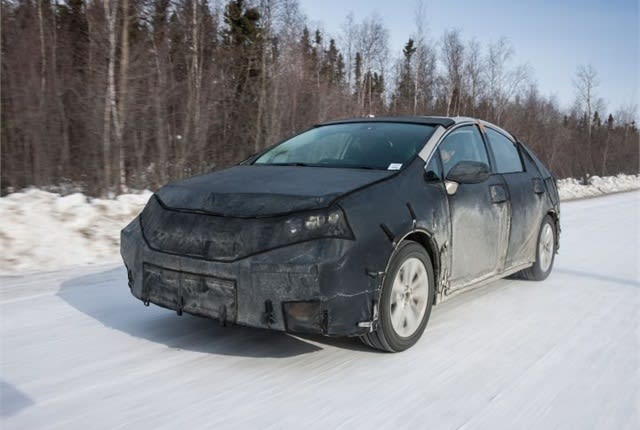
Photo courtesy of Toyota.
Toyota Motor Sales will produce a hydrogen fuel-cell electric car for the 2015 model year with a 300-mile range that will initially debut in California, the automaker announced at the Consumer Electronics Show.
Toyota showed its FCV concept mid-size sedan as well as a camouflage-taped engineering prototype it has been using for testing in North America for more than a year.
The automaker plans to launch the vehicle in California because that state has approved $200 million to build hydrogen fuel-cell fueling stations starting in 2015.
"Fuel cell electric vehicles will be in our future sooner than many people believe, and in much greater numbers than anyone expected," said Bob Carter, Toyota's senior vice president of automotive operations, at CES on Monday.
The engineering prototype has "consistently delivered a driving range of about 300 miles and zero-to-sizty acceleration of about 10 seconds with no emissions other than water vapor," according to Toyota. Refueling of its hydrogen tanks takes three to five minutes.
The FCV's hydrogen powertrain produces more than 100 kilowatts, which is enough to power a house for a week in an emergency.
Toyota is working with the University of California Irvine's Advanced Power and Energy Program to help map out potential locations for new hydrogen fueling stations that would allow a FCV owner to reach a station within six minutes.
Toyota expects 20 new stations in the state by 2015, 40 stations by 2016, and as many as 100 by 2024. "Stay tuned, because this infrastructure thing is going to happen," Carter added.
More Green Fleet

EV Charging Use Is Outpacing Infrastructure Growth
ChargePoint’s 2026 Charging Forward Report points to rising charger use, higher-powered charging, commercial vehicle electrification, and energy-management technology. Here’s what fleets should know.
Read More →
Merchants Fleet Reports 290M EV Miles as Fleets Navigate Changing Electrification Market
From millions in operating savings to hundreds of millions of EV miles, Merchants Fleet’s latest report reveals what’s working and what’s changing in fleet electrification.
Read More →
The EV Breakdown Nobody's Talking About: Why Most Electric Vehicle Roadside Calls Aren't Mechanical Failures
Here's why EV breakdowns are widely misunderstood.
Read More →
ChargePoint Now Available in Energy Pass
ChargePoint and additional planned charging network integrations were added to GM's Energy Pass.
Read More →

First Look: Slate Auto's Electric Fleet Pickup
Could an affordable, modular EV pickup make electrification more practical for fleets?
Read More →
Slate Debuts Colorful, Unique EV Models
A recent media and client event, studded with electric vehicles dressed up on platforms, planted a new position for the manufacturer in the wider EV market. Fleets will find cost-saving advantages.
Read More →
Slate Electric SUV, Pickup Switchable Model Aims For Light-Duty Fleets
Everything about this EV is counterintuitive and understated, making it stand out from the crowd.
Read More →
Inspiration Mobility Acquires Key Electrada Assets
Inspiration Mobility Group has acquired select assets of Electrada, adding the fleet electrification provider's team, technology, and charging infrastructure development capabilities to its energy management business.
Read More →
Turning Connected Vehicle Data Into Decisions That Matter
Fleet leaders have more data than ever, but turning that data into clear, actionable decisions remains a challenge. This white paper shows how leading organizations are using connected vehicle data to improve safety, reduce costs, and optimize fleet performance. Learn how to turn insight into action across your fleet.
Read More →