




Toyota Suspends Sales of 8 Models in Safety Recall
TORRANCE, CA -- Toyota Motor Sales U.S.A. is instructing Toyota dealers to temporarily suspend sales of eight models that are included in a safety recall aimed at addressing reports of sticking accelerator pedals.
TORRANCE, CA -- Toyota Motor Sales U.S.A. is instructing Toyota dealers to temporarily suspend sales of eight models that are included in a safety recall aimed at addressing reports of sticking accelerator pedals.
Toyota's accelerator pedal recall and suspension of sales are confined to the following Toyota Division vehicles:
2009-2010 RAV4
2009-2010 Corolla
2009-2010 Matrix
2005-2010 Avalon
Certain 2007-2010 Camry models
2010 Highlander
2007-2010 Tundra
2008-2010 Sequoia
No Lexus Division or Scion vehicles are affected by these actions. Also not affected are Toyota Prius, Tacoma, Sienna, Venza, Solara, Yaris, 4Runner, FJ Cruiser, Land Cruiser and select Camry models, including all Camry hybrids, which will remain for sale.
"Helping ensure the safety of our customers and restoring confidence in Toyota are very important to our company," said Group Vice President and Toyota Division General Manager Bob Carter. "This action is necessary until a remedy is finalized. We're making every effort to address this situation for our customers as quickly as possible."
Toyota last week announced it would recall approximately 2.3 million vehicles to correct sticking accelerator pedals on specific Toyota Division models. Toyota said it has investigated isolated reports of sticking accelerator pedal mechanisms in certain vehicles without the presence of floor mats. "There is a possibility that certain accelerator pedal mechanisms may, in rare instances, mechanically stick in a partially depressed position or return slowly to the idle position," the automaker said.
Due to the sales suspension, Toyota is expected to stop producing vehicles on the following production lines for the week of Feb. 1 to assess and coordinate activities. The North America vehicle production facilities affected are:
Toyota Motor Manufacturing, Canada (Corolla, Matrix, and RAV4)
Toyota Motor Manufacturing, Indiana (Sequoia and Highlander)
Toyota Motor Manufacturing, Kentucky - Line 1 (Camry and Avalon)
Subaru of Indiana Automotive, Inc. (Camry)
Toyota Motor Manufacturing, Texas (Tundra)
No other North American Toyota vehicle production facilities are affected by the decision to stop production.
The sticking accelerator pedal recall is separate from the ongoing recall of Toyota and Lexus vehicles to reduce the risk of pedal entrapment by incorrect or out-of-place accessory floor mats. Approximately 1.7 million Toyota Division vehicles are subject to both separate recall actions.
More Safety
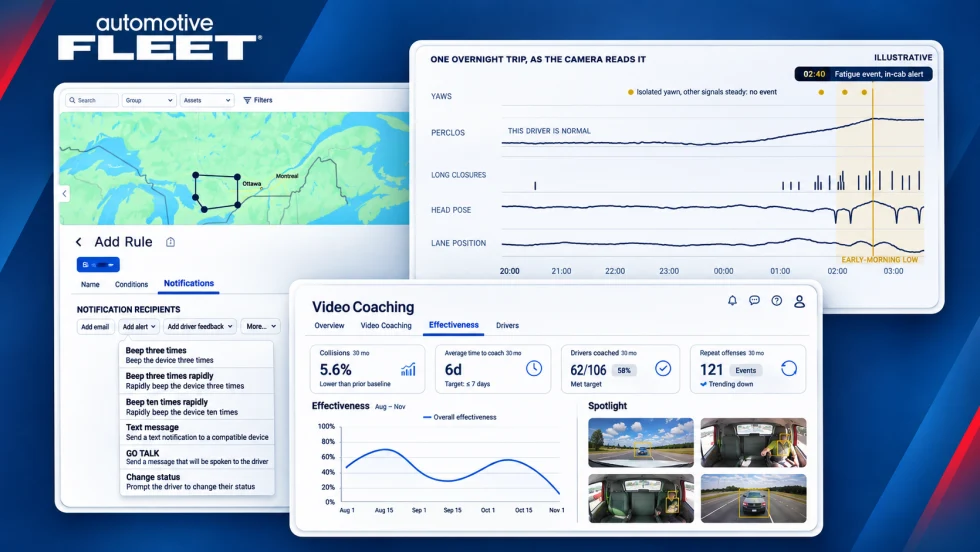
Geotab Adds AI-Powered Driver Coaching and Fatigue Detection Features
New capabilities include fatigue monitoring, two-way audio, coaching effectiveness analytics and location-based privacy controls for fleet safety management.
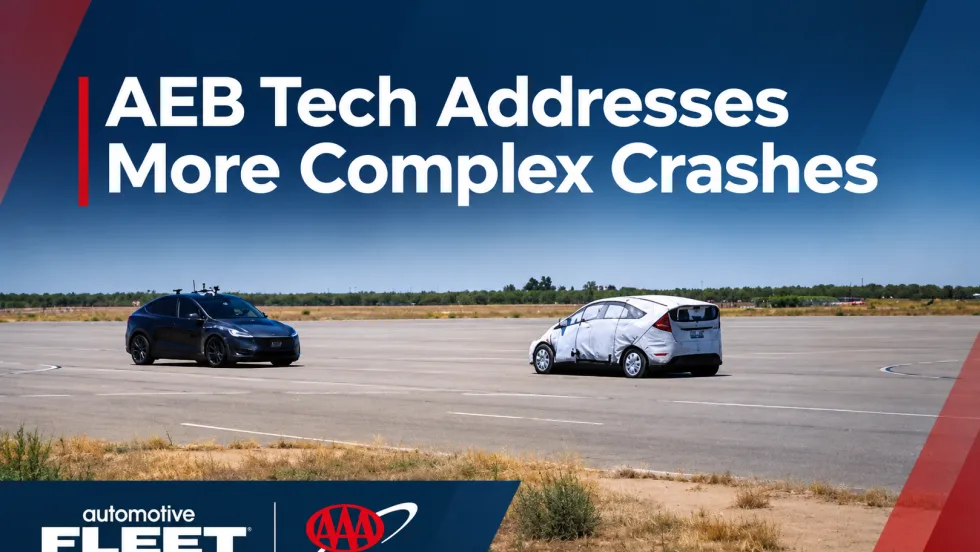
AAA Testing Finds Gaps in Intersection AEB Crash Prevention
Testing of four 2026 model-year vehicles found that automatic emergency braking prevented collisions in standardized intersection scenarios, but three vehicles failed to avoid crashes when another vehicle turned into their path.

Which Fleet Types Have the Highest Severe Speeding Rates?
New research from SambaSafety finds significant differences in speeding rates across fleet industries, even as nearly 90% of surveyed fleets report using telematics.

When a Cyberattack Hits Your Fleet: What Happens Next?
“You have two opportunities to test your plans: when you choose or when the threat actor chooses.” A cybersecurity expert reveals what fleet managers need to know before a cyberattack puts their operations at risk — and why the decisions made in the first moments can shape the entire recovery.

Tips for Driving Safely on Halloween Night
This video features a reminder from the Connecticut Department of Transportation (DOT) and the Connecticut Police Chiefs Association, urging drivers to prioritize safety this Halloween.
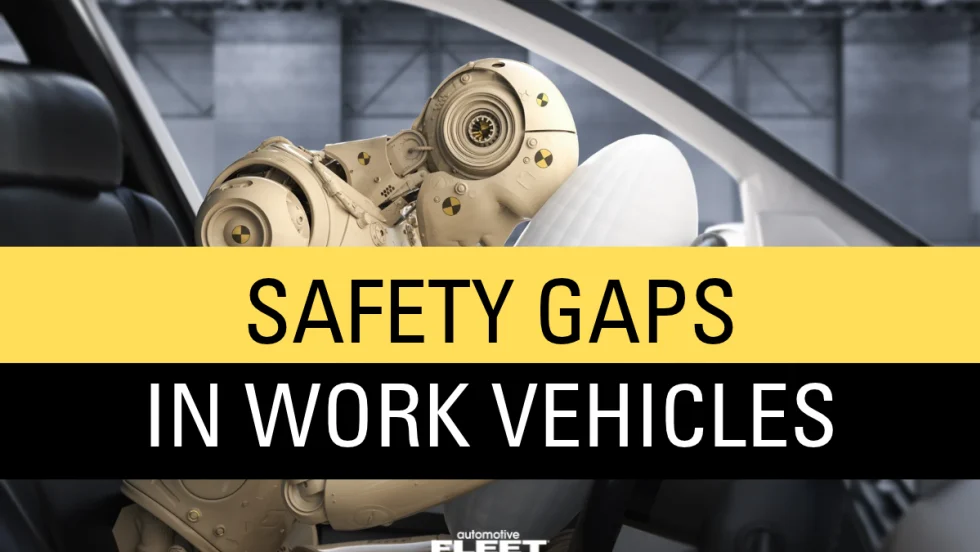
IIHS Crash Avoidance Tests Reveal Safety Gaps in Cargo Vans and Work Trucks
New IIHS crash avoidance ratings show uneven performance among cargo vans and heavy-duty pickups, with most struggling to avoid vehicle-to-vehicle collisions.
What’s Next for Fleet? Safety, AI & Industry Recognition | AF News Recap
Could your company's culture be encouraging distracted driving? This week, we're exploring how workplace expectations affect driver safety, what AI, EVs, and autonomous vehicles could mean for the future of fleet management, and how fleet professionals can strengthen their award nominations.

Does Your Fleet's Culture Encourage Distracted Driving?
What happens when the people responsible for enforcing safety rules are the ones setting the wrong example? The answer may reveal why some of the biggest risks to fleet drivers have little to do with what's written in the employee handbook.

Fleet Manager’s Ultimate Playbook: Navigating the New Standard in OEM Connectivity
Rising operating costs, driver safety concerns, and unplanned downtime are putting unprecedented pressure on modern fleets. Discover how fleet managers use embedded OEM connectivity and real-time vehicle data to cut TCO, prevent downtime, and protect drivers without aftermarket telematics hardware.

From Driver Well-Being to EV Charging | AF News Recap
Mental health belongs in the fleet safety conversation. This week, we’re looking at five ways fleets can support employee well-being before a crisis, plus Holman’s expansion in Mexico, new one-day Fleet Forward passes, and why EV charging demand is outpacing infrastructure growth.