




Toyota, Subaru to Develop Battery-Electric Platform
Ever since concluding an agreement on business collaboration in 2005, Toyota and Subaru have been deepening their cooperation in various fields, including development, production, and sales.
Both Subaru and Toyota are required to conduct technological development with a sense of speed across a broader-than-ever spectrum of initiatives.
Photo via Toyota.
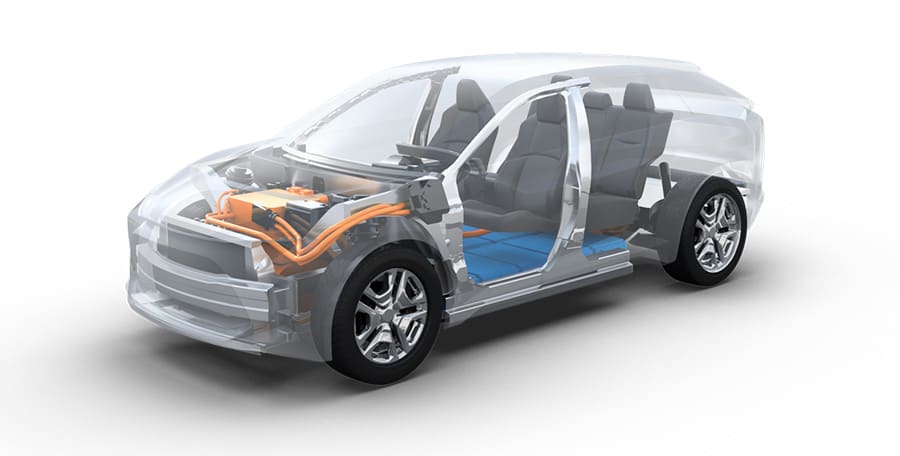
Toyota Motor Corporation and Subaru Corporation have agreed to jointly develop a platform dedicated to battery electric vehicles (BEVs) for midsize and large passenger vehicles and to jointly develop a C-segment-class BEV SUV model for sale under each company's own brand.
Ever since concluding an agreement on business collaboration in 2005, Toyota and Subaru have been deepening their cooperation in various fields, including development, production, and sales. Examples include efforts that led to the start of sales of the jointly developed rear-wheel-drive Toyota 86 and Subaru BRZ in 2012 and the start of sales of Subaru's Crosstrek Hybrid original plug-in hybrid electric vehicle (HEV) in the United States, to which was applied knowledge related to Toyota's HEV technologies.
Starting with responses to the new CASE domains of car connectivity, autonomous or assisted driving, new mobility or car-sharing, and electrified powertrains and components, both Subaru and Toyota are required to conduct technological development with a sense of speed across a broader-than-ever spectrum of initiatives.
In addressing vehicle electrification, due to significant variation in the energy situations of each country or region and in government policies, as well as due to resulting differences in environmental regulations, in the stages of infrastructure preparation, and in market needs for electrified vehicles, efficient and speedy development of appropriate products is a must.
Furthermore, the commercialization of BEVs requires the use of large-capacity batteries, and, along with the popularization of BEVs, demands of a new dimension will be placed on battery supply. In addition, stemming from differences in how cars will be used due to maximum cruising ranges and the state of infrastructure construction, sales methods with a new approach will also be needed. These and other issues present a growing number of challenges related to costs, supply, and ways of selling.
To respond with a sense of speed to the diversifying needs of these markets and to multiple challenges, both Subaru and Toyota believe that it is necessary to pursue a business model that goes beyond convention, crossing over industrial boundaries together with various types of other entities that share their aspirations.
As a first step in this direction, while accelerating productization by bringing together technologies that represent each company's strengths and cooperating where possible, the two companies will jointly develop a BEV-dedicated platform. The platform will be developed in a way that will make it broadly applicable to multiple vehicle types, including C-segment-class and D-segment-class sedans and SUVs, as well as to efficient development of derivative vehicle models.
More Fleet Forward

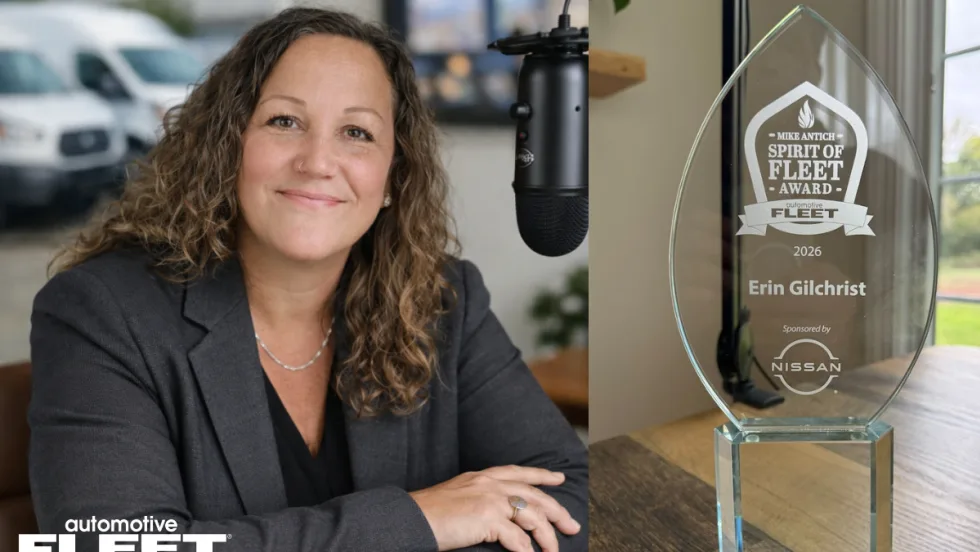
Erin Gilchrist Receives Mike Antich Spirit of Fleet Award
Last week at AFLA in Vegas, Erin Gilchrist received the inaugural, brand-new Spirit of Fleet Award.
Read More →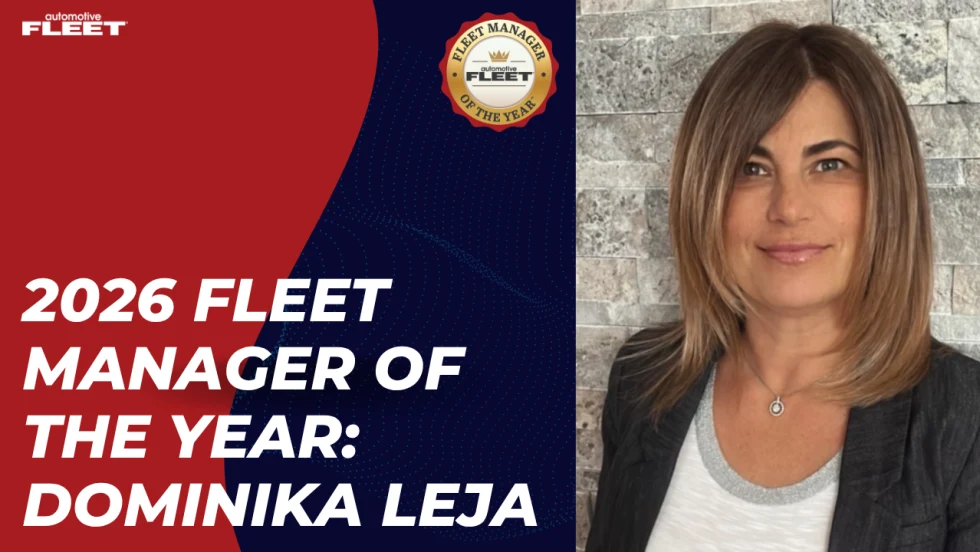
Dominika Leja Named the 2026 Fleet Manager of the Year
The AstraZeneca associate director of fleet was recognized for her leadership in fleet electrification, cost savings, and operational transformation.
Read More →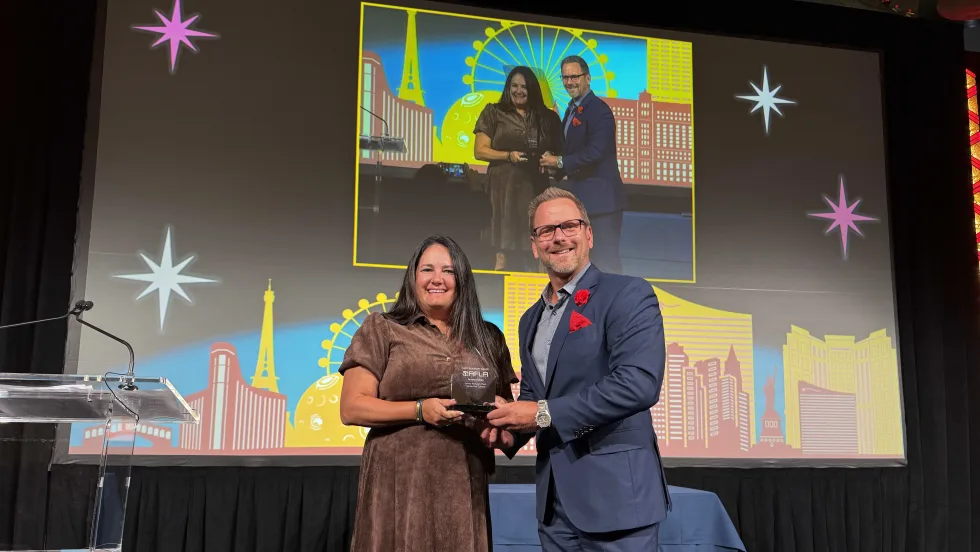
Jamie McKay Named the 2026 Fleet Visionary Award Winner
The Aptive Pest Control fleet manager was recognized for her approach to operations, data, lifecycle management, and driver needs.
Read More →
Fleet Forward Conference Introduces One-Day Passes for 2026
New one-day registration gives fleet professionals the flexibility to attend Tuesday, Wednesday, or Thursday, with passes available for $199 through Sept. 18.
Read More →
Vibe Coding: When Fleet Managers Become Software Builders
Five fleet professionals — none with programming skills — discuss how they’re using AI to build fleet solutions in-house and in a fraction of the time.
Read More →
Fleet Forward Conference Tackles Fleet Industry’s Growing Leadership Gap
This session will examine succession planning, knowledge transfer, and the skills the next generation of fleet leaders will need as veteran professionals leave the industry.
Read More →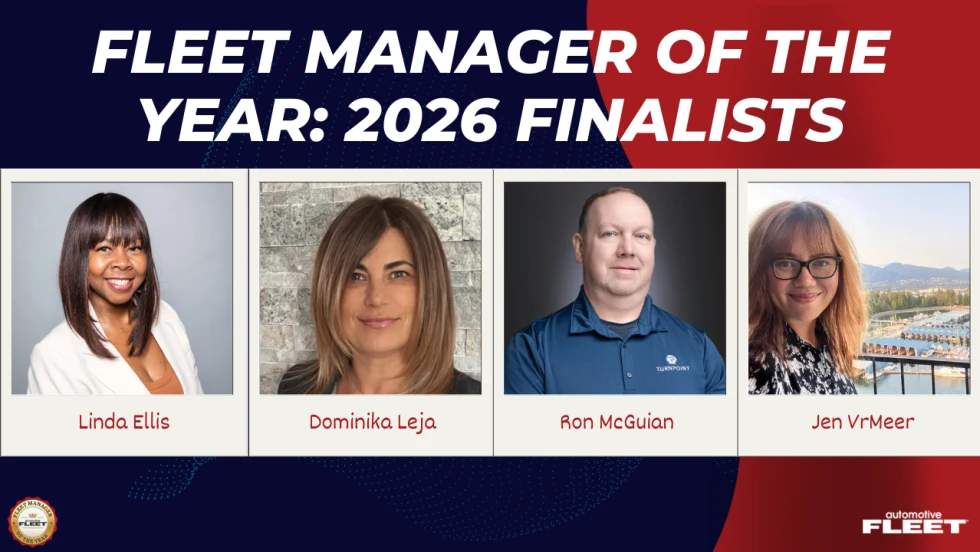
2026 Fleet Manager of the Year Finalists Announced
Who are the 2026 Fleet Manager of the Year finalists?
Read More →
John Rossant to Deliver Opening Keynote at 2026 Fleet Forward Conference
The CoMotion founder will draw on developments across Europe, China, the Middle East, and other international markets to identify trends that could influence how U.S. fleets plan for the coming decade.
Read More →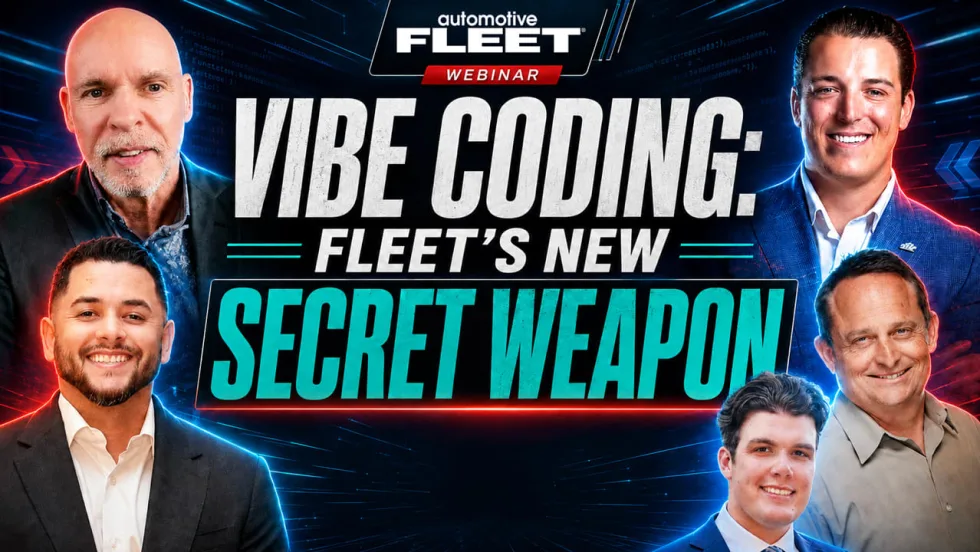
How to Build Custom Fleet Tools With AI and Vibe Coding [Webinar]
A new Automotive Fleet webinar explores how fleet managers are using AI and vibe coding to automate routine work and create simple operational tools without traditional programming skills.
Read More →