




Toyota Seeks Extended Hybrid Tax Credits
WASHINGTON, D.C. – Toyota North American President Jim Press has urged Congress to extend federal tax credits for hybrid vehicles and accelerate its buying of hybrids and alternative-fleet vehicles to help address energy concerns.
WASHINGTON, D.C. – Toyota North American President Jim Press has urged Congress to extend federal tax credits for hybrid vehicles and accelerate its buying of hybrids and alternative-fleet vehicles to help address energy concerns, according to the Associated Press. A 2005 federal energy bill provided up to $3,600 in tax credits to U.S. consumers who buy hybrids, but Toyota Motor Corp. this summer hit the legal production limit — 60,000 vehicles — that are eligible for the full tax credit. Press said there was a drop in demand for hybrids after the full tax credit expired for Toyota. Toyota officials said the automaker’s U.S. hybrid sales in October dropped to its lowest levels since March, attributing the decline in demand in part to the reduced tax credits. The automaker also shifted production of some hybrids from Japan to the United States, according to the report. Federal tax credits for Toyota and Lexus hybrid vehicles were cut in half beginning in October. The $3,150 credit for the Toyota Prius, the largest hybrid tax credit available, shrank to $1,575 on Oct 1. Credits for other hybrids made by Toyota, including certain Camry, Highlander, and Lexus vehicles, were reduced to between $775 to $1,300.
More Fuel

October Fuel Trends Show Diverging Gasoline and Diesel Prices
Get the latest fuel trends from October.
Read More →
Fuel Prices Surge in September | September Fuel Update
September brought major fuel price swings, including diesel crossing $6 a gallon. Here’s how gas and diesel prices changed throughout the month, and where they stood heading into October.
Read More →
Turning Fleet Payment Data into Executive Insights
Ramel Lindsay of U.S. Bank Voyager discusses how fleets can transform payment and transaction data into actionable intelligence to reduce costs, improve oversight, and support executive decision-making.
Read More →
Why the IRS Raised Its Mileage Rate in the Middle of 2026
Fuel-price volatility drove the rare increase to 76 cents per mile, the fifth midyear adjustment since 2000.
Read More →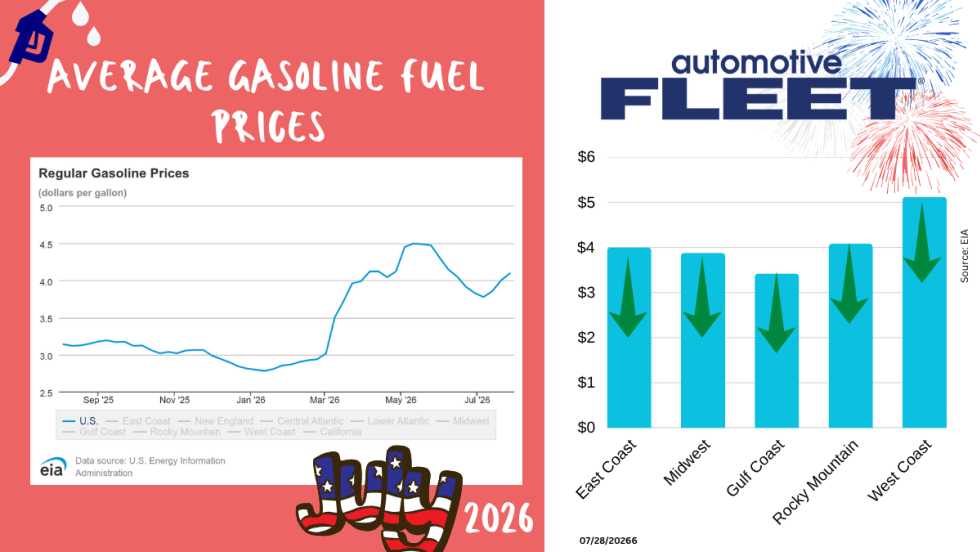
July Fuel Update: Prices Keep Rising in Light of More Conflict
Gas prices continue to rise as more and more conflicts do, too.
Read More →
Bob Adamsky on Fuel Volatility: "Don't Panic, Have a Plan."
When it comes to up and down fuel prices, Adamsky has a message for fleets: “Don’t panic.”
Read More →
How Fleets Can Gain Control of Non-Fuel Spend
Fuel often gets the spotlight, but non-fuel expenses can have a major impact on fleet costs. Ramel Lindsay of U.S. Bank Voyager discusses how fleets can gain better visibility and control over these often-overlooked expenditures.
Read More →
Fuel is Just the Start: How Middle East Tensions are Driving Up Fleet Maintenance Costs
The Middle East conflict is doing more than pushing up fuel prices. It’s also raising the cost of key maintenance products your fleet depends on, from motor oil to tires to windshield wipers. Here’s what you need to know about this budget-busting situation.
Read More →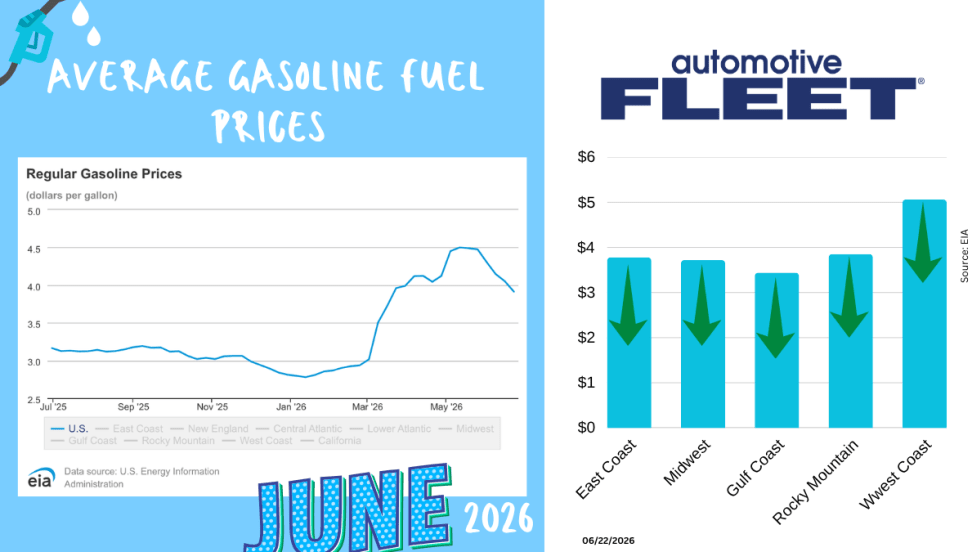
June Fuel Update: Prices Fall Below $4
Drivers are finally getting some relief at the pump. The national average gas price has dropped below $4 a gallon for the first time in months, with prices falling in 47 states as oil markets react to developments in U.S.-Iran negotiations.
Read More →
Study: How 2026's Gas Price Hikes Affect Different Vehicle Types
New data from iSeeCars reveals how rising fuel costs have affected different vehicle segments as gasoline prices climbed nearly 46% over the past four months.
Read More →