




Toyota Releases 2012-MY Prius v Specs and Info
HALF MOON BAY, CA – Toyota released specs and information about its new Prius v, which will go on sale fall of 2011.
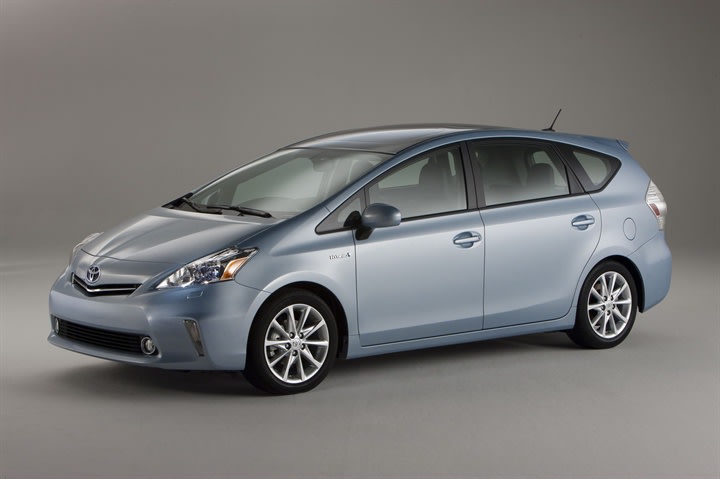
The Prius v's wheelbase is 109.4 inches.
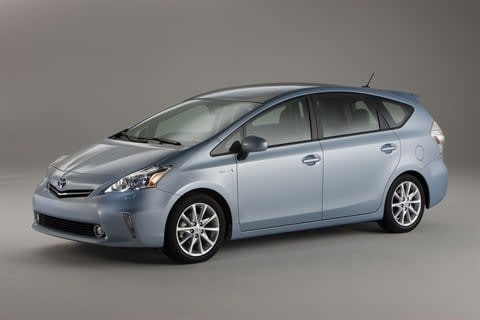
HALF MOON BAY, CA – Toyota released specs and information about its new Prius v, which will go on sale fall of 2011. This larger version in the Prius “family” of vehicles is called the “v” due to what the automaker sees as its potential for a wide range of uses, due to more available cargo room and general interior space.
We've also got a short gallery of the 2012 Prius v available here.
Performance
The Prius v will deliver an EPA-estimated 44 mpg city, 40 mpg highway, 42 mpg combined. The v’s engine is a 1.8L DOHC four-cylinder engine that can provide 134 total system hp (the engine by itself provides 98 hp). The vehicle can produce 105 lb. ft. of torque at 4,000 rpm. Toyota said this model will use the same Hybrid Synergy Drive that the third-generation Prius comes equipped with. This system uses two motors, one 60kw (equivalent to 80 hp), and a smaller motor that works as an electric power source. The v uses a nickel-metal hydride battery pack but has a cooling duct located under the back seat. The valve control, injector design, and other technologies reduce emissions so the Prius v can qualify for SULEV and Tier2 Bin3 emissions standards.
To allow a driver to get optimal performance based on different driving conditions, the Prius v offers four driving modes, Eco, EV, standard and Power. The Power mode is designed to provide improved mid-range response and help the driver handle slopes and steep terrain. The EV mode lets the Prius v run on battery power, which works for short distances at lower speeds. The Eco driving mode lets the driver focus on maximizing fuel economy (it manages throttle response and limits air-conditioning power consumption).
Interior
Toyota’s focus has been on the vehicle’s larger size and added versatility, which means a range of interior changes designed to provide more room for the driver, any passengers, and cargo. The rear cargo area provides 34.3 cubic feet of cargo space. The 60/40 split folding rear seats allow for four seating arrangements. The second row of seats can slide. The seating arrangement can fit five.
The center console is accessible from the driver side and rear seats. The vehicle offers storage throughout the cabin, such as dual glove boxes, a center console utility tray, and five cup holders in large and medium sizes. The v has bottle holders built into the front and rear door pockets, and Toyota said most models will feature an overhead storage space for sunglasses. Additional storage includes units built into the sides and under the cargo platform for storing items, and a space under the second row of seats capable of fitting umbrellas. The driving controls including Push Button Start, parking switch, drive-by-wire shift toggle, and driving mode buttons.
Toyota is providing seats that feature a new seating material called SofTex, which is designed for easy cleaning and resisting spills and wear. SofTex also uses a manufacturing process that uses 99 percent fewer volatile organic compounds (VOCs). The material is 50-percent lighter when compared with leather.
When it comes to vehicle connectivity, the v offers a Bluetooth wireless connection for compatible hands-free phone calls, which is standard. This system features an automatic phone book transfer function. The 6.1-inc screen displays can show the vehicle’s energy monitor and fuel consumption data. It acts as the monitor for the integrated back-up camera and the Display Audio System. The vehicle also comes with a new navigation system and serves as a portal for the automaker’s Entune system. Higher end models feature more entertainment options.
Toyota said the Prius v will be one of the first of its vehicles to offer the Entune multimedia system, which allows for smartphone connectivity.
Exterior
Toyota engineered the new Prius v to offer customers more space in an aerodynamic package that the automaker said was designed from the ground up rather than on the current Prius’ platform. The v has a low 0.29 coefficient of drag, has side “aerocorners” for clean airflow, and a sheetmetal design that helps reduce wind noise.
The company said the vehicle is lighter due to the use of high-tensile grades of steel, polypropylene foam in the door panels, and a deck board with urethane, all of which reduce weight by 20 percent when compared with traditional materials.
The v offers optional LED headlamps to reduce power consumption and features an enhanced cooling system for the larger cabin.
Safety
The Prius v comes standard with Toyota’s Star Safety System, which includes Vehicle Stability Control (VSC), Traction Control (TRAC), Anti-lock Braking System (ABS), Electronic Brake-force Distribution (EBD), and Brake Assist. It also features the standard Smart Stop Technology brake-override system. TPMS is standard. Seven airbags are standard. The v comes with a Vehicle Proximity Notification System that alerts pedestrians and cyclists of the vehicle’s presence via a warning sound under specific conditions.
The v offers an optional Pre-Collision System (PCS), which retracts seatbelts and applies brakes in certain driving conditions. This system is available when paired with Toyota’s Dynamic Radar Cruise Control.
Toyota said its Safety Connect system is also an optional feature. This system can contact a call center with a live operator who can dispatch police and emergency vehicles. The system combines automatic collision notification and a stolen vehicle locator feature that uses GPS.
You can download the spec sheet from Toyota's site here: Prius V spec sheet.
More Operations

Moventum Fleet Management Names Mark Iorillo Head of Sales
Iorillo brings nearly 20 years of fleet management and sales experience to the role, including previous positions at Element Fleet Management, CEI, Donlen and Ryder.
Read More →
Fleet Has a Talent Pipeline Problem. What Comes Next? | AF News Recap
Where will fleet’s next generation of leaders come from? This week, we’re looking at the industry’s talent pipeline, what certification can add to a fleet career, how to build an award-worthy track record, and the return of Automotive Fleet’s Personal Use Survey.
Read More →
Smith System Launches Driver Risk Management Program
Fleets have more driver data than ever, but identifying risky behavior doesn't necessarily correct it. Smith System's new Driver Risk Management program combines monitoring, training, and follow-up coaching to help fleets connect risk signals with driver intervention.
Read More →
Automotive Fleet Opens 2026 Personal Use Survey for Commercial Fleet Managers
Less than two weeks left! Commercial and corporate fleet managers are invited to share how their organizations handle company vehicle personal-use policies, charges, and driver eligibility.
Read More →
From AI Prompts to AI-Generated Safety Songs | AF News Recap
Can better prompts make AI more useful for fleet managers? This week, we’re breaking down smarter fleet analysis, an AI-assisted experiment that turned safety training into music, and what happened to fuel prices in August.
Read More →
How to Write Better AI Prompts for Fleet Analysis
Include these six elements in your fleet prompts to generate more relevant analysis and accurate answers.
Read More →
Fleet Meets: Eric Kilgore
This edition of the Fleet Meets series features one of the industry's best leaders driving multi-market and national operations.
Read More →
Why Reactive Fleet Management Is Becoming Too Expensive to Sustain
Research highlights a growing need for proactive management strategies to address rising costs in fleet operations effectively.
Read More →
What Your Fleet KPIs Aren’t Telling You
Tracking fleet metrics is only useful when the data leads to better decisions. This guide helps fleet leaders assess cost, utilization, and downtime more accurately, identify performance gaps, and prioritize the actions that can improve operational results.
Read More →
Hidden in Plain Sight: Fleet Compliance Risks
Fleet compliance isn't just about having policies — it's about consistently enforcing them. This practical guide reveals six hidden compliance risks common in public sector and shared fleet operations and outlines proven strategies to improve visibility, accountability, and audit readiness
Read More →