




Toyota Recalling 82,200 MY 2006-2007 Hybrid Vehicles
TORRANCE, CA – Toyota Motor Sales USA Inc. is recalling approximately 45,500 Highlander Hybrid and 36,700 Lexus RX 400h model-year 2006-2007 vehicles sold in the U.S.
TORRANCE, CA – Toyota Motor Sales USA Inc. is recalling approximately 45,500 Highlander Hybrid and 36,700 Lexus RX 400h model-year 2006-2007 vehicles sold in the U.S.
The Intelligent Power Module (IPM) located inside the hybrid system inverter contains a control board with transistors. Certain transistors on the control boards in some of these vehicles were inadequately soldered and could be damaged from heat caused by a large current flow during high-load driving, Toyota said. If this were to occur, various warning lamps would illuminate on the instrument panel. In most cases the vehicle would enter a fail-safe driving mode, resulting in reduced power in which the vehicle can still be driven for short distances.
In limited instances, the power supply circuit fuse could blow when the transistor is damaged. If the fuse blows, the hybrid system will stop and the vehicle will coast to a stop.
Toyota is currently working on obtaining the necessary replacement parts. Once the replacement parts are available, the automaker will notify owners. Meanwhile, owners of the involved vehicles will be notified of the recall by mail this month.
Once the replacement parts have been produced in sufficient quantities, Toyota will send a second letter that advises owners to make an appointment with an authorized Toyota dealer to have the IPM inspected and, if necessary, replaced at no charge.
More Operations
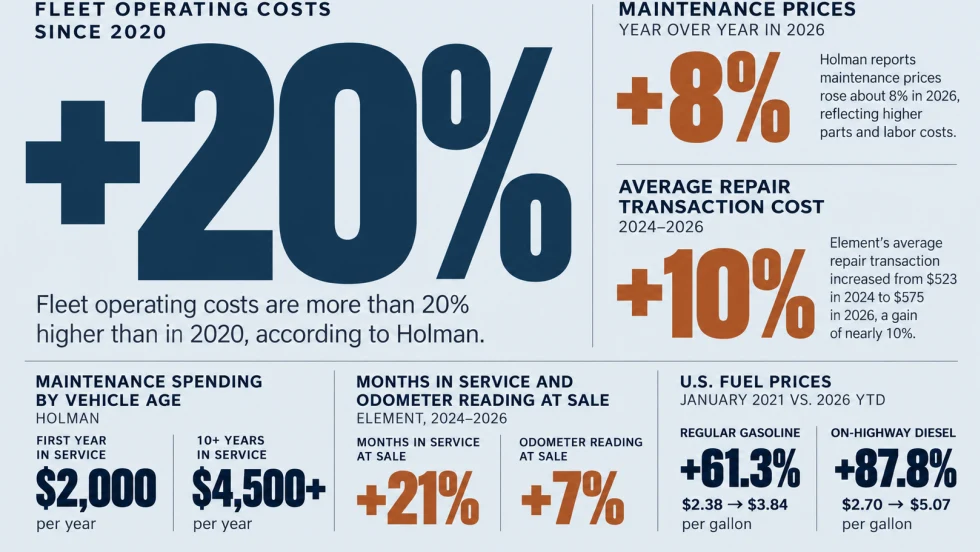
Managing Fleet Costs in an Era of Permanent Volatility
Fleet operating costs have risen more than 20% since 2020, raising a key question: When does extending a vehicle's service life stop making financial sense?
Read More →
The Next Evolution of Fleet Management: Autonomous Operations
This opening keynote session at the Fleet Forward Conference highlights the future of autonomous driving for fleets.
Read More →
How to Reduce the Total Cost of Risk From Catalytic Converter Theft
A stolen catalytic converter can cost fleets far more in downtime and lost productivity than in repairs. A total-cost-of-risk approach can help fleet managers quantify their exposure and prioritize theft prevention.
Read More →

Personal-Use Charges Rise as Vehicle Values Fall | AF News Recap
Personal-use charges are climbing, wholesale used-vehicle values are declining, and commercial fleet sales growth is slowing. This week, we're breaking down the latest fleet data, plus how Element Fleet Management is helping Waymo prepare for its first Canadian robotaxi market.
Read More →
Here's When You Should Make an Exception to Fleet Policy
Fleet policies are designed to create consistency, but not every driver or situation fits neatly within standard rules.
Read More →
AI-Native or AI-Acquired: What Should Fleet Managers Look for in an AI Platform?
Six questions can help fleet managers look beyond AI marketing claims to evaluate integration, data access, and real-world operational performance.
Read More →
A buyer's guide to fleet management software in 2027
Buying fleet management software in 2027 means looking beyond features and price. As fleet operations, technology and expectations evolve, this guide explores what today’s fleet professionals should consider when choosing a system that can deliver value now and adapt to what comes next.
Read More →
What Will Shape the Next Era of Fleet Management?
EVs, AI, and autonomous vehicles are reshaping fleet management. Discover what’s ahead—and how fleet leaders can prepare for the next era.
Read More →
How Fleets Can Recruit and Train Veterans for Technician Roles
Here's how the technician shortage has affected uptime for fleets, and what to do about it.
Read More →
Avis Budget Group Deploys Neology Toll Management Technology Across Major Brands
Neology’s neoFleet platform will manage toll transactions and toll-authority operations for vehicles across Avis, Budget, Payless, Budget Truck and Zipcar.
Read More →