




Toyota Mirai Orders Reach 1,500 in Japan
Toyota’s Mirai hydrogen fuel cell vehicle has already reached 1,500 orders in Japan, according to the automaker.
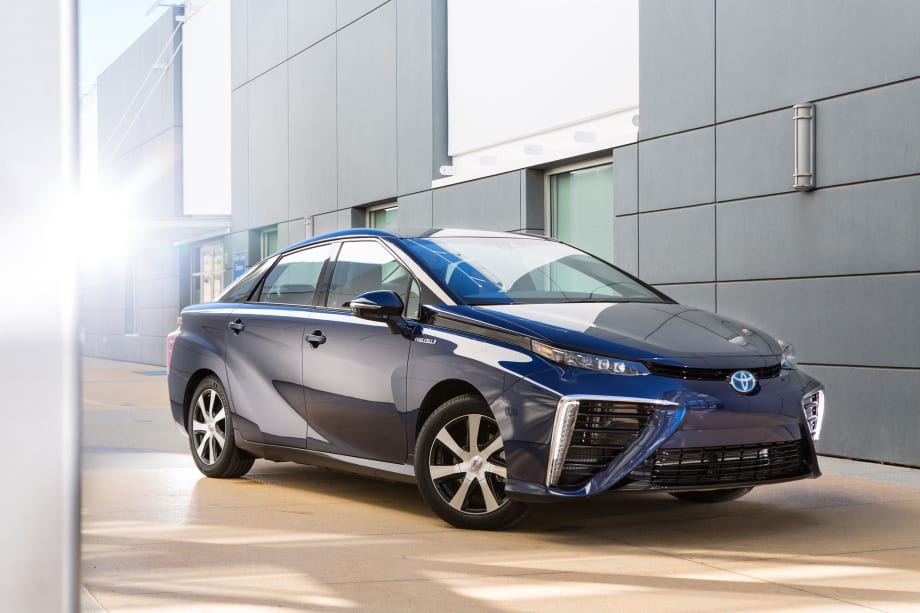
Photo courtesy of Toyota.
Photo courtesy of Toyota.
Toyota’s Mirai hydrogen fuel cell vehicle has already reached 1,500 orders in Japan, according to the automaker.
Toyota originally projected sales of about 400 units in Japan by the end of 2015, and already has well surpassed this number.
Japan also announced its plans to ease certain regulations related to fuel cells to promote the technology, according to a Bloomberg report.
An estimated 60 percent of the orders are coming from government offices and corporate fleets, according to a press release from the company. Japanese Prime Minister Shinzo Abe says he wants all ministries and agencies to drive the Mirai.
Toyota expressed its strategy toward fleet sales to AutomotiveFleet.com in late 2014. "We've had several events with commercial customers and we've had extremely positive feedback," said Mark Oldenburg, Toyota’s national fleet marketing, mobility and strategic planning manager for the U.S. "It's geared toward commercial accounts that have a strong green message, who want to make an environmental statement."
As a result of the higher demand, the company forecasts a longer time to delivery than originally planned.
The Mirai can travel about 400 miles without refueling, which is about three times further than a battery-electric car, and its tank can be filled in a few minutes like gasoline-powered vehicles, according to Toyota.
More Global Fleet
Holman Takes Full Ownership of ARIZA in Mexico
Holman is bringing its Mexican fleet management operation fully under its own brand after more than 30 years as a joint venture. The change gives multinational fleet customers a single Holman operation across the U.S., Canada, and Mexico.
Read More →
Proven Ways to Reduce Work Truck Downtime
The age-old problem of downtime will always be a reality, but with new strategies at hand, fleets have more ways to keep trucks on the road longer.
Read More →
The Top 300 Commercial Fleets
The Top 300 Commercial Fleets: See the List
Read More →


Cameras, Safety and Insurance: From Reactive Claims to Real-Time Prevention (Part 2 of 2)
Part Two: Commercial auto remains one of the most challenging and costly lines of coverage for fleet operators and insurers alike. Continue learning more about how to effectively address these issues from Onur Aksan, Enterprise Business Development Executive, Geotab
Read More →
Cameras, Safety and Insurance: From Reactive Claims to Real-time Prevention
Commercial auto remains one of the most challenging and costly lines of coverage for fleet operators and insurers alike. Learn more about how to effectively address these issues from Onur Aksan, Enterprise Business Development Executive, Geotab.
Read More →
Fleet Costs Are Rising: Here’s How Leaders Are Responding
Fleet leaders are under pressure to reduce costs, adapt to economic uncertainty, and make smarter decisions. See how peers across North America are responding with real data, proven strategies, and forward-looking insights. Download the 2026 Market Pulse Report to benchmark your strategy and uncover where you can gain an edge.
Read More →
Enterprise Fleet Management Surpasses 900,000 Vehicles in U.S. & Canada
Enterprise Mobility connects with mobility solutions around the globe
Read More →
Automotive Fleet's Guide to Fleet Electrification
Unlock the secrets to a successful transition to electric fleets with Automotive Fleet's comprehensive Fleet Electrification Guide!
Read More →
Sumitomo Rubber Industries to Acquire Viaduct
Viaduct will join Sumitomo as an independent subsidiary. Partnership strengthens global reach and accelerates AI-driven innovation for fleets and manufacturing.
Read More →