




Related:
Toyota Releases Hydrogen Fuel Cell Patents
Toyota is hoping to increase adoption of hydrogen fuel cell technology by inviting royalty-free use of an estimated 5,680 global fuel cell patents.
by Staff
January 7, 2015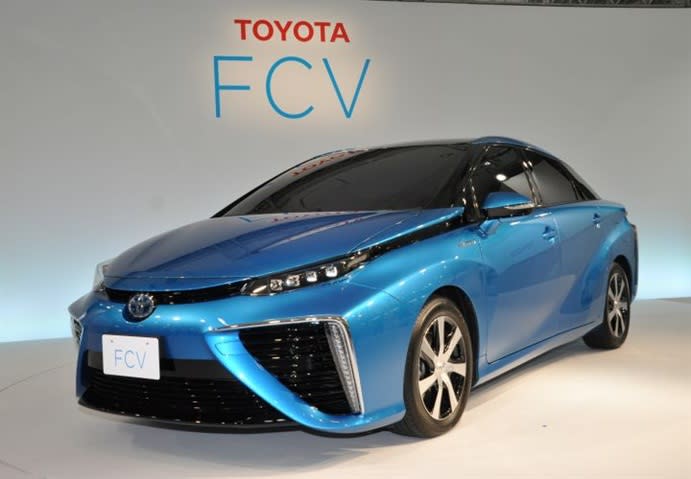
Toyota Mirai
1 min to read
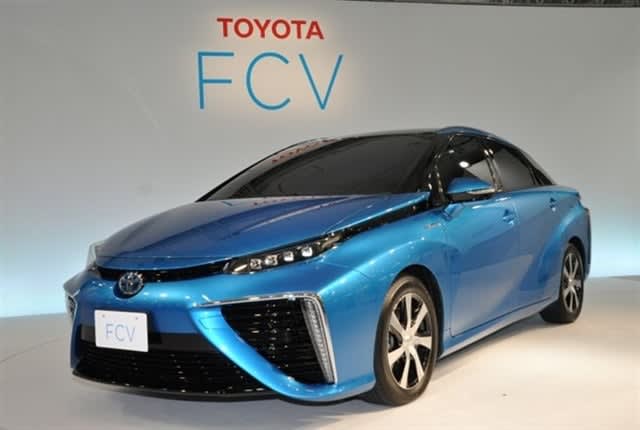
Toyota Mirai
Toyota is hoping to increase adoption of hydrogen fuel cell technology by inviting royalty-free use of an estimated 5,680 global fuel cell patents as it begins marketing and selling its Mirai fuel cell sedan.
The hydrogen fuel cell patents will be available to automakers who produce and sell fuel cell vehicles, along with companies who produce fuel cell parts. The company is "opening the door to the hydrogen future," said Toyota Motor Sales USA's Bob Carter, senior vice president of automotive operations, at the 2015 Consumer Electronics Show in Las Vegas.
The list of patents includes 1,970 patents related to fuel cell stacks, 290 associated with high-pressure hydrogen tanks, 3,350 related to fuel cell system software control and 70 patents related to hydrogen production and supply.
Toyota will offer the patents related to fuel cell vehicles with royalty-free licenses through 2020, while the patents for hydrogen production and supply will remain open for an unlimited duration, according to Toyota.
Toyota has also announced a $7.3 million loan to FirstElement Fuels to support the operations and maintenance of 19 hydrogen fueling stations across California, and collaborated with Air Liquide to develop hydrogen fueling infrastructure in the northeastern U.S. The partnership plans to build 12 hydrogen stations in New York, New Jersey, Massachusetts, Connecticut and Rhode Island.
More Green Fleet
Sponsored•October 1, 2026
New Propane Autogas Program Offers Fleet Compensation
Qualified commercial fleets can receive $7,500 per eligible propane autogas vehicle and up to $10,000 for new refueling site prep. Learn how the program works and see whether your fleet qualifies.
Read More →
EV Charging Use Is Outpacing Infrastructure Growth
ChargePoint’s 2026 Charging Forward Report points to rising charger use, higher-powered charging, commercial vehicle electrification, and energy-management technology. Here’s what fleets should know.
Read More →
Merchants Fleet Reports 290M EV Miles as Fleets Navigate Changing Electrification Market
From millions in operating savings to hundreds of millions of EV miles, Merchants Fleet’s latest report reveals what’s working and what’s changing in fleet electrification.
Read More →
The EV Breakdown Nobody's Talking About: Why Most Electric Vehicle Roadside Calls Aren't Mechanical Failures
Here's why EV breakdowns are widely misunderstood.
Read More →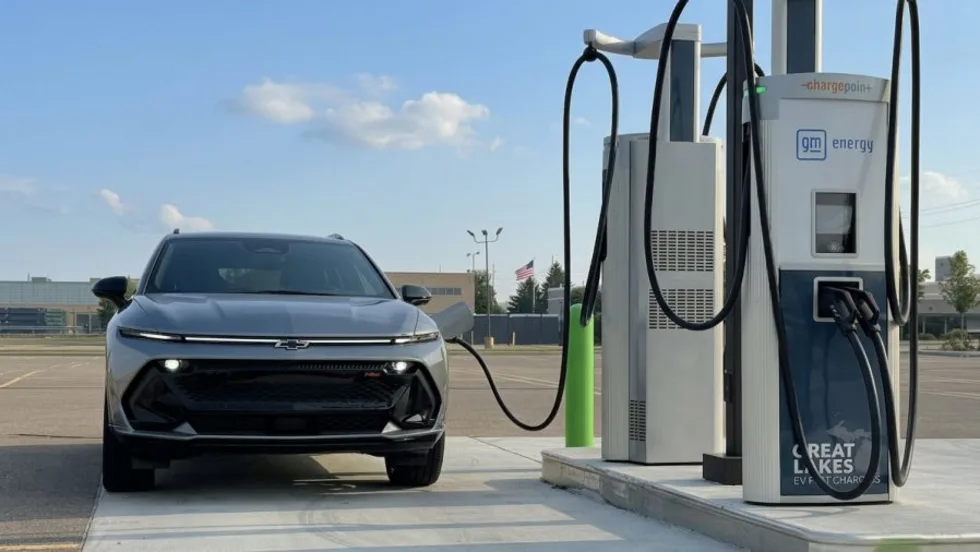
ChargePoint Now Available in Energy Pass
ChargePoint and additional planned charging network integrations were added to GM's Energy Pass.
Read More →

First Look: Slate Auto's Electric Fleet Pickup
Could an affordable, modular EV pickup make electrification more practical for fleets?
Read More →
Slate Debuts Colorful, Unique EV Models
A recent media and client event, studded with electric vehicles dressed up on platforms, planted a new position for the manufacturer in the wider EV market. Fleets will find cost-saving advantages.
Read More →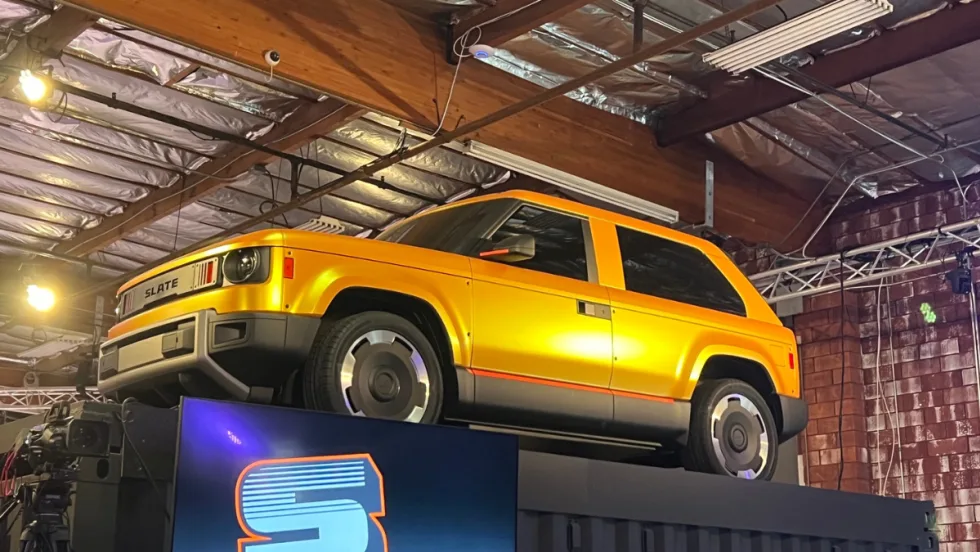
Slate Electric SUV, Pickup Switchable Model Aims For Light-Duty Fleets
Everything about this EV is counterintuitive and understated, making it stand out from the crowd.
Read More →
Inspiration Mobility Acquires Key Electrada Assets
Inspiration Mobility Group has acquired select assets of Electrada, adding the fleet electrification provider's team, technology, and charging infrastructure development capabilities to its energy management business.
Read More →