




Toyota Hopes to Sell 62,000 Hybrid SUVs Worldwide in 2005
TOKYO, JAPAN — Toyota Motor Corp. said on March 22 that it planned to sell a combined 62,000 units of its two new hybrid sport/utility vehicles worldwide this year, with sales starting in most major markets over the next three months, according to Reuters.
TOKYO, JAPAN — Toyota Motor Corp. said on March 22 that it planned to sell a combined 62,000 units of its two new hybrid sport/utility vehicles worldwide this year, with sales starting in most major markets over the next three months, according to Reuters. Unveiling the new Harrier (Lexus RX400h) and Kluger (Toyota Highlander) SUVs in Tokyo, Toyota said it expected monthly sales of 500 units in Japan for each model. Japan’s top auto maker plans to export the models, called RX400h and Highlander in most overseas markets, to North America, Europe and Australia between April and June, aiming to sell a total 52,000 units abroad this calendar year. Sales of fuel-sipping gasoline-electric hybrid vehicles have grown rapidly over the past few years, particularly in the United States and Europe led mainly by Toyota’s aggressive drive to sell 300,000 hybrids annually either by this year or 2006. But the bulk of the sales is expected to come from the U.S. market, where Toyota has said the Lexus RX400h had collected at least 11,000 pre-sale orders before its April launch despite a price premium of about $4,753 over the non-hybrid version. Including other features such as a high-tech stability control system, the RX400h hybrid — the world’s first luxury SUV to mount a hybrid system — costs $8,000 more than the gasoline-only version, at $38,920 in Japan. Toyota said it would eventually aim to boost annual hybrid sales to 1 million units. President Fujio Cho stopped short of providing a specific date for that goal, but said: “If our goal of 300,000 units is reached by this year or next, I think 1 million within the following few years might be possible, but everyone around me says that would be difficult.” Ford Motor Co. last year became the first automaker to sell a hybrid-version SUV, while General Motors Corp. is also aiming to introduce the technology on its bigger vehicles as more consumers seek better fuel efficiency in light of the recent rise in gasoline prices. The new SUVs, being built at a plant in the southern island of Kyushu, are powered by a 3.3L V-6 gasoline engine coupled with an improved hybrid system that gets acceleration comparable to a 5.0L gasoline engine while releasing less harmful emissions. Both SUVs can be driven more than 30 miles on a gallon of gas — comparable to a compact car and a significant improvement over the same models powered by a gasoline engine only.
More Operations
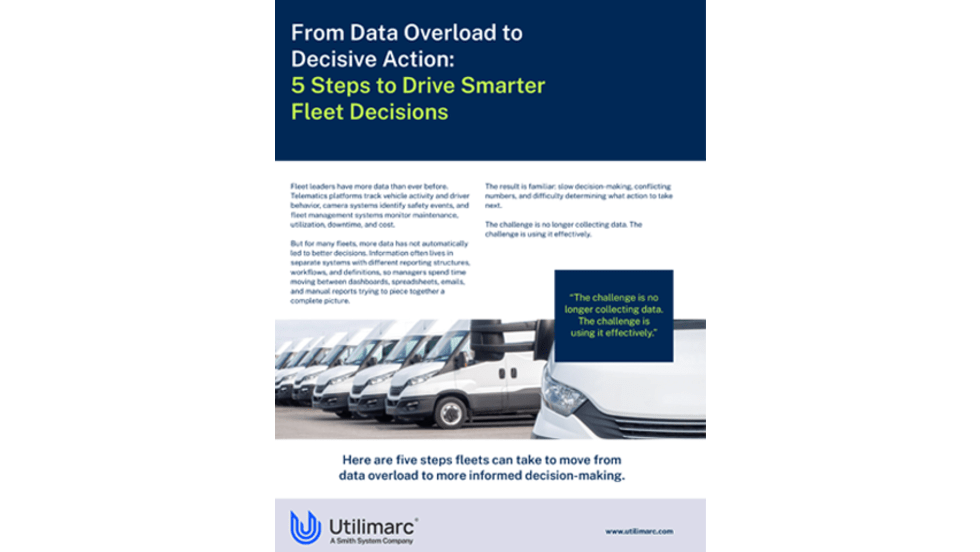
Turn Fleet Data Into Smarter Decisions
Fleet leaders have access to more operational data than ever, but disconnected systems and unclear metrics often slow decision-making instead of improving it. This article outlines five practical steps fleets can take to transform fragmented data into actionable insights that improve planning, safety, utilization, and long-term performance.
Read More →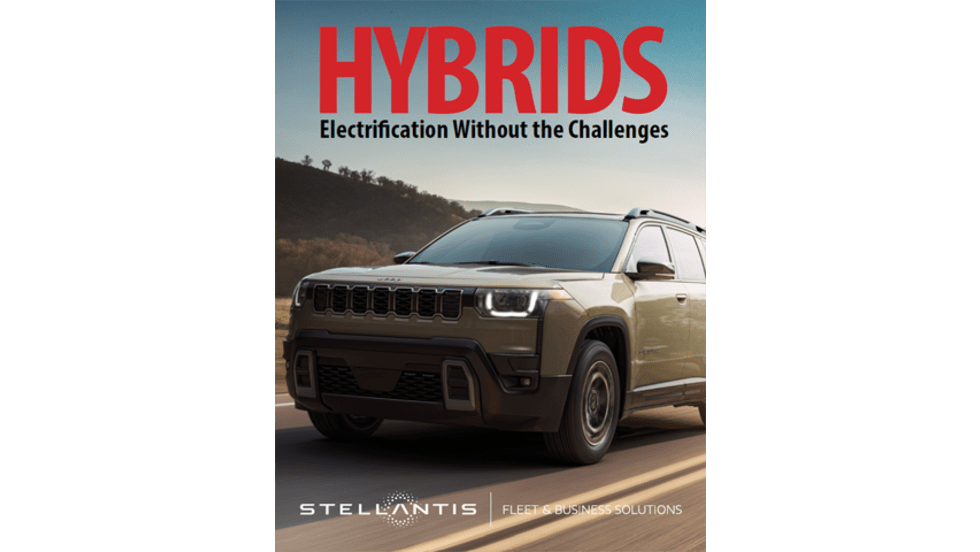
Hybrids: Electrification Without the Challenges
For fleet managers, fuel is one of the biggest line items in the budget — and it's one hybrids can shrink without changing how your people work. Download the eBook to see the numbers, understand the technology, and get a step-by-step guide to making the switch.
Read More →
How NOV Uses Telematics to Improve Fleet Safety Across 160 Locations
James Victory of NOV discusses how the company manages fleet safety, maintenance, and telematics across more than 150 locations supporting oilfield operations throughout the U.S.
Read More →
Fleet Meets: Steven Santostasi
This edition of the Fleet Meets series features Steven Santostasi, the current TSP channel manager for Ford Pro.
Read More →
Why Fleet Managers Are Replacing Departmental Vehicles with Shared Motor Pools
Departmentally assigned vehicles often create hidden costs through underutilization, poor visibility, and increased administrative burden. This white paper explores how shared motor pool strategies help fleets reduce costs, improve accountability, and optimize vehicle utilization.
Read More →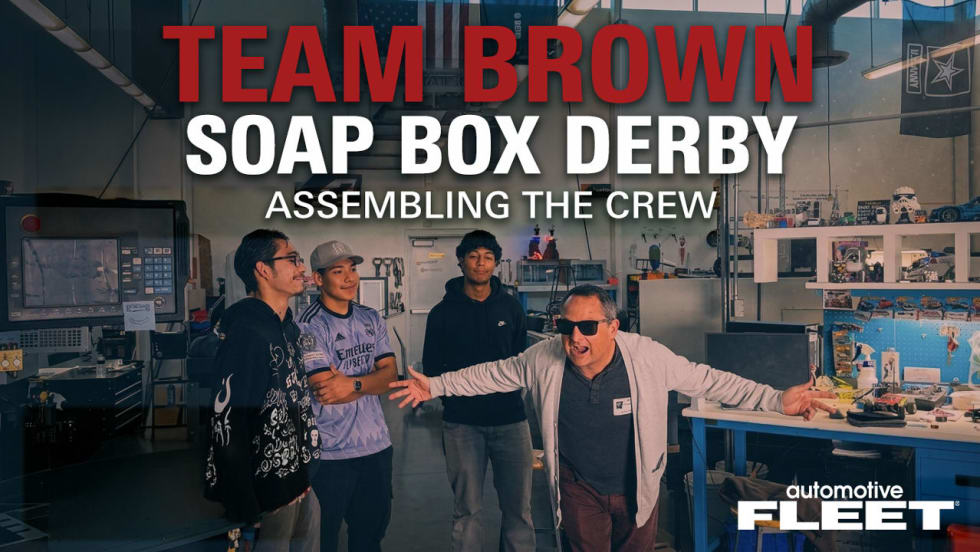
Soap Box Derby Challenge: Assembling the Crew
Meet Gabriel, Matthew, and Angel — the team helping bring this soap box derby build to life.
Read More →
BBL Fleet Acquires Velcor Leasing Corporation
BBL Fleet expanded its footprint in the fleet management industry with the acquisition of Velcor Leasing Corporation of Madison through a stock purchase agreement finalized Feb. 27, 2026.
Read More →
Lytx Introduces New AI Fleet Technologies at Protect 2026
The company introduced new AI-driven fleet safety and operations technologies during its annual user conference.
Read More →
Fleet Costs Are Rising: Here’s How Leaders Are Responding
Fleet leaders are under pressure to reduce costs, adapt to economic uncertainty, and make smarter decisions. See how peers across North America are responding with real data, proven strategies, and forward-looking insights. Download the 2026 Market Pulse Report to benchmark your strategy and uncover where you can gain an edge.
Read More →
From Waffle House to AI: Fleet Trends You Need to Know
In this AF news recap, host Faith Howell covers how Waffle House stepped up during disaster response and new AI tech on the market.
Read More →