




Toyota Ends Scion Experiment
The model-year 2017 Scion vehicles will be rebadged as Toyota beginning this August, with the FR-S sports car, iA sedan and iM five-door hatchback expected to become part of the Toyota family.
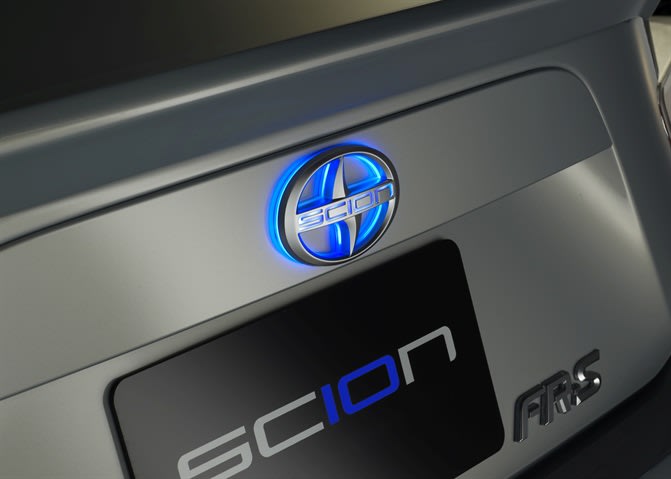
Photo courtesy of Toyota.
Photo courtesy of Toyota.
Toyota’s Scion experiment had ended, with the automaker announcing on Wednesday that the youth-geared brand will be transitioned back into the Toyota brand. The announcement comes almost 13 years after the automaker established Scion as a separate brand to explore new products and processes that attract youth customers.
The automaker said model-year 2017 Scion vehicle will be rebadged as Toyota beginning this August, with the FR-S sports car, iA sedan and iM five-door hatchback expected to become part of the Toyota family. The tC sports coupe, however, will have a final release series edition and end production in August. The C-HR, which debuted at the Los Angeles Auto Show, will also become part of the Toyota lineup.
“This isn’t a step backward for Scion; it’s a leap forward for Toyota. Scion has allowed us to fast-track ideas that would have been challenging to test through the Toyota network,” said Jim Lentz, founding vice president of Scion and now CEO of Toyota Motor North America. “I was there when we established Scion and our goal was to make Toyota and our dealers stronger by learning how to better attract and engage young customers. I’m very proud because that’s exactly what we have accomplished.”
Service and repairs for Scion customers will remain unaffected by the change, officials said, as customers will continue visiting Toyota dealership service departments.
More than a million Scion cars have been sold since the brand was established in June 2003, with the automaker noting that 70% of those purchases were made by customers new to Toyota. Additionally, 50% of those purchases were made by buyers under the age of 35.
The automaker claimed in its press releasing announcing the decision that the average age of the Scion buyer was 36, with the average age of the tC sports coupe buyer coming in at 29 — the lowest average age buyer in the industry.
As for the 22 dedicate Scion team members who handle sales, marketing, distribution, strategy, and product and accessory planning, the automaker said they will have the opportunity to take on jobs at Toyota Motor Sales in Torrance, Calif. Scion regional representatives will assume different responsibilities in their respective Toyota sales offices.
“Scion has had some amazing products over the year and our current vehicles are packed with premium features at value prices,” said Andrew Gilleland, an executive with Scion. “It’s been a great run and I’m proud that the spirit of Scion will live on through the knowledge and products soon to be available through the Toyota network.”
The Scion brand gave birth to several products, sales and marketing process, including the brand’s no-haggle Pure Pricing and Pure Process Plus online car-buying process. Personalization was also big with the brand, with buyers offered an array of accessories from which to choose.
The brand also served as a training ground for Toyota execs. Aside from Lentz, Mark Templin, managing officer for Toyota Motor Corp. and executive vice president of Lexus International, Jack Hollis, group vice president of Toyota marketing, and Doug Murtha, group vice president of corporate strategy and planning for Toyota Motor North America, held roles with Scion.
The brand’s best year in terms of sales was 2006, when Scion sold 173,034 units. Sales, however, never topped 100,000 units after that. In 2015, the Scion brand sold 56,167 units.
“We appreciate our 1,004 Scion dealers and the support they’ve given the brand,” said Bob Carter, Toyota senior vice president of automotive operations. “We believe our dealers have gained valuable insights and have received a strong return on their investment. During this time of transition, we will work closely with them to support this process and help communicate this change to customers.”
Editor's note: This story first appeared on F&I and Showroom's website.
More Operations
Here's When You Should Make an Exception to Fleet Policy
Fleet policies are designed to create consistency, but not every driver or situation fits neatly within standard rules.
Read More →
AI-Native or AI-Acquired: What Should Fleet Managers Look for in an AI Platform?
Six questions can help fleet managers look beyond AI marketing claims to evaluate integration, data access, and real-world operational performance.
Read More →
A buyer's guide to fleet management software in 2027
Buying fleet management software in 2027 means looking beyond features and price. As fleet operations, technology and expectations evolve, this guide explores what today’s fleet professionals should consider when choosing a system that can deliver value now and adapt to what comes next.
Read More →

What Will Shape the Next Era of Fleet Management?
EVs, AI, and autonomous vehicles are reshaping fleet management. Discover what’s ahead—and how fleet leaders can prepare for the next era.
Read More →
How Fleets Can Recruit and Train Veterans for Technician Roles
Here's how the technician shortage has affected uptime for fleets, and what to do about it.
Read More →
Avis Budget Group Deploys Neology Toll Management Technology Across Major Brands
Neology’s neoFleet platform will manage toll transactions and toll-authority operations for vehicles across Avis, Budget, Payless, Budget Truck and Zipcar.
Read More →
Fleet Personal-Use Charges Edge Higher in 2026
Nearly eight in 10 surveyed fleets allow personal use of company vehicles, while just over half of respondents report charging employees for the privilege.
Read More →
The Future of Fleet + What’s Changing Right Now | AF News Recap
Could developments overseas offer a preview of what’s coming for U.S. fleets? This week, we’re looking at the future of AI, autonomy, and electrification, plus Ford Pro’s new certified pre-owned program, smarter vehicle offboarding, and a new way for fleets to manage toll expenses.
Read More →
How to Handle Vehicle Offboarding
What do fleet managers need to do when a driver leaves?
Read More →
Fleet Manager’s Ultimate Playbook: Navigating the New Standard in OEM Connectivity
Rising operating costs, driver safety concerns, and unplanned downtime are putting unprecedented pressure on modern fleets. Discover how fleet managers use embedded OEM connectivity and real-time vehicle data to cut TCO, prevent downtime, and protect drivers without aftermarket telematics hardware.
Read More →