




Tips to Combat Auto Theft
COLUMBUS, Ohio --- According to the National Insurance Crime Bureau (NICB), there is an average of 1.2 million motor vehicle thefts each year, making vehicle theft the nation's No. 1 property crime.
COLUMBUS, Ohio --- According to the National Insurance Crime Bureau (NICB), there is an average of 1.2 million motor vehicle thefts each year, making vehicle theft the nation's No. 1 property crime.
"The good news is that there are a few tips you can follow and devices you can have installed to keep your vehicle from becoming a target," said Mark Russell, vice president and chief administrative officer at Grange Insurance and chairman of the board for the NICB. "Driving a vehicle with anti-theft devices not only deters thieves but can also help reduce your overall insurance premiums."
Before purchasing a used vehicle, Russell advises researching the vehicle's history since most stolen vehicles are sold to unsuspecting consumers. To assist motorists in determining whether a vehicle has been reported as stolen, the NICB manages VINCheck, a database that contains a list of vehicles that have been reported stolen but not recovered.
To perform a search in the database, consumers need to provide a vehicle identification number (VIN), which can be found on a metal plate in the engine compartment or etched onto the vehicle's windows or lamps. For more information about VINCheck or to perform a vehicle search, visit www.nicb.org.
"A significant number of vehicles are stolen each year because people unwittingly make it easy for thieves," said Robert M. Bryant, president and chief executive officer of the NICB. "The easiest and most cost-effective protection against vehicle theft is to simply lock your car and take your keys. Beyond that, the additional safeguards below will deliver more security and peace of mind."
According to the NICB, the most sought-after vehicle by auto thieves is the Honda Civic, and the Midwest city with the highest number of auto thefts is Detroit.
Grange Insurance suggests the following tips to safeguard your vehicle:
** An unlocked vehicle with the key in the ignition is an open invitation to any thief, regardless of which anti-theft device you use. It is always best to lock your car even if you are only parked for a brief period of time.
** Having a visible or audible device that alerts thieves that your vehicle is protected is another good way to ensure that your car remains where you left it. Popular devices include audible alarms, steering column collars, brake or wheel locks, tire deflators, theft deterrent decals, window etching and laminated glass.
** Another good method is having a device that prevents thieves from bypassing your ignition and hot-wiring the vehicle. Some of these electronic gadgets have computer chips in the ignition keys. Others inhibit the flow of electricity or fuel to the engine until a hidden button or switch is activated. Recommended devices include smart keys, fuse cut-offs, kill switches and starter, ignition and fuel disablers.
** A tracking system emits a signal to your local police station or monitoring station once the vehicle has been reported stolen. Tracking devices, such as OnStar, are very effective in helping authorities recover stolen vehicles. In the unfortunate event that your vehicle is stolen, Grange recommends taking the following action:
-- Contact your local police department as soon as possible.
-- Make sure you have your vehicle information available. This includes year, make, model, color, license plate number, approximate time of theft, location of theft and if there are any eyewitnesses.
-- Contact your insurance company. To help expedite your claim, make sure to have your policy number and details of the incident ready to give to your auto insurance agent.
"Just like your home, your vehicle is an important and expensive asset to protect," said Russell. "Taking the steps to proactively protect your vehicle can greatly minimize your chances of becoming an auto theft victim."
More Safety

Nexar-Nauto Merger Aims to Give Fleets Better Safety Intelligence Through Larger Driving Dataset
Stefan Heck tells Automotive Fleet that combining more than 10 billion miles of driving history with Nexar's AI models will give fleets deeper insights into driver risk and roadway conditions than either company could provide independently.
Read More →
Don't Wait for a Crisis: 5 Ways to Build Mental Health Into Your Fleet Safety Program
For Suicide Prevention Month, fleet and safety leaders have an opportunity to put mental health where it belongs: at the center of workplace safety.
Read More →
How Camera Data Can Strengthen a Fleet’s Insurance Renewal
Insights from a commercial insurance carrier and a broker show how fleets can turn video telematic data, driver coaching, and improved claims results into a stronger case at insurance renewal.
Read More →
The Safest Fleets Aren’t the Ones with the Most Technology
You’ve made the telematics investment. Here’s how to capture the other half of its value and build the safest fleet on the road.
Read More →
Hidden in Plain Sight: Fleet Compliance Risks
Fleet compliance isn't just about having policies — it's about consistently enforcing them. This practical guide reveals six hidden compliance risks common in public sector and shared fleet operations and outlines proven strategies to improve visibility, accountability, and audit readiness
Read More →
NETS Sets 2026 Fleet Safety Benchmark Conference for Indianapolis
The Sept. 15–17 program will feature fleet benchmarking data, case studies, emerging technologies, and implementation strategies while running alongside the NSC Safety Congress & Expo.
Read More →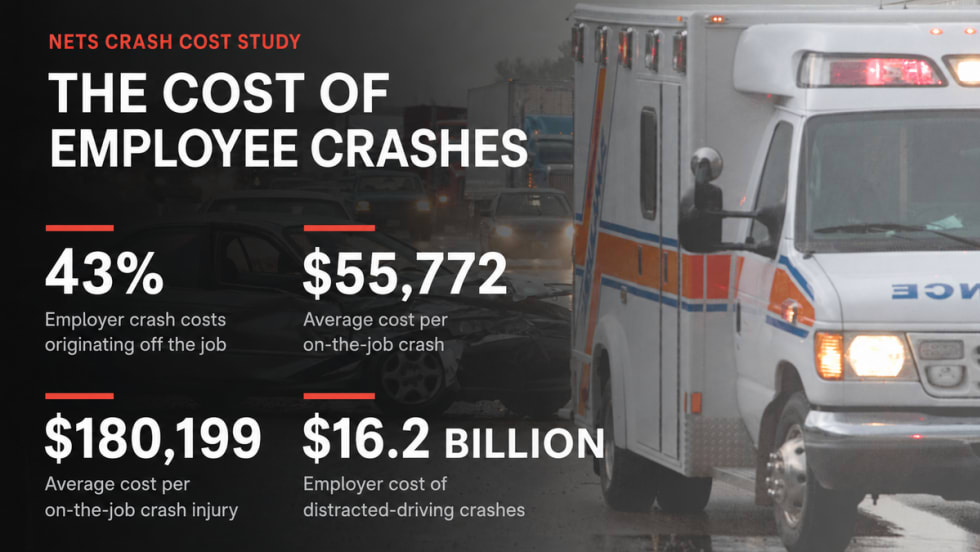
Off-the-Job Crashes Account for 43% of Employers’ $61.7 Billion Crash Burden
NETS quantifies costs dispersed across fleet, risk, HR, and other departments while providing new per-crash benchmarks for employers.
Read More →
Ram Recalls More Than 1.27 Million 1500 Pickups for Seat Belt Anchor Issue
The recall affects certain 2019-2026 Ram 1500 pickups that may have improperly attached second-row seat belt buckle anchors.
Read More →
How Better Visibility Cut Speeding Violations by 48%
Fleet leaders don't need more data, they need clearer visibility into what the data is saying. This case study explores how one utility replaced speeding-event counts with a single metric — miles driven in violation — to strengthen safety and significantly reduce speeding violations.
Read More →
Operation Safe Driver Week: Why the Industry's Oldest Safety Campaign Still Matters to Fleets
A look at how a 2007 enforcement initiative became one of the most consequential weeks on the fleet safety calendar, and what it means for your drivers in 2026.
Read More →