




The New Volvo C30, S40, and V50 1.6D DRIVe
GOTHENBURG, SWEDEN – At the Paris Motor Show in early October, Volvo Cars will present economical new diesel variants of the C30, S40, and V50 models with fuel consumption of just 4.4L/100 km (C30) or 4.5L/100 km (S40 and V50).
GOTHENBURG, SWEDEN – At the Paris Motor Show in early October, Volvo Cars will present economical new diesel variants of the C30, S40, and V50 models with fuel consumption of just 4.4L/100 km (C30) or 4.5L/100 km (S40 and V50). The corresponding CO2 figures of 115 and 118 g/km mean that the C30 and V50 have best-in-class CO2 emissions in their segments. All three models are equipped with a special set of efficiency-enhancing features and marked with the DRIVe emblem to signal their up-rated environmental properties.
The DRIVe models are based on the Volvo C30 Efficiency concept car that was shown at the Frankfurt motor show in October 2007. The measures adopted to reduce CO2 emissions that were presented then will be in production before the end of the year in the C30, S40, and the V50.
“We wanted to demonstrate that low CO2 ratings are not solely the preserve of small diesel cars. By offering the Volvo V50 with emission levels below 120 g CO2/km, we are also making it possible for families and other customers who require extra space to make an active pro-environmental choice,” said Volvo Cars President and CEO Fredrik Arp.
The reduction in fuel consumption and CO2 emissions was brought about by reduced air resistance, lower rolling resistance, and higher ratios.
Volvo’s DRIVe cars are all certified according to the mandatory European NEDC standard. In addition, the Volvo C30 has excelled in the ECO test, which carries out even more comprehensive measurements of CO2 and particulate emissions. This certification process relies on stars and points, in a similar way to the EuroNCAP program for safety. The independent ECO test places the Volvo C30 at the top of its size category, with four stars and 76 points in the overall assessment of the car’s total environmental performance.
Volvo Cars expects to sell over 20,000 1.6D DRIVe cars next year in Europe. Sales are expected to spread fairly uniformly throughout the region, with France, Sweden, and Spain accounting for most sales. The reason for this is the particularly favorable terms offered to buyers in these countries.
The price supplement for the DRIVe package is estimated at between 150 and 450 euros depending on model and market. The DRIVe cars can be specified with most of the options and accessories that Volvo offers, apart from those that affect the cars’ aerodynamic properties.
Volvo Cars is also conducting intensive research into hybrid technology and future alternative fuels. The attention-grabbing Volvo ReCharge Concept plug-in hybrid and Ford Motor Company’s decision to establish its European hybrid centre in Volvo’s home town, Göteborg, clearly highlight the environment-technology potential there is within the company.
More Operations
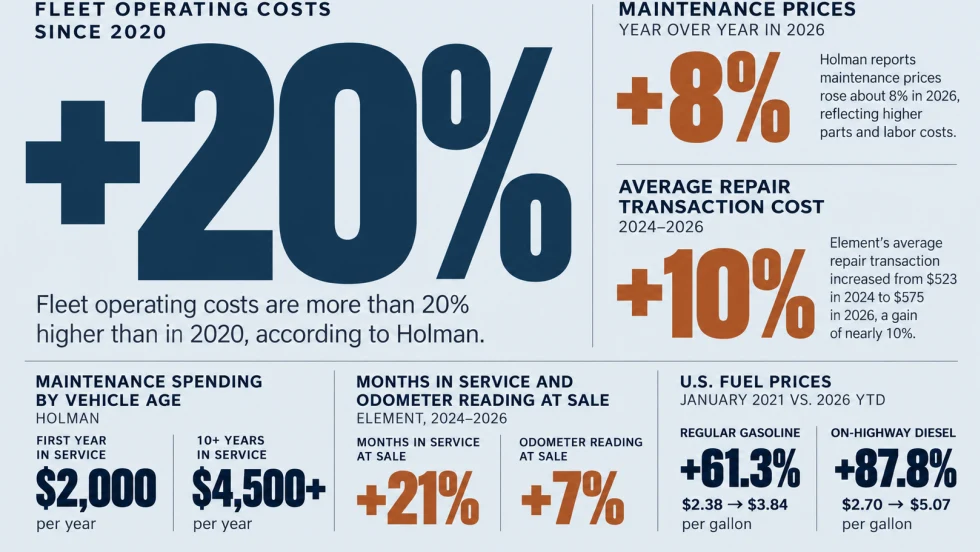
Managing Fleet Costs in an Era of Permanent Volatility
Fleet operating costs have risen more than 20% since 2020, raising a key question: When does extending a vehicle's service life stop making financial sense?
Read More →
The Next Evolution of Fleet Management: Autonomous Operations
This opening keynote session at the Fleet Forward Conference highlights the future of autonomous driving for fleets.
Read More →
How to Reduce the Total Cost of Risk From Catalytic Converter Theft
A stolen catalytic converter can cost fleets far more in downtime and lost productivity than in repairs. A total-cost-of-risk approach can help fleet managers quantify their exposure and prioritize theft prevention.
Read More →

Personal-Use Charges Rise as Vehicle Values Fall | AF News Recap
Personal-use charges are climbing, wholesale used-vehicle values are declining, and commercial fleet sales growth is slowing. This week, we're breaking down the latest fleet data, plus how Element Fleet Management is helping Waymo prepare for its first Canadian robotaxi market.
Read More →
Here's When You Should Make an Exception to Fleet Policy
Fleet policies are designed to create consistency, but not every driver or situation fits neatly within standard rules.
Read More →
AI-Native or AI-Acquired: What Should Fleet Managers Look for in an AI Platform?
Six questions can help fleet managers look beyond AI marketing claims to evaluate integration, data access, and real-world operational performance.
Read More →
A buyer's guide to fleet management software in 2027
Buying fleet management software in 2027 means looking beyond features and price. As fleet operations, technology and expectations evolve, this guide explores what today’s fleet professionals should consider when choosing a system that can deliver value now and adapt to what comes next.
Read More →
What Will Shape the Next Era of Fleet Management?
EVs, AI, and autonomous vehicles are reshaping fleet management. Discover what’s ahead—and how fleet leaders can prepare for the next era.
Read More →
How Fleets Can Recruit and Train Veterans for Technician Roles
Here's how the technician shortage has affected uptime for fleets, and what to do about it.
Read More →
Avis Budget Group Deploys Neology Toll Management Technology Across Major Brands
Neology’s neoFleet platform will manage toll transactions and toll-authority operations for vehicles across Avis, Budget, Payless, Budget Truck and Zipcar.
Read More →