




The Cleanest Diesel Is Also Ultra-Efficient
INGOLSTADT, GERMANY – The new Audi Q7 3.0 TDI with ultra low emission system is the cleanest diesel in the world, and an extremely economical form of propulsion into the bargain.
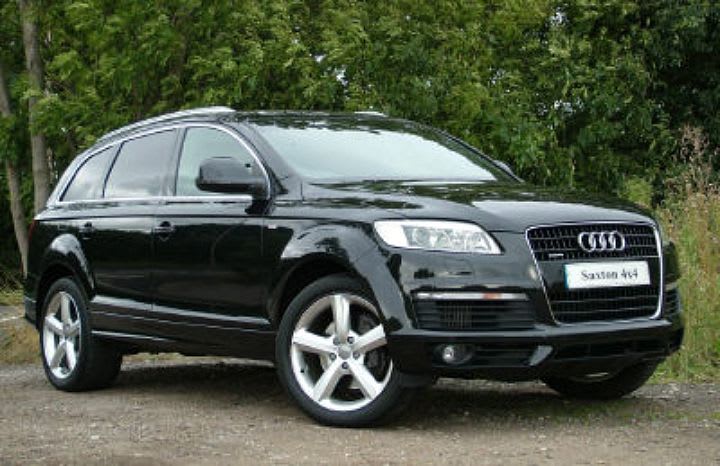
Audi Q7 3.0L TDI
INGOLSTADT, GERMANY – The new Audi Q7 3.0 TDI with ultra low emission system is the cleanest diesel in the world, and an extremely economical form of propulsion into the bargain, the manufacturer said. This was demonstrated on the recent first leg of the Audi Mileage Marathon, from New York to Washington. The best participants in this test criss-crossing the American continent achieved an average fuel consumption of 7.4 liters per 100 kilometers (31.79 US mpg).
The starting flag went up on the Audi Mileage Marathon at nine o’clock on a Monday morning in New York’s Central Park. The endurance test for this fleet of 23 vehicles from the Audi Q7, Audi Q5, Audi A4, and Audi A3 car lines started with a battle through the heavy traffic of Manhattan. By Oct. 20, the fleet will have covered almost 8,000 kilometers (around 5,000 miles) on its way to Los Angeles, passing through major U.S. cities. 184 drivers from all over the world will be testing both the sportiness and efficiency of the TDI models on this tour.
The Audi Q7 3.0 TDI’s exhaust emission control system reduces nitrogen oxides by as much as 90 percent, complying with the world’s toughest emission standard, California’s ULEV II BIN 5. And, it already undercuts the limit values of the Euro 6 standard that will not come into force until 2014.
The very first leg of the tour, which was a particularly challenging combination of urban traffic and stop-and-go conditions on the highway, showed that fuel efficiency has not been sacrificed in the process. The most successful representatives of this model achieved fuel consumption of 7.4 liters per 100 kilometers (31.79 US mpg), while other teams managed figures ranging between 7.6 and 7.9 liters (29.77 to 30.95 US mpg) — an outstanding achievement for an SUV with up to seven seats, quattro drive, and excellent road performance thanks to an engine output of 165 kW (225 hp) plus peak torque of 550 Nm (405 lb-ft). Volume production of the Audi Q7 3.0 TDI with ultra low emission system will start later on this year, and its market launch in both the United States and Europe is scheduled for 2009.
The other Audi models also made an impressive showing. First, the Audi A3 2.0 TDI developing 103 kW (140 hp), with S tronic transmission. Its best fuel consumption figure was less than five liters per 100 kilometers (in excess of 47.04 US mpg). The best team in an Audi A4 3.0 TDI quattro achieved just under six liters per 100 kilometers (in excess of 39.2 US mpg), while the new performance SUV Audi Q5 3.0 TDI quattro delivered sensational proof of its efficiency, at 6.2 liters per 100 km (37.94 US mpg).

More Operations
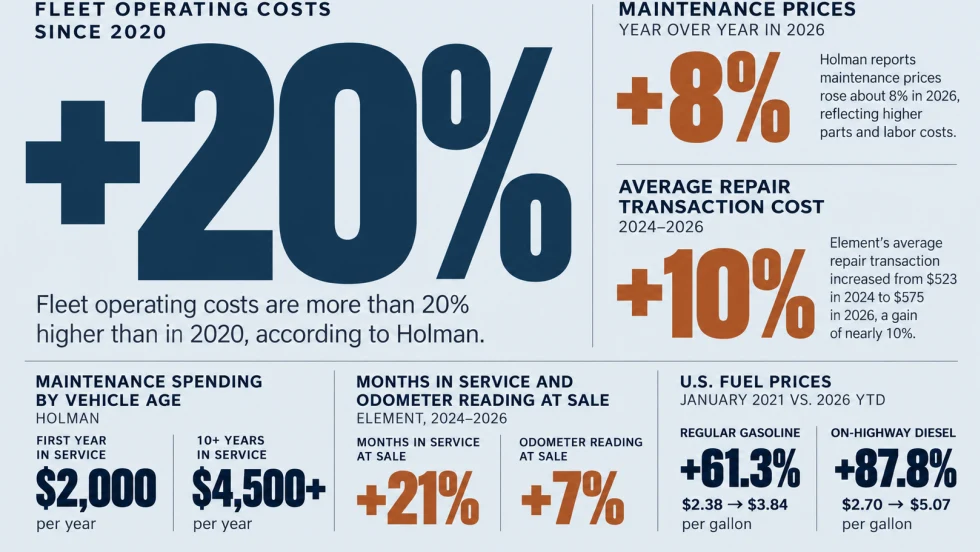
Managing Fleet Costs in an Era of Permanent Volatility
Fleet operating costs have risen more than 20% since 2020, raising a key question: When does extending a vehicle's service life stop making financial sense?
Read More →
The Next Evolution of Fleet Management: Autonomous Operations
This opening keynote session at the Fleet Forward Conference highlights the future of autonomous driving for fleets.
Read More →
How to Reduce the Total Cost of Risk From Catalytic Converter Theft
A stolen catalytic converter can cost fleets far more in downtime and lost productivity than in repairs. A total-cost-of-risk approach can help fleet managers quantify their exposure and prioritize theft prevention.
Read More →

Personal-Use Charges Rise as Vehicle Values Fall | AF News Recap
Personal-use charges are climbing, wholesale used-vehicle values are declining, and commercial fleet sales growth is slowing. This week, we're breaking down the latest fleet data, plus how Element Fleet Management is helping Waymo prepare for its first Canadian robotaxi market.
Read More →
Here's When You Should Make an Exception to Fleet Policy
Fleet policies are designed to create consistency, but not every driver or situation fits neatly within standard rules.
Read More →
AI-Native or AI-Acquired: What Should Fleet Managers Look for in an AI Platform?
Six questions can help fleet managers look beyond AI marketing claims to evaluate integration, data access, and real-world operational performance.
Read More →
A buyer's guide to fleet management software in 2027
Buying fleet management software in 2027 means looking beyond features and price. As fleet operations, technology and expectations evolve, this guide explores what today’s fleet professionals should consider when choosing a system that can deliver value now and adapt to what comes next.
Read More →
What Will Shape the Next Era of Fleet Management?
EVs, AI, and autonomous vehicles are reshaping fleet management. Discover what’s ahead—and how fleet leaders can prepare for the next era.
Read More →
How Fleets Can Recruit and Train Veterans for Technician Roles
Here's how the technician shortage has affected uptime for fleets, and what to do about it.
Read More →
Avis Budget Group Deploys Neology Toll Management Technology Across Major Brands
Neology’s neoFleet platform will manage toll transactions and toll-authority operations for vehicles across Avis, Budget, Payless, Budget Truck and Zipcar.
Read More →