




The 2026 Subaru Outback Returns with New Tech
Updates on next year's Subaru Outback include a variety of next-gen technologies.

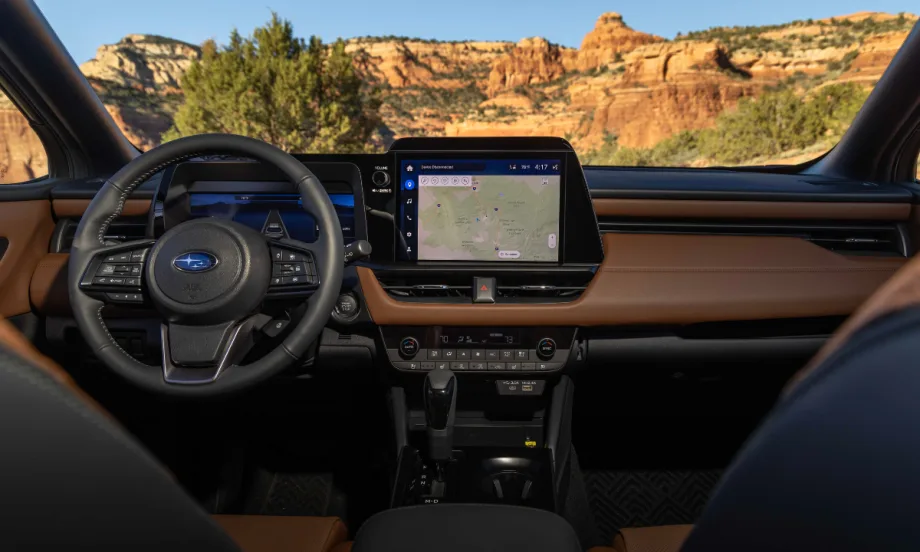
The 2026 Subaru Outback features updated infotainment, expanded driver-assist functions, and a new 12.1-inch multimedia system.
Photo: Subaru
The 2026 Subaru Outback features an updated infotainment package built around a Subaru-specific 12.1-inch multimedia system.
The display offers higher resolution, increased brightness, and anti-glare enhancements, reducing external light reflection by approximately 80% compared to the previous generation’s 11.6-inch display.
The system is powered by a Qualcomm Snapdragon 8 Automotive processor. It features octa-core architecture for power and efficiency, Adreno GPU for smoother graphics, and supports advanced tasks such as voice recognition and image processing. Using external modules, the system supports Wi-Fi 5 and Bluetooth 5.2, while a Spectra ISP enhances camera performance with HDR and low-light capabilities.
The new platform delivers approximately 2.5 times faster computing performance, with memory doubled from 4 GB to 8 GB and storage expanded from 64 GB to 128 GB. These upgrades increase system response times, with map swipe performance up to three times faster, audio screen transitions up to six times faster and scroll response up to twice as fast. These upgrades support faster response times to driver inputs and improved voice-command processing.
The multimedia display supports access to Google Services, including the Google Assistant for voice control, entertainment, and select app functionality. Drivers can manage key vehicle functions within the display, including cabin and seating climate control, drive modes, and create personalized profiles for individualized settings, preferences, and saved locations. The system also offers features designed for safety and ease of use with automatic updates.
The Outback includes wireless Apple CarPlay, Android Auto connectivity, and SiriusXM 360L audio featuring newly launched artist stations with a 4-month trial. Available on select trim levels, TomTom hybrid cloud navigation delivers real-time guidance, natural voice assistance, and continuously updated maps. The system can also integrate with Google Maps via Android Auto. A transparent data interface provides clarity and control over how vehicle information is used.
Also new to the 2026 Subaru Outback is a 12.3-inch digital gauge cluster providing customizable views and an Adaptive Cruise Control display. Drivers can configure the cluster to highlight navigation, safety alerts, or performance information depending on driving conditions
EyeSight and DriverFocus
The latest version of EyeSight debuts on the all-new 2026 Subaru Outback, bringing a wider range of safety features and driver-assist functions. The Outback adds acceleration override assist and front and side alert assist with braking, which actively positions the vehicle to reduce collision risk. For the first time in any Subaru vehicle, Emergency Stop Assist with Safe Lane Selection is making its debut on the new Outback.
Supporting these new capabilities is the second-generation DriverFocus Distraction Mitigation System. The upgraded system features a wider-angle, higher-resolution camera, improved processing, and infrared LEDs that can track eye-gaze through most sunglasses or eyeglasses. These updates improve the detection of driver posture, position, and drowsiness, which can assist with EyeSight safety alerts. In addition to safety functions, DriverFocus includes driver-recognition features such as automatic seat, mirror, and climate settings.
Advanced Driving Assist Systems
Exclusive to Touring and Touring XT trims, new advanced driving assist systems expand EyeSight capability by integrating GPS data, 3D high-definition maps, millimeter-wave radar, and a camera-based system. These inputs are designed to increase system accuracy and expand available driver-assist functions.
The system activates on highways with at least two lanes when supporting sensors are active. It provides advanced adaptive cruise control and limited hands-free assist, along with specific features like highway active lane change assist, highway automatic resume assist, highway pre-curve speed control, and emergency stop assist with safe lane selection. The advanced driving assist system status is shown in the digital gauge cluster, where green icons indicate hands-on assist, and blue icons confirm highway hands-free assist.
Highway Active Lane Change Assist
When driving at 50 mph or faster with lane centering active, signaling a lane change allows Highway Active Lane Change Assist in the 2026 Subaru Outback to automatically steer into the adjacent lane if conditions are safe. Notifications appear in the gauge cluster, confirming availability and displaying an adjacent-lane ghost display to support the driver. Steering automatically adjusts to help with the turn, and the driver must keep their hands on the wheel and eyes on the road at all times.
Automatic Resume Assist
Integrated with advanced adaptive cruise control, automatic resume assist can restart the vehicle after stopping in traffic. The allowable stop time has been extended from 3 seconds to approximately 30 seconds. This extension reduces the need for driver accelerator input in stop-and-go conditions.
Highway Hands-Free Assist
On most interstate highways, EyeSight highway hands-free assist in the Outback Touring and Touring XT trim levels can provide limited hands-free operation once advanced adaptive cruise control is active. DriverFocus monitors the driver to ensure that control can be transferred back to the driver at any time. If DriverFocus detects that the driver isn’t paying attention, the system will disengage and prompt the driver to place their hands on the wheel and resume control.
Pre-Curve Speed Control
Using map data, pre-curve speed control anticipates upcoming turns and adjusts vehicle speed based on curve characteristics. The gauge cluster indicates when the system is active, displaying either a green or a blue indicator; both indicate normal operation, while an orange indicator means the function is not active. Once the curve is completed, the vehicle automatically returns to the set speed. The system can reduce the frequency of driver-initiated braking and acceleration.
Emergency Stop Assist
If the driver becomes unresponsive while using advanced adaptive cruise control, emergency stop assist with safe lane selection will signal the driver with audio, visual, and haptic alerts combined with pulse braking. If no response is detected, the vehicle automatically slows and, when possible, moves safely to the road shoulder before stopping. Once the vehicle has come to a stop, hazard lights will turn on and automatically notify emergency services while unlocking all doors. Compared to earlier systems that stopped within the lane, this function is designed to move the vehicle out of active lanes when possible.
More Vehicle Research
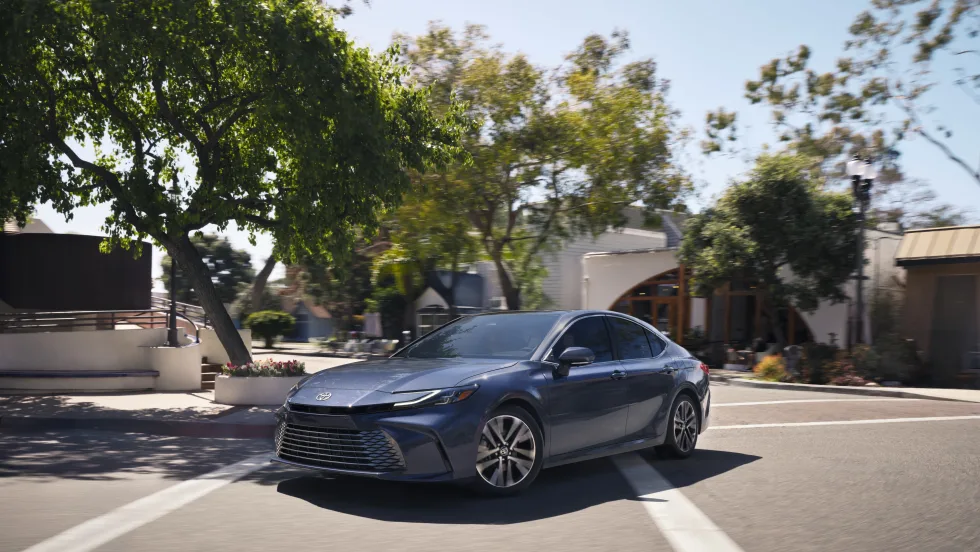
2027 Toyota Camry Offers Hybrid Powertrain Across Five Grades
The 2027 Toyota Camry is a carryover with new pricing.
Read More →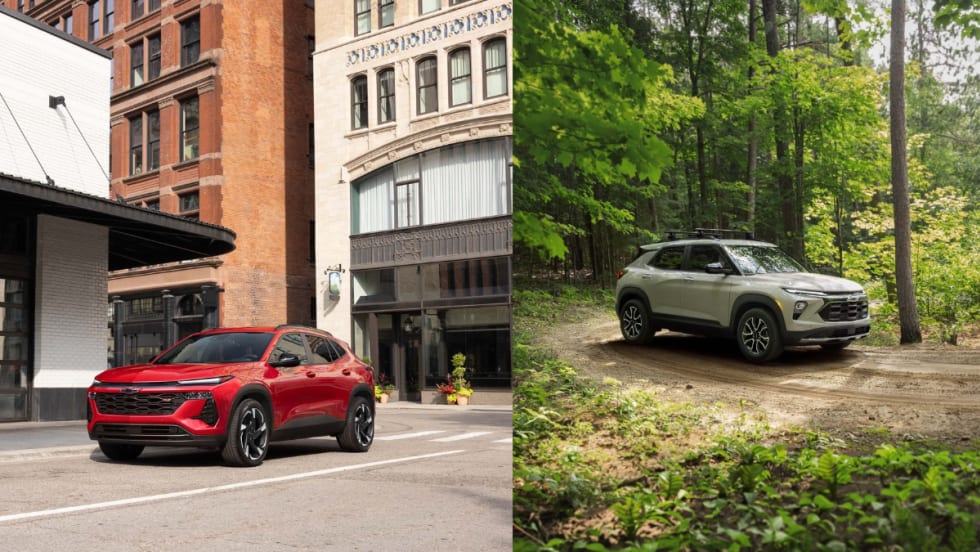
Chevrolet Updates 2027 Trax and Trailblazer with More Standard Safety Features
Chevrolet is updating two of its smallest SUVs with added driver-assistance technology, redesigned interiors, and revised trim options. The changes could add more safety equipment as standard for commercial fleets, while a new Trailblazer configuration adds another all-wheel-drive option.
Read More →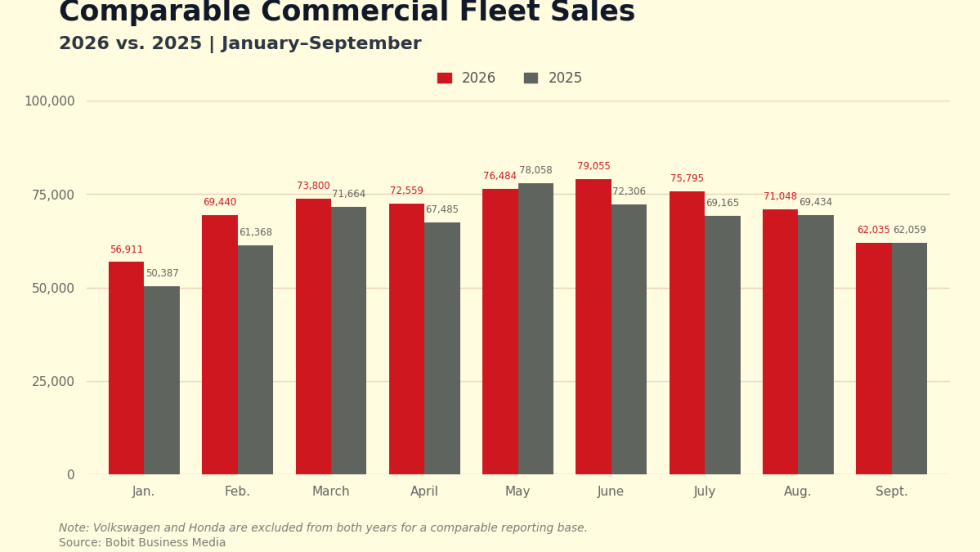
Commercial Fleet Sales Rise 5.8% Through September 2026
September commercial fleet sales were essentially unchanged from a year earlier, slowing year-to-date growth while keeping volume ahead of 2025.
Read More →
Hall of Fame Inductee: John Dmochowsky
The longtime Mondelēz International fleet executive joins the Automotive Fleet Hall of Fame.
Read More →
Hall of Fame Inductee: Lee Miller
After more than four decades at Boehringer Ingelheim, Lee Miller leaves a legacy built on fleet expertise.
Read More →
Hall of Fame Inductee: Mark F. Petersen
From managing fleets of thousands of vehicles to advancing safety and mentoring fellow professionals, Mark F. Petersen made his mark across both the corporate and supplier sides of fleet.
Read More →
When Charger Downtime Becomes a Fleet Availability Problem
As EV deployments move beyond pilot programs, charger reliability can directly affect vehicle readiness, driver productivity and route scheduling.
Read More →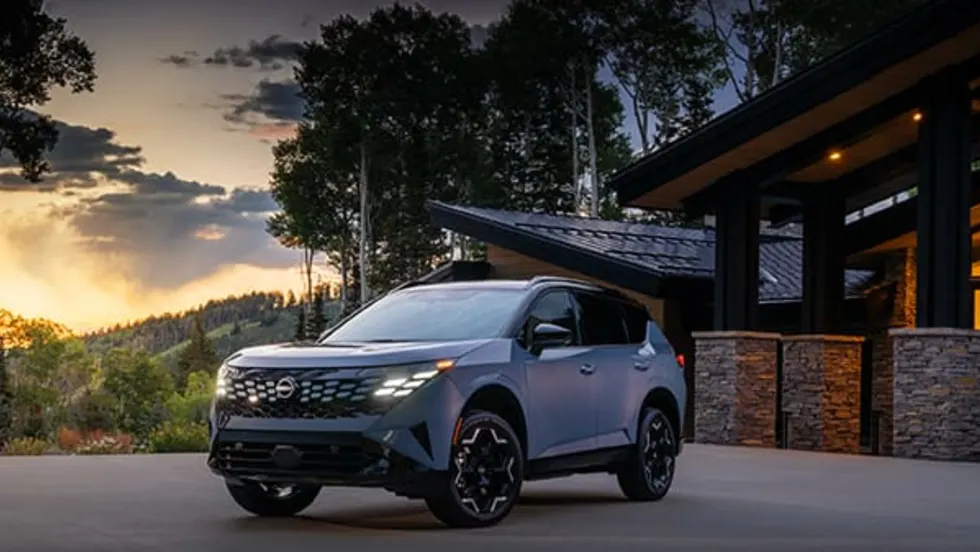
2027 Nissan Rogue Hybrid Adds e-POWER, Standard AWD
The new Rogue Hybrid uses Nissan’s e-POWER system with dual electric motors, offers an estimated 40 mpg and starts at $35,490.
Read More →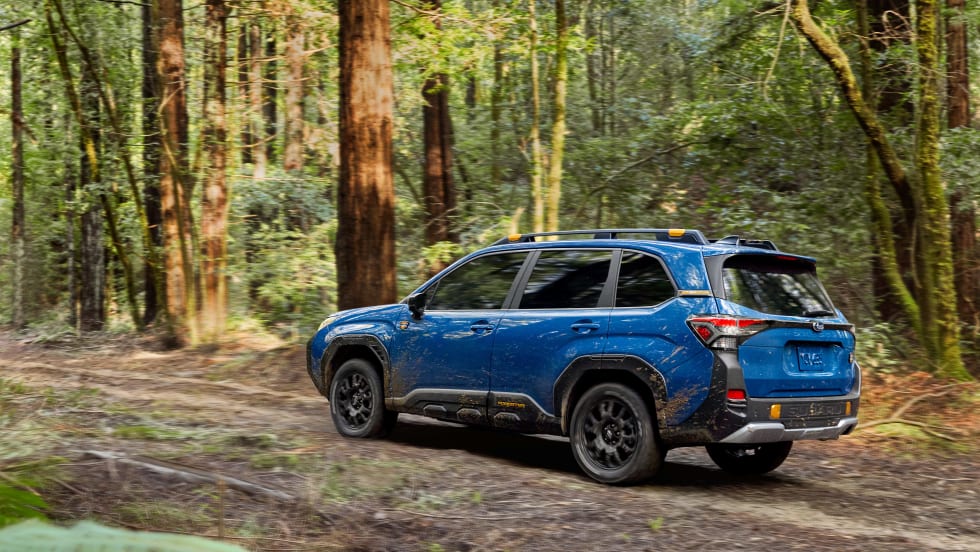
2027 Subaru Forester Adds First Wilderness Hybrid
The 2027 Forester lineup starts at $29,995 and adds a Wilderness Hybrid with 194 combined horsepower and 9.3 inches of ground clearance.
Read More →
EV Realty Names Henrik Holland President as Charging Platform Expands
The former Prologis Mobility and Shell executive will help expand EV Realty’s truck charging business and move its power-first infrastructure model into autonomous vehicle depots and other fleet sectors.
Read More →