




Telogis Launches Telogis Progression Work Order Management Platform
ALISO VIEJO, CA - This advanced SaaS work order management platform is available in three distinct offerings: Progression, Progression Pro and Progression Enterprise.
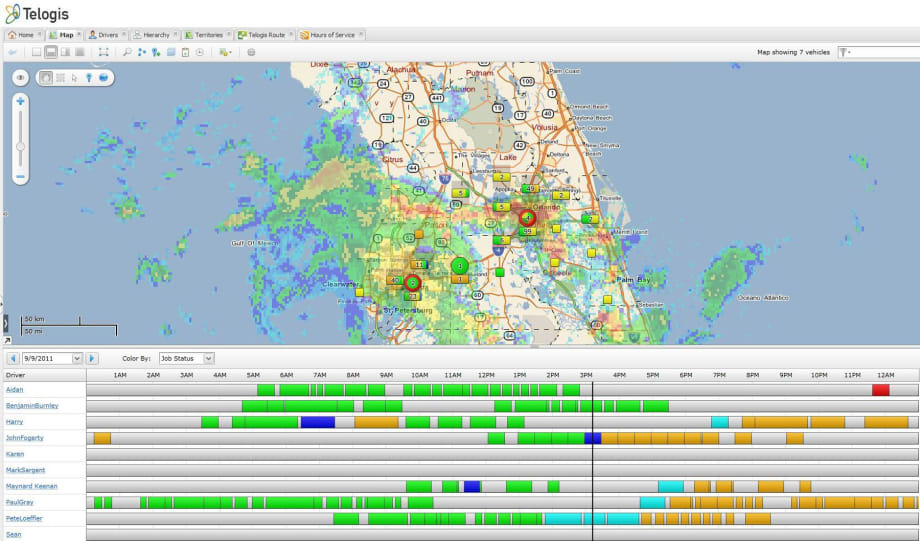
ALISO VIEJO, CA - Telogis Inc., the platform for location intelligence, introduces Telogis Progression: a powerful new Software-as-a-Service (SaaS) work order management platform that offers real-time job creation, tracking (including estimated time of arrival and completion), routing (including preplanned routes and dynamic changes throughout the day), dispatching, customer service notifications, route compliance reporting, job completion reporting, real-time traffic conditions and a rich interface to existing ERP systems. This advanced SaaS work order management platform is available in three distinct offerings: Progression, Progression Pro and Progression Enterprise.
“Telogis Progression will revolutionize the way service organizations coordinate their mobile resources to ensure customer satisfaction while simultaneously protecting their bottom line,” says Newth Morris, president, Telogis Progression. “This new SaaS solution provides the greatest visibility into the real-time workings of field staff and gives business owners a dynamic tool to ensure that each system is working together to guarantee the fastest, most efficient and accurate performance in the field.”
The system works with existing ERP and CRM systems, as well as order management, outage management and preventive maintenance packages to fully optimize mobile resource planning.
Telogis Progression also seamlessly integrates with the Telogis Route multi-vehicle route optimization system, Telogis Fleet GPS fleet management system, and Telogis Mobile handheld application to provide the industry’s only true end-to-end enterprise platform that provides strategic and dynamic routing, real-time work order management, telematics and mobile integration on a single platform — everything necessary to manage the lifecycle of a work order.
“In order to accomplish the same with any other vendor, a company would have to contract with three vendors and a systems integrator to put the pieces together,” says Morris. “We do it all with one platform, and we leverage the strength of each individual piece to create a strong, reliable platform that helps drive each customer’s business and ensure customer satisfaction.”
Additional key features and benefits of Telogis Progression include:
Visualization: allows users to view jobs on a map with clusters, view routes on a map, and view job status updates as a list and Gantt chart.
Dispatch center: Allows users to add, delete, edit jobs; assign jobs to nearest vehicles; and dispatch jobs over email and Telogis Mobile in real-time.
Detailed work order management: highlights equipment, skills, certifications needed, and delivery instructions; provides the ability to schedule work in compliance with these constraints.
Real-time InSight alerts: Alerts users to events in the field that may affect the day’s schedule, such as vehicles running behind schedule or performing stops out of order.
Closed loop customer notifications: alerts customers to estimated time of arrival, start times and job completion.
Planned vs. actual reporting: highlights variations to the plan, such as route deviation, allowing the fleet manager to fine-tune their planning over time.
For more information on Telogis Progression and the complete platform of Telogis location-based solutions, visit Telogis.com.
More Operations

Top 50 Executive Fleets
It is that time of year again! Time for the 2026 list of the Top 50 Executive Fleets, presented by Automotive Fleet and Volvo as part of its annual Fleet 500. Download now to see this year's list of companies!
Read More →
Gary Van Orden Retires After Nearly Four Decades in Commercial Fleet
From answering customer calls at Ford Motor Company to leading fleet sales across multiple OEMs and a fleet management company, Gary Van Orden's career reflects nearly four decades of leadership in commercial fleet.
Read More →
How Stellantis Plans to Get Ahead of Fleet Downtime
Vehicle acquisition may grab the headlines, but fleet uptime increasingly determines operating success. Darren Bradshaw of Mopar North America gives the details.
Read More →
Hyundai Releases 2027 Commercial Program Incentives
The 2027 Model Year "Fleet Street Incentives" are available to commercial and government fleets.
Read More →
It's All Downhill from Here! Fleet Industry Raises $22,000 for Skilled Trades Scholarships
Work Truck’s Lauren Fletcher and Automotive Fleet’s Chris Brown turned a friendly racing rivalry into $22,000 for automotive technology and skilled trades scholarships.
Read More →
The Top 300 Commercial Fleets
The Top 300 Commercial Fleets: See the List
Read More →
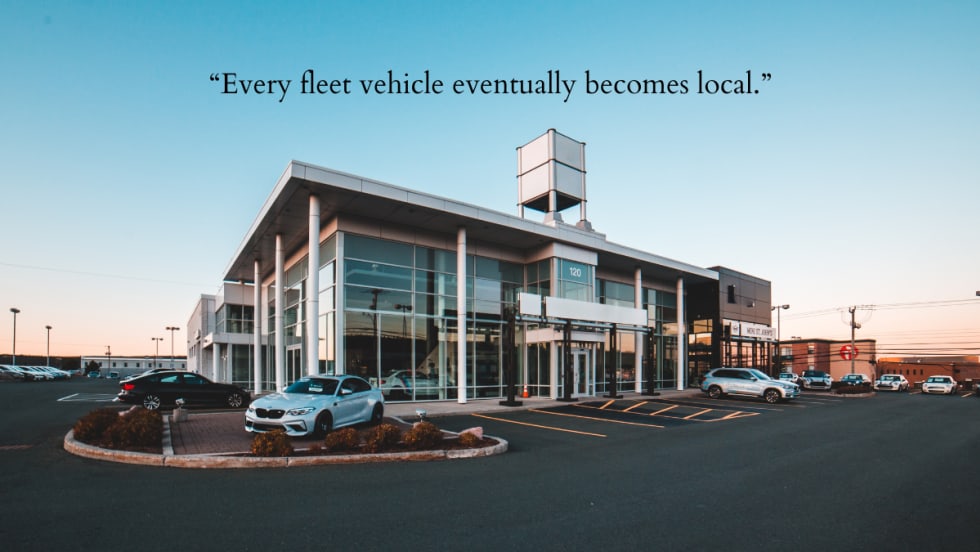
Your Local Dealer Knows More Than You Think
Your local dealer can provide an information advantage that extends well beyond courtesy deliveries.
Read More →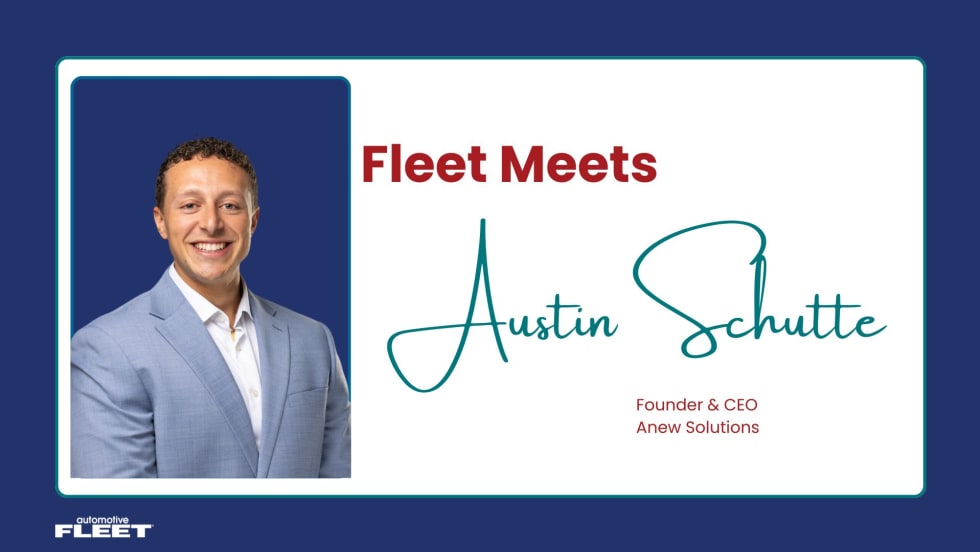
Fleet Meets: Austin Schutte
Here are some industry insights, personal touches, and words of advice from the CEO and Founder of Anew Solutions.
Read More →
Soap Box Derby Challenge: What’s Powering Team Brown
The car is coming together, the students are solving real build problems, and the fleet industry is helping push Team Brown toward the starting line.
Read More →