




Telogis and FleetCor Announce Global Partnership for Fuel Card Management and Telematics Integration
ALISO VIEJO, CA– Telogis, Inc., and FleetCor Technologies, Inc., announced a global partnership for the integration of telematics and fuel card reporting that will assist in bringing greater visibility to a fleet's fueling activities.


ALISO VIEJO, CA– Telogis, Inc., the platform for location intelligence, and FleetCor Technologies, Inc., a global leader in providing fuel card and workforce payment products to businesses, announced a global partnership for the integration of telematics and fuel card reporting that will assist in bringing greater visibility to a business’ fueling activities, improve reporting, and help reduce unauthorized fuel card use with the ultimate goal of driving down total fuel expense. The partnership includes the introduction of the Telogis Universal Premium Fleet Card powered by FleetCor and the launch of the next-generation fuel management module for Telogis Fleet.
“As the largest fuel card company in the world, FleetCor provides a global presence and access to networks that will help Telogis customers simplify the monitoring and reporting of actual fuel use, and reduce total fuel expense through the elimination of waste and theft,” said Jason Koch, president, Telogis Fleet. “Through the integration of this universal fuel card with our premium platform of location intelligence technologies, our customers now have the most extensive tools available to achieve comprehensive fuel management and help reduce operating costs related to fuel use.”
“Combining the networks and technologies of these two global leaders will allow for the development of new features that will improve how enterprises manage fuel use through innovative reporting,” said Jeffrey D. Lamb, executive vice president, FleetCor. “Businesses that implement our joint solution, which combines location intelligence and fuel card controls and reporting, will have a better opportunity to realize meaningful reductions in fuel waste and expense across their fleet.”
The Telogis Universal Premium Fleet Card powered by FleetCor provides fleets with a universal fuel card using a network recognized around the globe. The card includes no application, setup or card replacement fees, and offers 24/7 customer service, flexible payment options, and possible rebates. When matched with Telogis’ Software-as-a-Service (SaaS) fleet management system, Telogis Fleet, the system matches vehicle location to fuel card transaction data to help ensure the fuel card is being used properly (verifying that the vehicle was near the pump when the card was being used, not exceeding pumping limits, etc.). It also centralizes fuel transaction reporting instead of having to deal with logs and receipts.
“This next-generation fuel module is leading the way in fuel management through its accuracy, scalability and universal approach to fleets around the world,” said Koch. “It allows operations managers and executives to minimize costs related to fuel use and reduce their carbon footprint by leveraging the power of the Telogis platform to seamlessly combine real-time location intelligence with fuel transaction data.”
More Fuel
Fuel Prices Surge in September | September Fuel Update
September brought major fuel price swings, including diesel crossing $6 a gallon. Here’s how gas and diesel prices changed throughout the month, and where they stood heading into October.
Read More →
Turning Fleet Payment Data into Executive Insights
Ramel Lindsay of U.S. Bank Voyager discusses how fleets can transform payment and transaction data into actionable intelligence to reduce costs, improve oversight, and support executive decision-making.
Read More →
Why the IRS Raised Its Mileage Rate in the Middle of 2026
Fuel-price volatility drove the rare increase to 76 cents per mile, the fifth midyear adjustment since 2000.
Read More →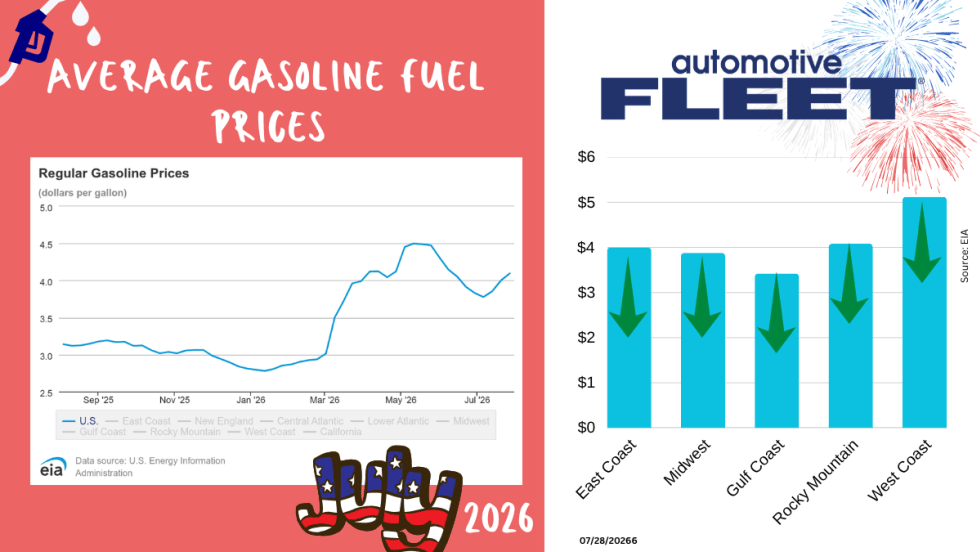
July Fuel Update: Prices Keep Rising in Light of More Conflict
Gas prices continue to rise as more and more conflicts do, too.
Read More →
Bob Adamsky on Fuel Volatility: "Don't Panic, Have a Plan."
When it comes to up and down fuel prices, Adamsky has a message for fleets: “Don’t panic.”
Read More →
How Fleets Can Gain Control of Non-Fuel Spend
Fuel often gets the spotlight, but non-fuel expenses can have a major impact on fleet costs. Ramel Lindsay of U.S. Bank Voyager discusses how fleets can gain better visibility and control over these often-overlooked expenditures.
Read More →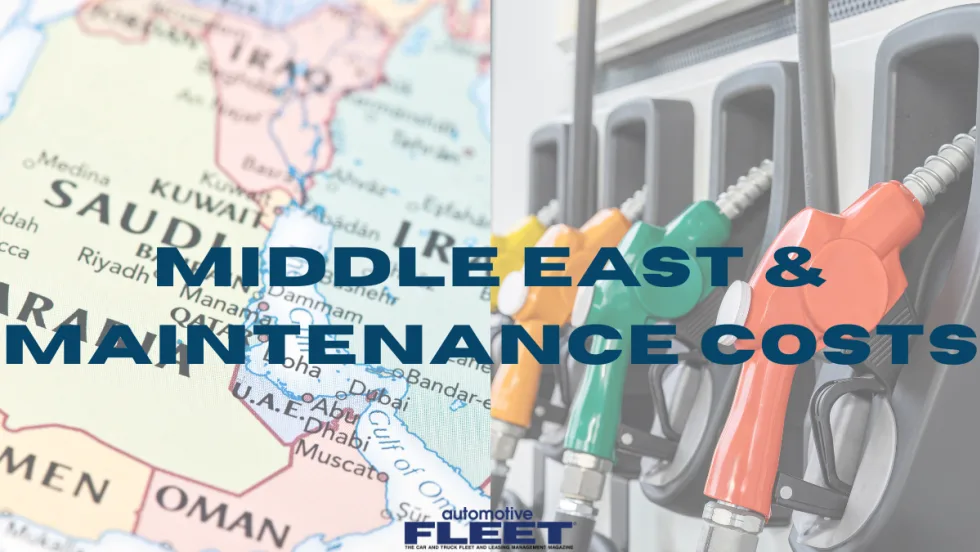
Fuel is Just the Start: How Middle East Tensions are Driving Up Fleet Maintenance Costs
The Middle East conflict is doing more than pushing up fuel prices. It’s also raising the cost of key maintenance products your fleet depends on, from motor oil to tires to windshield wipers. Here’s what you need to know about this budget-busting situation.
Read More →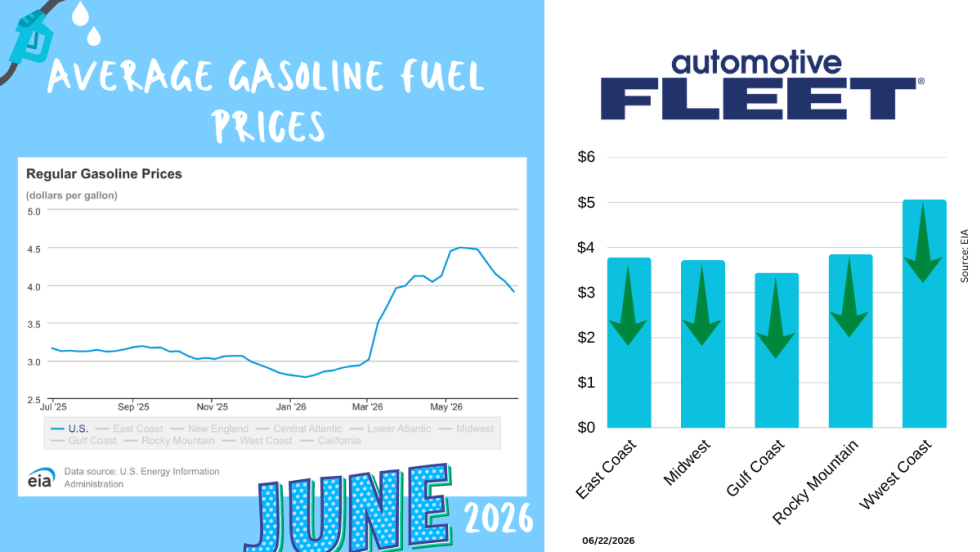
June Fuel Update: Prices Fall Below $4
Drivers are finally getting some relief at the pump. The national average gas price has dropped below $4 a gallon for the first time in months, with prices falling in 47 states as oil markets react to developments in U.S.-Iran negotiations.
Read More →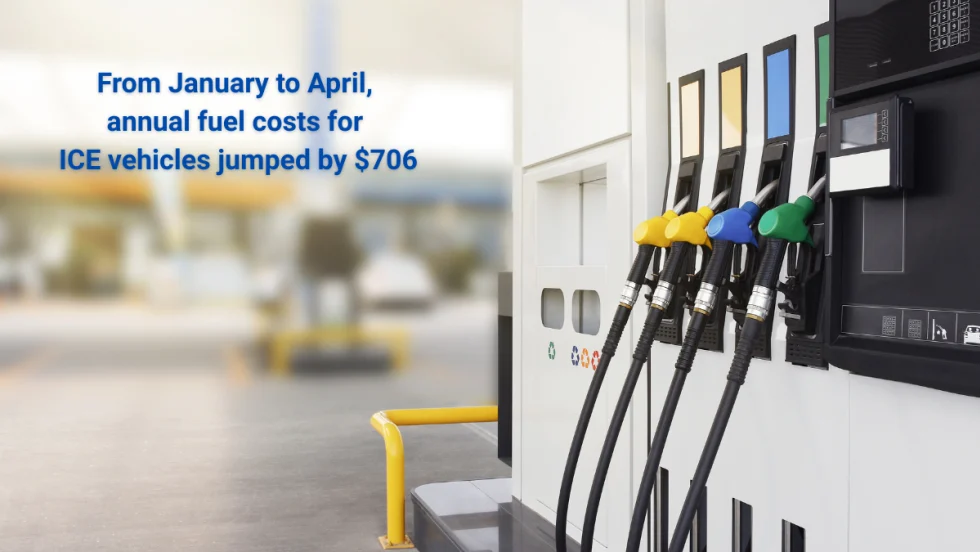
Study: How 2026's Gas Price Hikes Affect Different Vehicle Types
New data from iSeeCars reveals how rising fuel costs have affected different vehicle segments as gasoline prices climbed nearly 46% over the past four months.
Read More →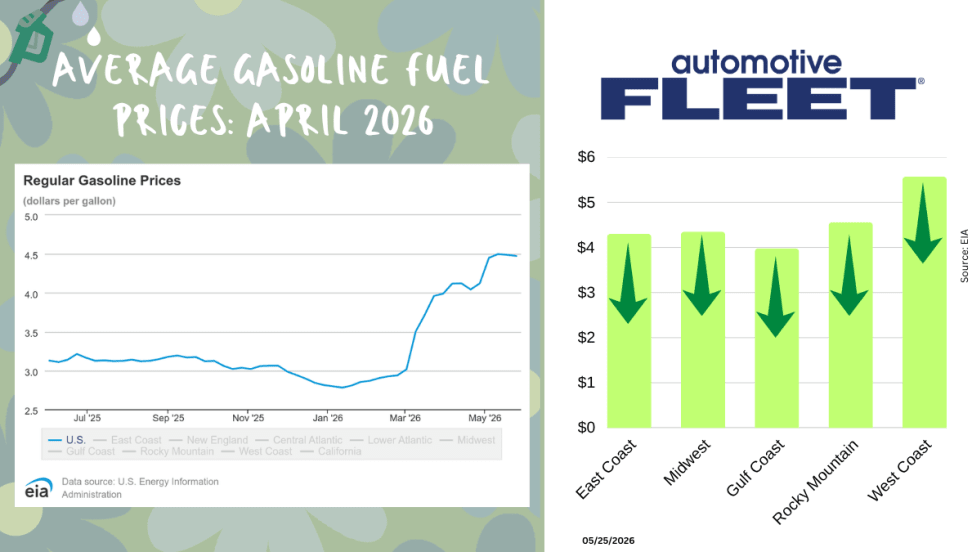
May Fuel Update: All Regions Experience Declines
Gas prices are finally easing in much of the country, but experts warn global tensions could quickly reverse the trend as the national average remains well above last month’s levels.
Read More →