




Survey: 22% of SUV Owners Plan to Buy Different Vehicle Class
TUSTIN, Calif. --- With gas prices remaining higher than last year, a new survey confirms that many consumers plan to change the type of vehicle they drive.
TUSTIN, Calif. --- With gas prices remaining higher than last year, a new survey confirms that many consumers plan to change the type of vehicle they drive. However, the number of people planning such a change isn't as high as it was just a month ago. The October 2005 Fuel Price Impact Survey, conducted by AutoPacific's Vehicle Voice, is based on online surveys from 1,145 respondents. The surveys were completed between Oct. 17-22. While over half (63%) of the respondents indicated that they will not change the type of vehicle they drive, there clearly is impact on the sport utility vehicle category. About 22% of SUV owners said they will shift to another type of vehicle next time they buy, down from 27% a month ago. The vehicle class most likely to benefit from this migration is small cars (up 33% this month, compared with a 41% increase last month). While the data do not show a direct relationship of drivers moving from SUVs to small cars, there is a tendency to move from less fuel-efficient classes to vehicle types that get better gas mileage. About 25% of drivers who have vehicles powered by V8 engines say they will shift to more fuel-efficient engines, the same as reported last month. Vehicles with hybrid powerplants will be considered by 15% of the respondents, virtually unchanged from the prior survey. There is also somewhat more interest in diesel engines, though significantly less than the level of interest in a gas-electric hybrid. When asked whether high fuel prices are good or bad for America, 80% say that high fuel prices are "bad for America," unchanged from the prior survey.
More Fuel

Turning Fleet Payment Data into Executive Insights
Ramel Lindsay of U.S. Bank Voyager discusses how fleets can transform payment and transaction data into actionable intelligence to reduce costs, improve oversight, and support executive decision-making.
Read More →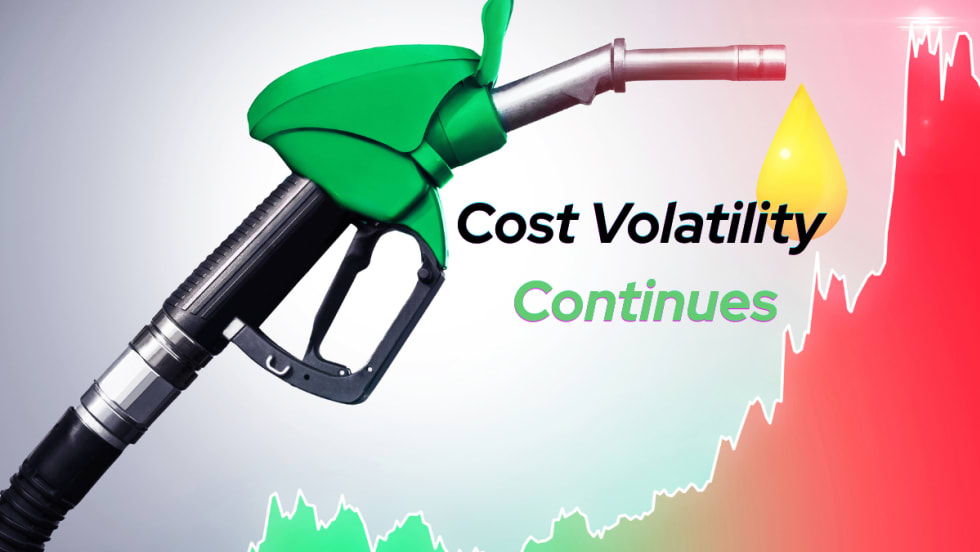
Why the IRS Raised Its Mileage Rate in the Middle of 2026
Fuel-price volatility drove the rare increase to 76 cents per mile, the fifth midyear adjustment since 2000.
Read More →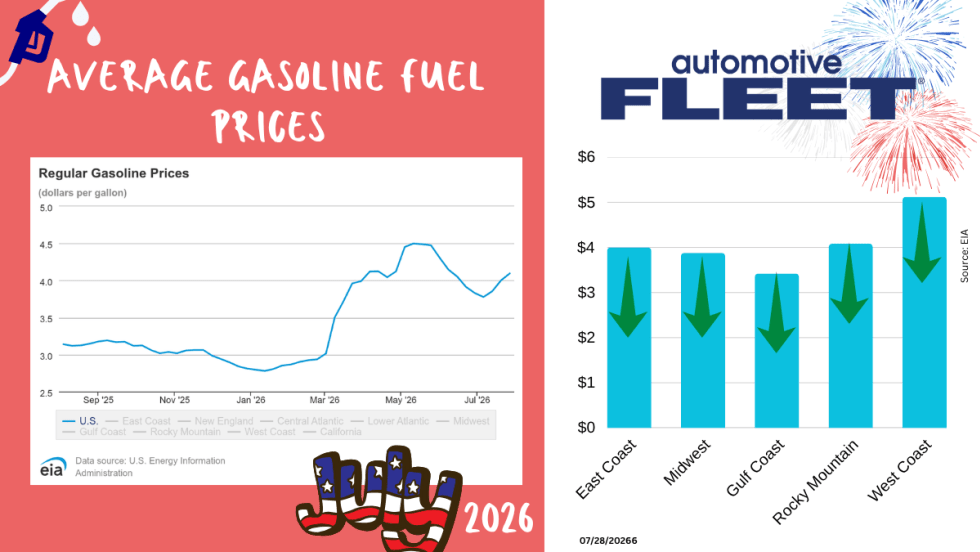
July Fuel Update: Prices Keep Rising in Light of More Conflict
Gas prices continue to rise as more and more conflicts do, too.
Read More →
Bob Adamsky on Fuel Volatility: "Don't Panic, Have a Plan."
When it comes to up and down fuel prices, Adamsky has a message for fleets: “Don’t panic.”
Read More →
How Fleets Can Gain Control of Non-Fuel Spend
Fuel often gets the spotlight, but non-fuel expenses can have a major impact on fleet costs. Ramel Lindsay of U.S. Bank Voyager discusses how fleets can gain better visibility and control over these often-overlooked expenditures.
Read More →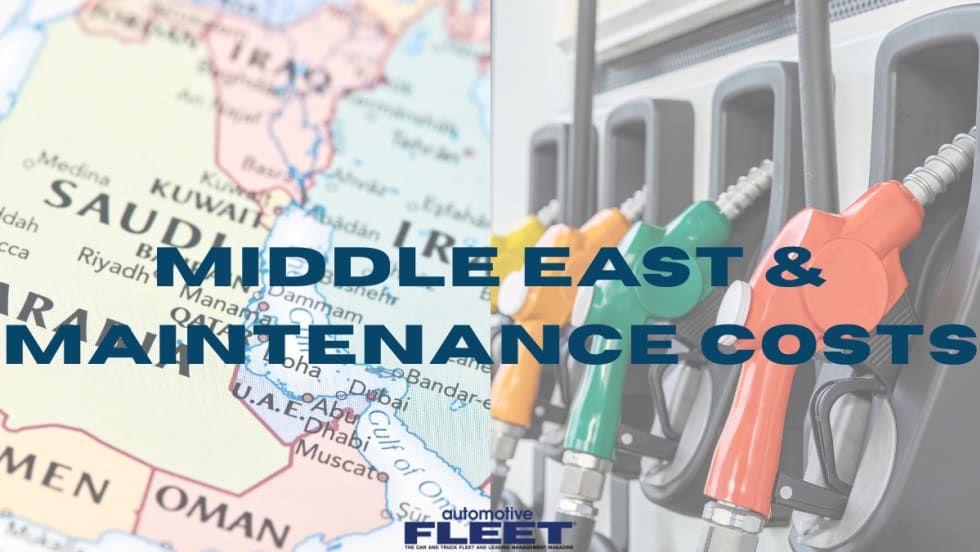
Fuel is Just the Start: How Middle East Tensions are Driving Up Fleet Maintenance Costs
The Middle East conflict is doing more than pushing up fuel prices. It’s also raising the cost of key maintenance products your fleet depends on, from motor oil to tires to windshield wipers. Here’s what you need to know about this budget-busting situation.
Read More →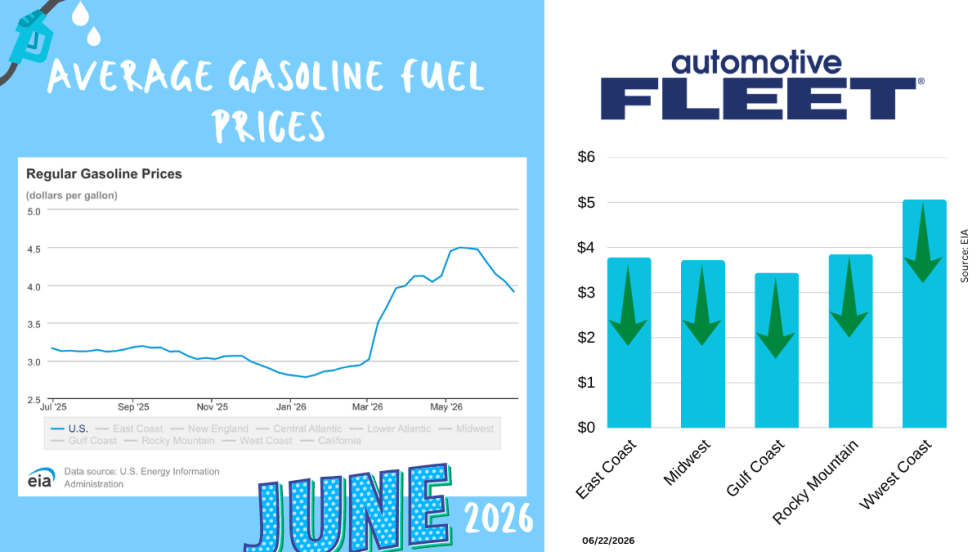
June Fuel Update: Prices Fall Below $4
Drivers are finally getting some relief at the pump. The national average gas price has dropped below $4 a gallon for the first time in months, with prices falling in 47 states as oil markets react to developments in U.S.-Iran negotiations.
Read More →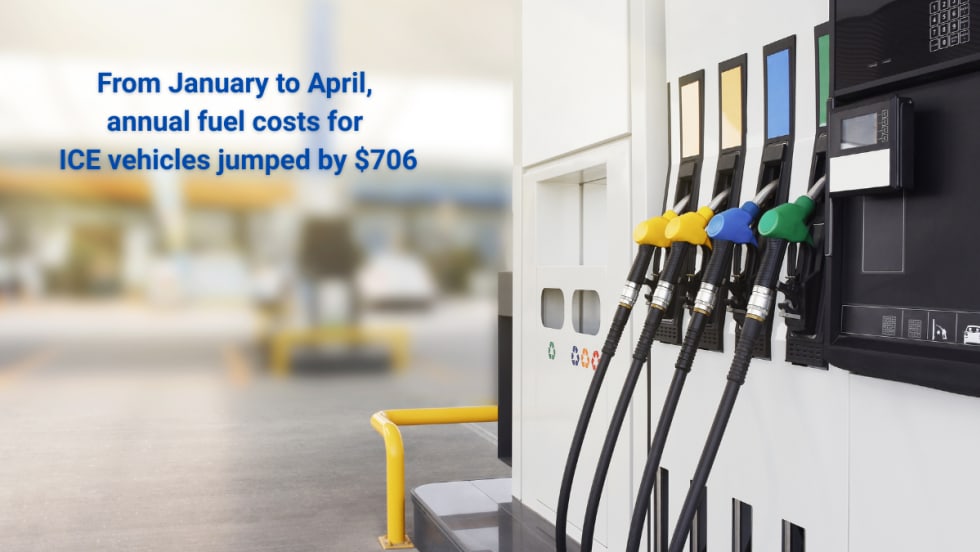
Study: How 2026's Gas Price Hikes Affect Different Vehicle Types
New data from iSeeCars reveals how rising fuel costs have affected different vehicle segments as gasoline prices climbed nearly 46% over the past four months.
Read More →
Are You Tracking Your Fleet's True Total Cost of Ownership?
Bobit Business Media surveyed 190 fleet professionals and found that while most fleets are tracking costs, fragmented systems and data gaps are keeping true TCO visibility out of reach. With rising pressure to control spend in an increasingly volatile environment, the gap between what fleets think they know and what the data actually shows is wider than you might expect. See how your peers are managing costs today and where the industry still has room to improve.
Read More →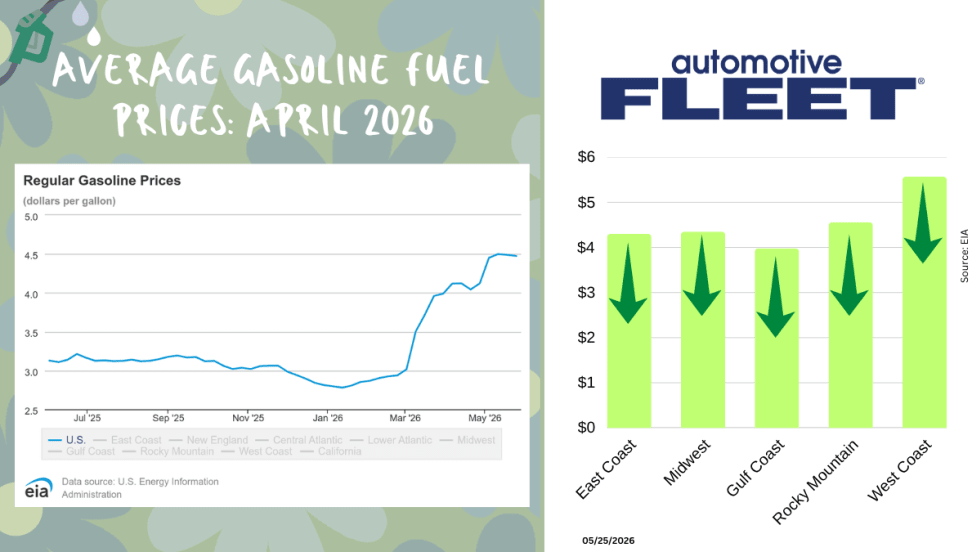
May Fuel Update: All Regions Experience Declines
Gas prices are finally easing in much of the country, but experts warn global tensions could quickly reverse the trend as the national average remains well above last month’s levels.
Read More →