




Survey: 1 in 5 Eyeglass Wearers Drives Without Prescription Glasses
DALLAS - While many people believe a bright, sunny day is optimal for driving, the reality is that blinding glare from sun, snow and vehicles is a significant contributing factor to fatal auto accidents. Additionally, a recent survey commissioned by Essilor of America Inc. found that 20 percent of eyeglass wearers sometimes drive without their prescription glasses and instead wear non-prescription sunglasses.
DALLAS - While many people believe a bright, sunny day is optimal for driving, the reality is that blinding glare from sun, snow and vehicles is a significant contributing factor to fatal auto accidents. Additionally, a recent survey commissioned by Essilor of America Inc. found that 20 percent of eyeglass wearers sometimes drive without their prescription glasses and instead wear non-prescription sunglasses.
For blinding glare when driving, simple solutions abound in the form of polarized, prescription sunglasses. In fact, a clinical study conducted by Essilor as a precursor to the survey found that driver reaction times improve by one-third of a second for drivers who wear polarized lenses.
For a car traveling 50 miles per hour, one-third of a second allows a driver to stop 23 feet sooner, or the length of an intersection. In glare-intense situations, polarized lenses improve vision clarity by 75 percent, as opposed to ordinary sun lenses, allowing wearers to enjoy better clarity of vision.
"Only one-third of eyeglass wearers have prescription sunglasses with polarized lenses," said Kim Schuy, senior global director of marketing for Essilor, a major manufacturer of optical lenses in the U.S. "As our roadways heat up this winter and glare from the sun and snow increases, it's critical that consumers discuss with their eyecare professional the life-saving benefits of prescription, polarized lenses."
Trouble seeing while driving on sunny or snowy days is very common among glasses-wearers. However, those with prescription sunglasses, particularly those with polarized lenses, experience less trouble. Specifically, over 60 percent of eyeglass wearers surveyed agree that when driving during the day, glare from sun and snow makes it difficult to see while driving, according to Essilor's survey.
For the study, KRC Research conducted 1,000 online interviews with American adults who wear prescription eyeglasses. To qualify for the survey, respondents needed to wear glasses "for practically everything," and be licensed drivers. Data was collected Nov.14-17.
More Safety
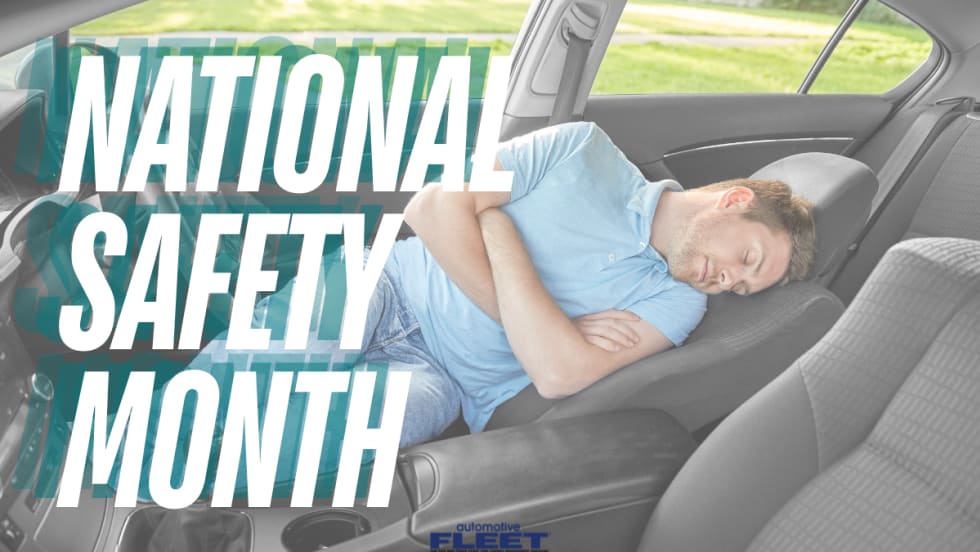
How Emotions Behind the Wheel Can Affect Fleet Safety
During National Safety Month, fleets are encouraged to look beyond distracted driving and recognize how stress, fatigue, and emotional well-being influence driver performance and crash risk.
Read More →
Nominations Open for 2026 Fleet Safety Award
Nominations have officially opened for the 2026 Fleet Safety Award Winner.
Read More →
Turning Connected Vehicle Data Into Decisions That Matter
Fleet leaders have more data than ever, but turning that data into clear, actionable decisions remains a challenge. This white paper shows how leading organizations are using connected vehicle data to improve safety, reduce costs, and optimize fleet performance. Learn how to turn insight into action across your fleet.
Read More →
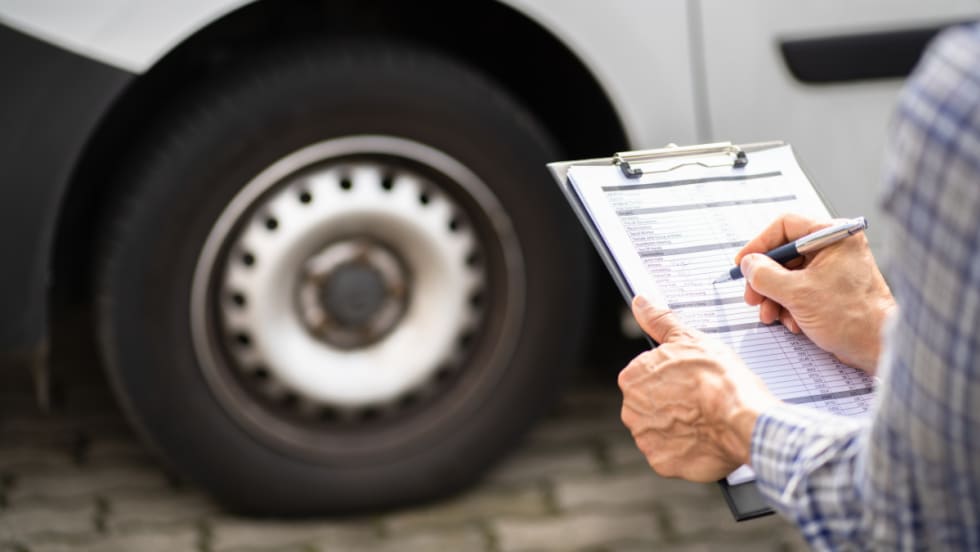
Cameras, Safety and Insurance: From Reactive Claims to Real-time Prevention
Commercial auto remains one of the most challenging and costly lines of coverage for fleet operators and insurers alike. Learn more about how to effectively address these issues from Onur Aksan, Enterprise Business Development Executive, Geotab.
Read More →
NAFA Fleet Safety Symposium to Collocate With 2026 Fleet Forward Conference
The daylong certificate program will precede the Fleet Forward Conference at the Gaylord National Harbor in Maryland.
Read More →
The Distractions You Can’t Turn Off: What Drivers Face Outside the Vehicle
Fleet drivers face constant visual, cognitive, and environmental interruptions the moment they hit the road. From roadside chaos to mental fatigue and digital overload, today’s biggest driving risks often come from outside the vehicle itself.
Read More →
FLASH Weather AI Launches First Deep-Learning Hail Prediction Model With High-Resolution Forecasting
FLASH Weather AI has launched a first-of-its-kind hail prediction model capable of forecasting hail size and arrival time at 1-kilometer resolution up to 55 minutes ahead, giving fleets and insurers critical time to prepare for severe storms.
Read More →
How Coca-Cola United Protects Its Fleet from Growing Legal Risk
As litigation risk rises, vehicles are increasingly targeted. This Coca-Cola bottler shares how it’s reducing exposure through driver training, technology, and a proactive risk management approach.
Read More →
How to Speak the Same Language on Fleet Safety
Drivers, supervisors, and data often speak different safety “languages.” Getting on the same page will drive better results.
Read More →
Fleet Cybersecurity 101: What You Need from Your Technology Vendors
From identity management to third-party certifications, the right technology partner should make security easier to manage. Here are the three building blocks that fleet managers need to stay in control as connected systems scale.
Read More →