




Surge in EV Registrations in UK Drives Drop in Leased Car CO2 Emissions
Average CO2 figures for new leased cars showed a sharp fall in Q3 2019 on the back of a surge in battery electric vehicle registrations, according to the British Vehicle Rental and Leasing Association.

This has offset the upward CO2 pressure caused by the increasing market share of petrol and personal lease vehicles and the inflationary impact of the new WLTP emissions standard in the U.K.
Photo via City and Color/Flickr.
Average CO2 figures for new leased cars in the U.K. showed a sharp fall in the third quarter of 2019 on the back of a surge in battery electric vehicle (BEV) registrations, according to the British Vehicle Rental and Leasing Association (BVRLA).
The BVRLA’s Q3 2019 Quarterly Leasing Survey has average CO2 for all new leased cars at 116.8g/km, down from 118.5g/km in the previous quarter. The fall has been caused by a dramatic rise in new BEV registrations, which are now responsible for 1.6% of all new lease cars. This has offset the upward CO2 pressure caused by the increasing market share of petrol and personal lease vehicles and the inflationary impact of the new WLTP emissions standard in the U.K.
While diesel’s market share has continued to fall, dropping to 38.3% of new registrations, BVRLA analysis shows that petrol’s share has also fallen back very slightly — to 52.8% in the face of the BEV surge.
Elsewhere, the survey provides more evidence of the squeeze on the traditional business fleet leasing market (finance lease and contract hire). The total market shrank to a four-year low of 1.21 million vehicles, with the car portion falling 9% year-on-year and van fleet growth receding to 2.8% compared to the same period in 2018. This decline was partially offset by continued growth in the personal contract hire market, which rose 17% for cars and 2% for vans.
More Fleet Forward

Chad Edmondson Named 2026 Fleet Safety Award Winner
The VSC Fire & Security fleet director oversees more than 1,100 assets nationwide. His approach to improving driver safety emphasizes collaboration, employee engagement, and building trust with the people behind the wheel.
Read More →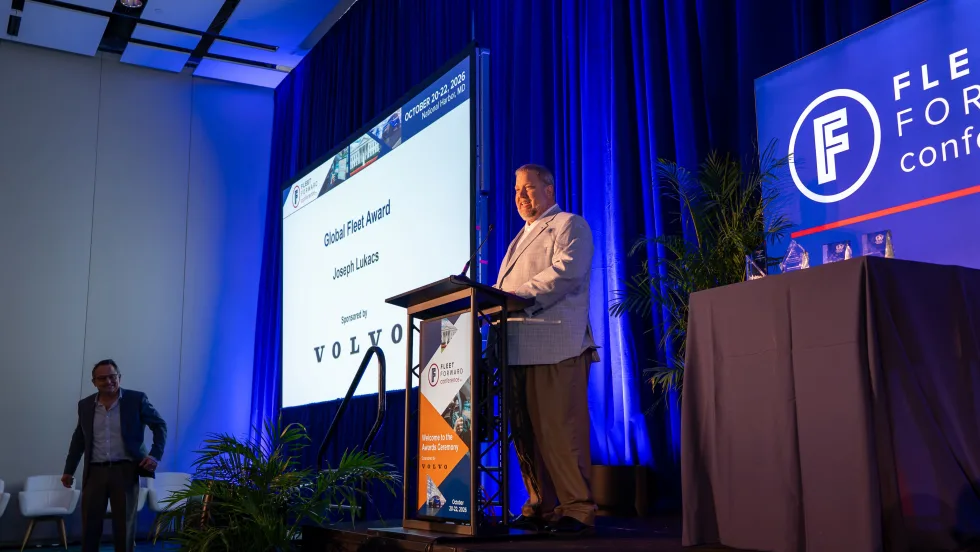
Joseph Lukacs Wins 2026 Global Fleet Manager of the Year
The Sherwin-Williams fleet leader adds another industry honor to his career after being named the 2025 Edward J. Bobit Professional Fleet Manager of the Year.
Read More →
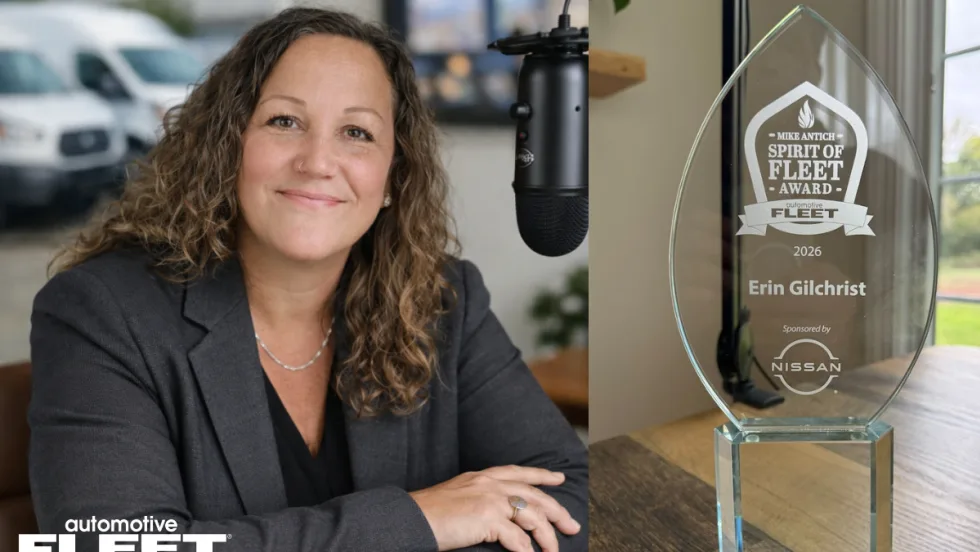
Erin Gilchrist Receives Mike Antich Spirit of Fleet Award
Last week at AFLA in Vegas, Erin Gilchrist received the inaugural, brand-new Spirit of Fleet Award.
Read More →
Dominika Leja Named the 2026 Fleet Manager of the Year
The AstraZeneca associate director of fleet was recognized for her leadership in fleet electrification, cost savings, and operational transformation.
Read More →
Jamie McKay Named the 2026 Fleet Visionary Award Winner
The Aptive Pest Control fleet manager was recognized for her approach to operations, data, lifecycle management, and driver needs.
Read More →
Fleet Forward Conference Introduces One-Day Passes for 2026
New one-day registration gives fleet professionals the flexibility to attend Tuesday, Wednesday, or Thursday, with passes available for $199 through Sept. 18.
Read More →
Vibe Coding: When Fleet Managers Become Software Builders
Five fleet professionals — none with programming skills — discuss how they’re using AI to build fleet solutions in-house and in a fraction of the time.
Read More →
Fleet Forward Conference Tackles Fleet Industry’s Growing Leadership Gap
This session will examine succession planning, knowledge transfer, and the skills the next generation of fleet leaders will need as veteran professionals leave the industry.
Read More →
2026 Fleet Manager of the Year Finalists Announced
Who are the 2026 Fleet Manager of the Year finalists?
Read More →