




Study Shows Tough Vehicle Emissions Standards Benefit Human Health
LOS ANGELES – The American Lung Association in California published a report, called “The Road to Clean Air,” that shows tougher vehicle emissions standards could help California avoid at least $7.2 billion per year in health and other societal costs.
LOS ANGELES – The American Lung Association in California published a report, called “The Road to Clean Air,” that shows tougher vehicle emissions standards could help California avoid at least $7.2 billion per year in health and other societal costs.
The report said these standards would help the state reduce all major air pollution-related health impacts – from asthma attacks, premature deaths and hospitalizations to lost work and school days – by 70 percent, if the overall fleet of vehicles on California roads are converted to the next generation of cleaner, more efficient vehicles by 2025.
The report said new “Advanced Clean Air” standards, set to go into effect in 2017, will annually help avoid the following illnesses and deaths across the fleet of vehicles operating in the state:
400 – 420 premature deaths avoided
8,075 – 8,440 asthma attacks and lower respiratory symptoms avoided
181,000 – 190,000 acute and other respiratory symptoms avoided
390 – 405 heart attacks avoided
420 – 440 respiratory ER visits and cardio/respiratory hospitalizations avoided
28,100 – 29,300 lost work days avoided
8,800-9,500 missed school days avoided
$7.2-$8.1 billion in healthcare, environmental damage and societal damages avoided
The new standards include smog and particle pollution controls, greenhouse gas emission standards, and an “aggressive” zero emission vehicle requirement
“Ninety percent of Californians live in areas with unhealthy air according to the American Lung Association State of the Air report,” said Jane Warner, President and CEO of the American Lung Association in California. “Pollution from passenger cars and trucks is largely responsible for our dirty air and its huge health toll. Our new study reveals the benefits in lives and dollars saved by adopting tough vehicle emission and technology standards.”
The state currently is drafting the Advanced Clean Car standards, which update and link several existing programs aimed at reducing pollution from vehicles, including the Low-Emission Vehicle program, the Zero-Emission Vehicle program and the greenhouse gas emission reduction program (often called Pavley standards), and plans to release a draft this fall.
“There are few needs as urgent as making sure that the air we breathe in California isn’t making us sick and contributing to escalating health care costs,” says David T. Cooke, M.D., member of the Lung Association Board and Assistant Professor of Thoracic Surgery at the UC Davis Medical Center in Sacramento. “California has an opportunity to dramatically reduce the human toll of cars by adopting strong Clean Car standards and accelerating the introduction of zero emission vehicles in the next round of rulemaking.”
The Road to Clean Air report finds that under current standards (which apply to passenger vehicles through model year 2016), vehicles on the road in 2025 will generate over 270 tons per day of smog forming pollutants and cause $14.5 billion per year in health and societal costs, including $5 billion per year in public health costs and thousands of cases of illness.
Converting the fleet to cleaner, more efficient vehicles would avoid as much as 190 tons per day, or over 70 percent, of these smog forming emissions. Considering that California still has a long way to go in achieving smog levels low enough to meet federal clean air standards, adopting the strongest possible clean car regulations is critical.
On an individual basis, the American Lung Association in California report finds that an average car under current standards will cause more than $4,700 in health, environmental and societal damage over its lifetime – the equivalent to $1.19 in damage per gallon of gasoline, or about $20 per fill-up.
In order to reduce vehicle impacts on human health, the American Lung Association in California finds that the California Air Resources Board must adopt strong Advanced Clean Car Standards for the passenger vehicle fleet for 2017-2025 that will include the following requirements for new cars:
Achieve a 75 percent reduction in smog-forming emissions and place stringent controls on particle pollution from vehicles
Achieve, at minimum, an overall 45 percent (6 percent per year) reduction in greenhouse gas emissions from vehicles
Achieve a new car fleet mix that includes at least 20 percent zero emission vehicles
The state is expected to adopt its new standards in November 2011. To view the full report, go to www.lungusa.org/california-cleancars.
Study Methodology
The American Lung Association in California commissioned a study to compare the emissions, public health, and greenhouse gas benefits that will result from current vehicle emission standards (LEV II for smog-forming emissions and Pavley I for greenhouse gas emissions) to the benefits that can be achieved from the next generation of vehicle standards (LEV III, Pavley II), including strong zero emission vehicle (ZEV) requirements being considered this year. Vehicle emission reductions result from decreases in tailpipe, on board, and upstream emissions.
More Green Fleet
EV Charging Use Is Outpacing Infrastructure Growth
ChargePoint’s 2026 Charging Forward Report points to rising charger use, higher-powered charging, commercial vehicle electrification, and energy-management technology. Here’s what fleets should know.
Read More →
Merchants Fleet Reports 290M EV Miles as Fleets Navigate Changing Electrification Market
From millions in operating savings to hundreds of millions of EV miles, Merchants Fleet’s latest report reveals what’s working and what’s changing in fleet electrification.
Read More →
The EV Breakdown Nobody's Talking About: Why Most Electric Vehicle Roadside Calls Aren't Mechanical Failures
Here's why EV breakdowns are widely misunderstood.
Read More →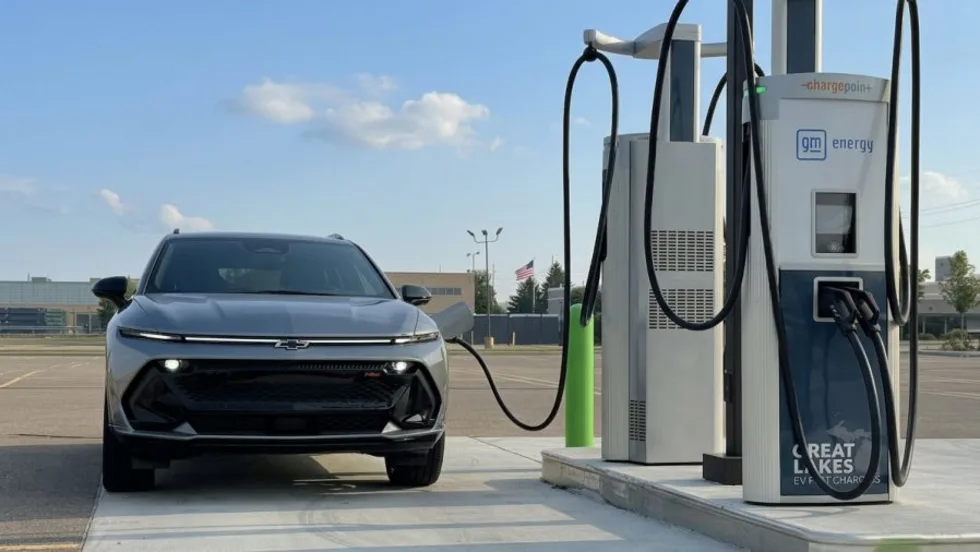
ChargePoint Now Available in Energy Pass
ChargePoint and additional planned charging network integrations were added to GM's Energy Pass.
Read More →

First Look: Slate Auto's Electric Fleet Pickup
Could an affordable, modular EV pickup make electrification more practical for fleets?
Read More →
Slate Debuts Colorful, Unique EV Models
A recent media and client event, studded with electric vehicles dressed up on platforms, planted a new position for the manufacturer in the wider EV market. Fleets will find cost-saving advantages.
Read More →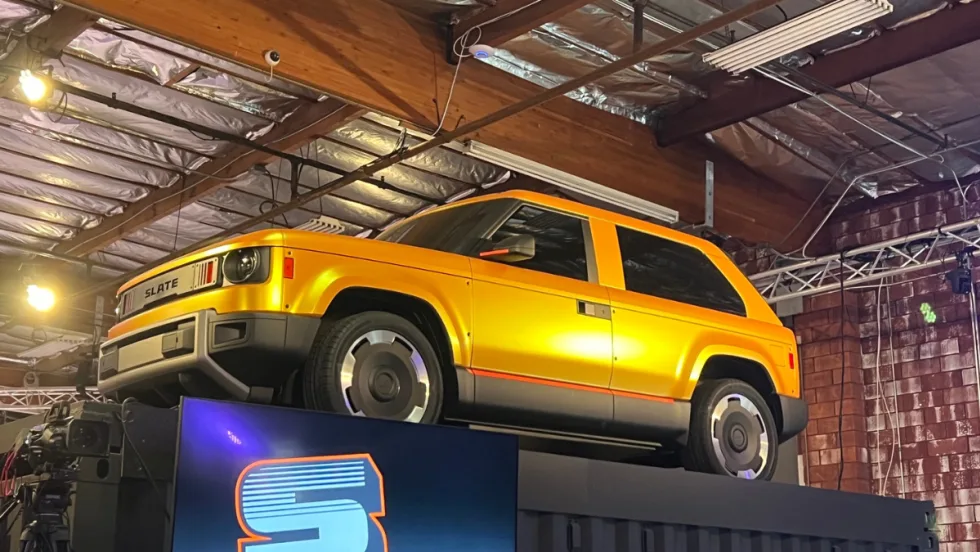
Slate Electric SUV, Pickup Switchable Model Aims For Light-Duty Fleets
Everything about this EV is counterintuitive and understated, making it stand out from the crowd.
Read More →
Inspiration Mobility Acquires Key Electrada Assets
Inspiration Mobility Group has acquired select assets of Electrada, adding the fleet electrification provider's team, technology, and charging infrastructure development capabilities to its energy management business.
Read More →
Turning Connected Vehicle Data Into Decisions That Matter
Fleet leaders have more data than ever, but turning that data into clear, actionable decisions remains a challenge. This white paper shows how leading organizations are using connected vehicle data to improve safety, reduce costs, and optimize fleet performance. Learn how to turn insight into action across your fleet.
Read More →