




Study Finds Car Sharing Lowers GHG Emissions
SAN JOSE, CA - Car sharing has been found to help lower emissions, according to the Greenhouse Gas Emission Impacts of Car Sharing in North America report released by the Mineta Transportation Institute (MTI).
SAN JOSE, CA - Car sharing has been found to help lower emissions, according to the Greenhouse Gas Emission Impacts of Car Sharing in North Americareleased by the Mineta Transportation Institute (MTI).
The study evaluated the greenhouse gas (GHG) emission changes that can occur when people participate in car-sharing organizations. Principal investigators were Elliot W. Martin, PhD, and Susan A. Shaheen, PhD.
The research showed that, while car sharing does facilitate lower emissions, the reduction cannot be generalized across all participating individuals or even a majority of those individuals. Rather, car sharing as a system facilitates large reductions in the annual emissions of some households, which compensates for the collective small emission increases of other households. The results also show that respondent households significantly reduced vehicle ownership after joining car sharing.
"Car sharing is a simple concept," said Dr. Martin. "People typically access vehicles by joining an organization that maintains a fleet of cars and light trucks deployed in lots located within neighborhoods, public transit stations, employment centers, and colleges or universities. They benefit from private vehicle use without the costs and responsibilities of ownership. Car sharing is most common in major urban areas where transportation alternatives are easily accessible."
In this study, the authors surveyed car sharing members in the U.S. and Canada to develop a robust estimate of GHG emission impacts from car sharing.
While it may seem logical that car sharing reduces emissions, it also can increase them because it provides automotive access to people who were previously carless. These households drive more than before they joined car sharing. The researchers took these factors into account when coming to a "net effect" conclusion across the 6,281 respondents that were applied in the final analysis. They also included less-obvious "full impact" factors, such as people who would have purchased a car but joined a car sharing group instead.
The authors found that on balance, net car sharing emissions are negative and statistically significant for both the observed impact and full impact. Hence, GHG emissions from transportation are lower due to car sharing.
The full report is available for download at www.transweb.sjsu.edu/project/0911.html.
More Green Fleet
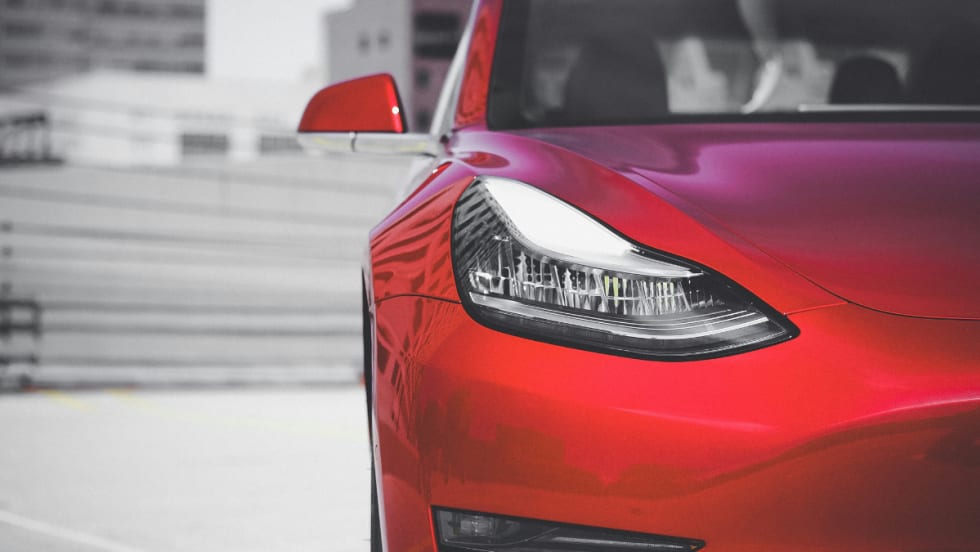
Stop Remarketing Electric Vehicles Like Gas Cars
The advantages and attributes of electric vehicles are upending the traditional remarketing cycle, requiring fleet sellers to rely on new factors and approaches detailed below.
Read More →
Slate Debuts Colorful, Unique EV Models
A recent media and client event, studded with electric vehicles dressed up on platforms, planted a new position for the manufacturer in the wider EV market. Fleets will find cost-saving advantages.
Read More →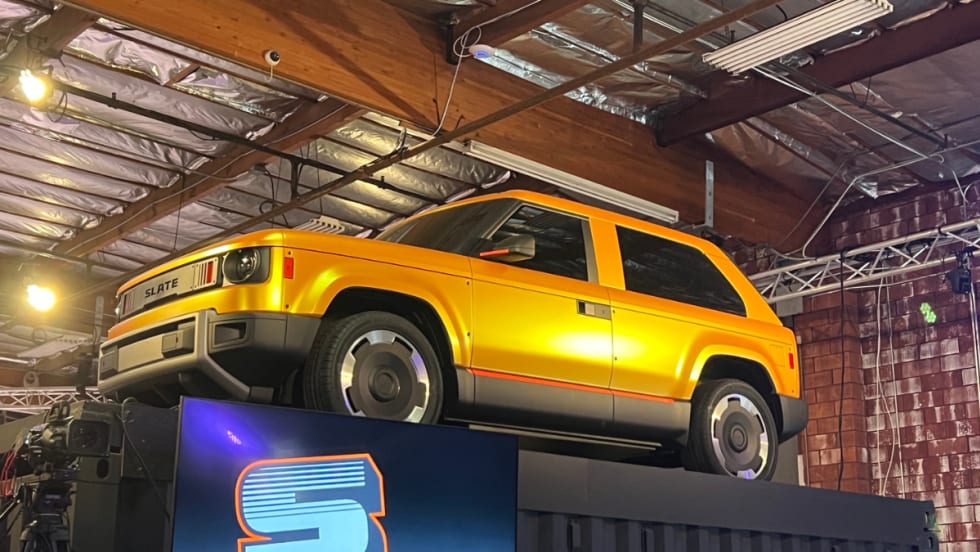
Slate Electric SUV, Pickup Switchable Model Aims For Light-Duty Fleets
Everything about this EV is counterintuitive and understated, making it stand out from the crowd.
Read More →
Inspiration Mobility Acquires Key Electrada Assets
Inspiration Mobility Group has acquired select assets of Electrada, adding the fleet electrification provider's team, technology, and charging infrastructure development capabilities to its energy management business.
Read More →
Turning Connected Vehicle Data Into Decisions That Matter
Fleet leaders have more data than ever, but turning that data into clear, actionable decisions remains a challenge. This white paper shows how leading organizations are using connected vehicle data to improve safety, reduce costs, and optimize fleet performance. Learn how to turn insight into action across your fleet.
Read More →
Are You Tracking Your Fleet's True Total Cost of Ownership?
Bobit Business Media surveyed 190 fleet professionals and found that while most fleets are tracking costs, fragmented systems and data gaps are keeping true TCO visibility out of reach. With rising pressure to control spend in an increasingly volatile environment, the gap between what fleets think they know and what the data actually shows is wider than you might expect. See how your peers are managing costs today and where the industry still has room to improve.
Read More →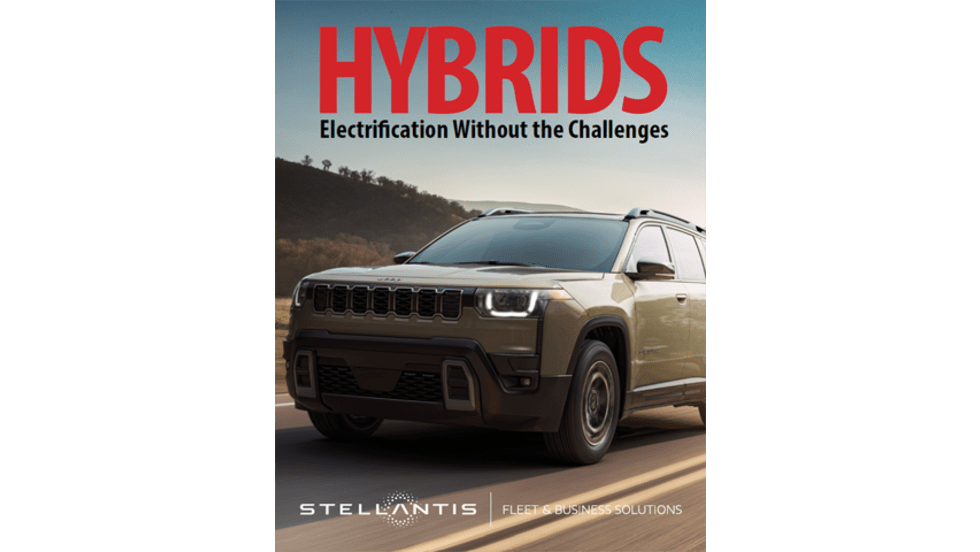
Hybrids: Electrification Without the Challenges
For fleet managers, fuel is one of the biggest line items in the budget — and it's one hybrids can shrink without changing how your people work. Download the eBook to see the numbers, understand the technology, and get a step-by-step guide to making the switch.
Read More →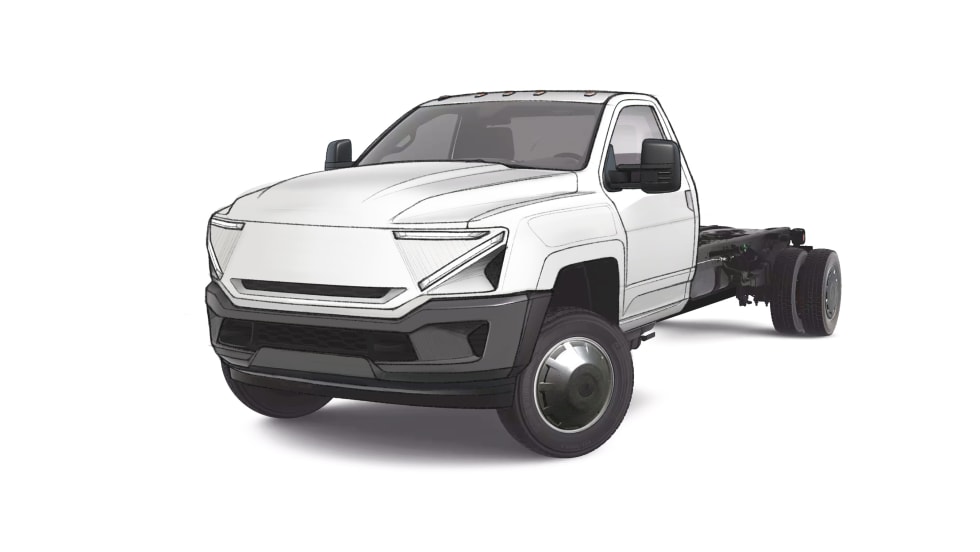
Startup ZMD Motors Developing Electric Conversion for Ram 5500 Work Trucks
Detroit-based company says it has begun early development of a system to convert internal combustion Ram 5500 chassis-cab trucks to electric power.
Read More →
U.S. EV Adoption Is Climbing, but Commercial and Passenger Markets Diverge
New industry group data revealed that light-duty electric vehicle sales are hitting record market share and volumes, while commercial EV volume dipped. What’s driving the fluctuations?
Read More →
How To Upfit Electric Work Trucks and Vans
The biggest challenge lies in balancing additional equipment and accessories with EV battery capacity and range.
Read More →