




Study Finds Benefits of Plug-in Vehicles Depend on Battery Size
PITTSBURGH — According to a new study from Carnegie Mellon University, plug-in vehicles with small battery packs and hybrid electric vehicles (HEVs) that don't plug in can reduce life cycle impacts from air emissions and enhance oil security at low or no additional cost over a lifetime. But plug-in vehicles with large battery packs are more costly and may have higher or lower emissions than HEVs, depending on where and when they are plugged in.
PITTSBURGH — According to a new study from Carnegie Mellon University, plug-in vehicles with small battery packs and hybrid electric vehicles (HEVs) that don't plug in can reduce life cycle impacts from air emissions and enhance oil security at low or no additional cost over a lifetime. But plug-in vehicles with large battery packs are more costly and may have higher or lower emissions than HEVs, depending on where and when they are plugged in.
The study appeared this week in the Proceedings of the National Academy of Sciences. Carnegie Mellon University's Jeremy J. Michalek and co-authors conclude that electrified vehicles with smaller battery packs are more efficient in reducing societal costs for health care, environmental damages and oil consumption.
"Current government policy provides larger subsidies for vehicles with larger battery packs, assuming that larger is better," said Michalek, an associate professor of engineering and public policy and mechanical engineering at CMU. "While larger battery packs allow plug-in vehicles to drive longer distances on electric power instead of gasoline, they are also expensive and heavy, they are under-utilized when the battery capacity is larger than needed for a typical trip, they require more charging infrastructure and they produce more emissions during manufacturing."
Because vehicles with larger battery packs are more expensive, fewer of them can be subsidized, Michalek said, and that can result in lower total benefits.
Michalek recently received a $400,000 grant from the National Science Foundation (NSF) to analyze how public policy could help determine the types of vehicles built in coming years and how consumers might respond to these vehicles.
"It's possible that in the future plug-in vehicles with large battery packs might offer the largest benefits at competitive costs if the right factors fall into place, including sufficiently low cost batteries, high gasoline prices, low emission electricity and long battery life," said study co-author Mikhail Chester, assistant professor of sustainable engineering at Arizona State University. "But such a future is not certain, and in the near term, HEVs and plug-in vehicles with small battery packs provide more emissions benefits and oil displacement benefits per dollar spent."
"With increasing energy and environmental constraints, transitioning from conventional gasoline vehicles to hybrid and plug-in vehicles offers an opportunity for improving energy independence and air quality while helping to address global warming," said study co-author Constantine Samaras, an engineer at the RAND Corp.
Michalek's research is aimed at understanding tradeoffs in the capabilities of new technologies and to predict what near- and long-term strategies should be.
"Given the major spending cuts under debate in Washington, it is important that we get the most benefits out of spending designed to improve the environment and energy security," Michalek said. "In the near term, HEVs and plug-in vehicles with small battery packs offer more cost-effective benefits. More research on batteries — especially lowering cost — and a transition to a cleaner electricity grid are needed to pursue a future where large battery packs may also be able to help address climate change, air pollution and oil dependency at competitive costs."
More Green Fleet
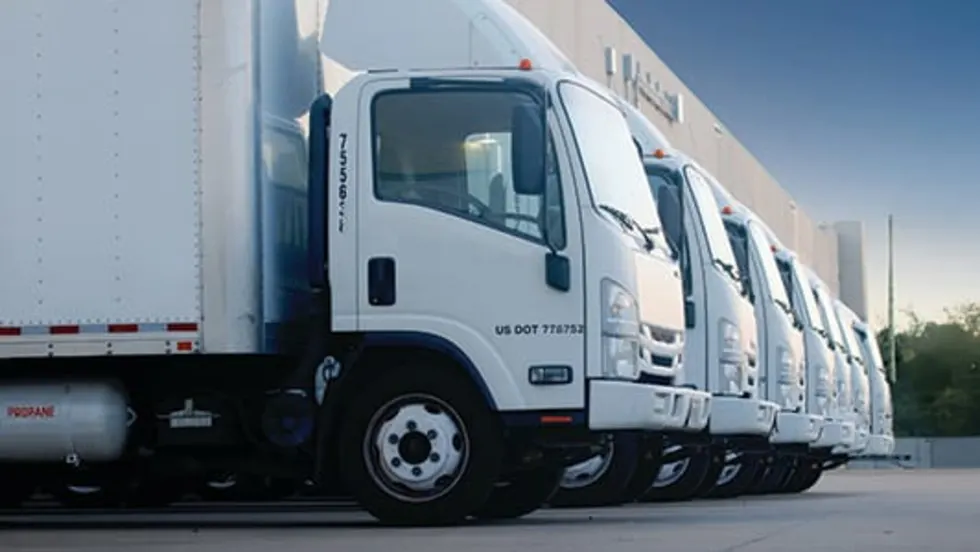
New Propane Autogas Program Offers Fleet Compensation
Qualified commercial fleets can receive $7,500 per eligible propane autogas vehicle and up to $10,000 for new refueling site prep. Learn how the program works and see whether your fleet qualifies.
Read More →
EV Charging Use Is Outpacing Infrastructure Growth
ChargePoint’s 2026 Charging Forward Report points to rising charger use, higher-powered charging, commercial vehicle electrification, and energy-management technology. Here’s what fleets should know.
Read More →
Merchants Fleet Reports 290M EV Miles as Fleets Navigate Changing Electrification Market
From millions in operating savings to hundreds of millions of EV miles, Merchants Fleet’s latest report reveals what’s working and what’s changing in fleet electrification.
Read More →

The EV Breakdown Nobody's Talking About: Why Most Electric Vehicle Roadside Calls Aren't Mechanical Failures
Here's why EV breakdowns are widely misunderstood.
Read More →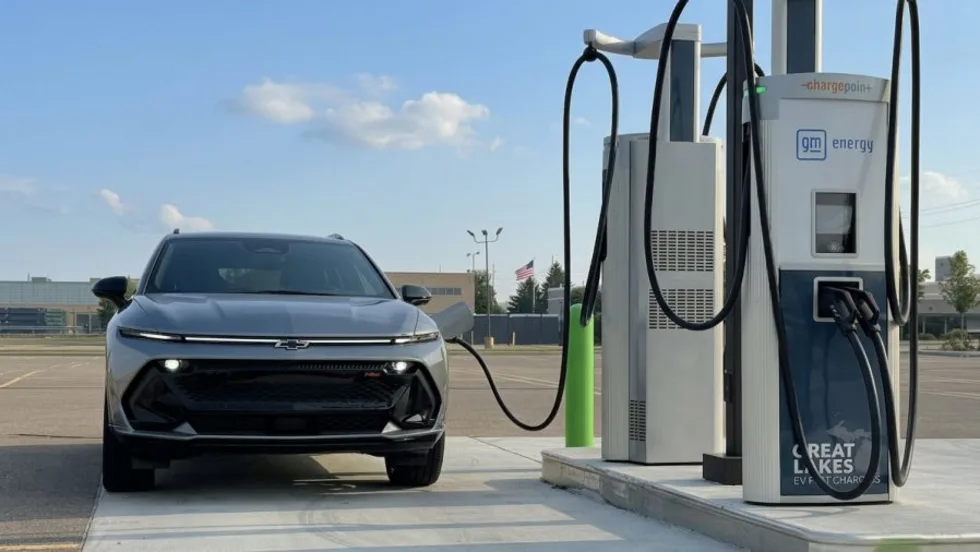
ChargePoint Now Available in Energy Pass
ChargePoint and additional planned charging network integrations were added to GM's Energy Pass.
Read More →

First Look: Slate Auto's Electric Fleet Pickup
Could an affordable, modular EV pickup make electrification more practical for fleets?
Read More →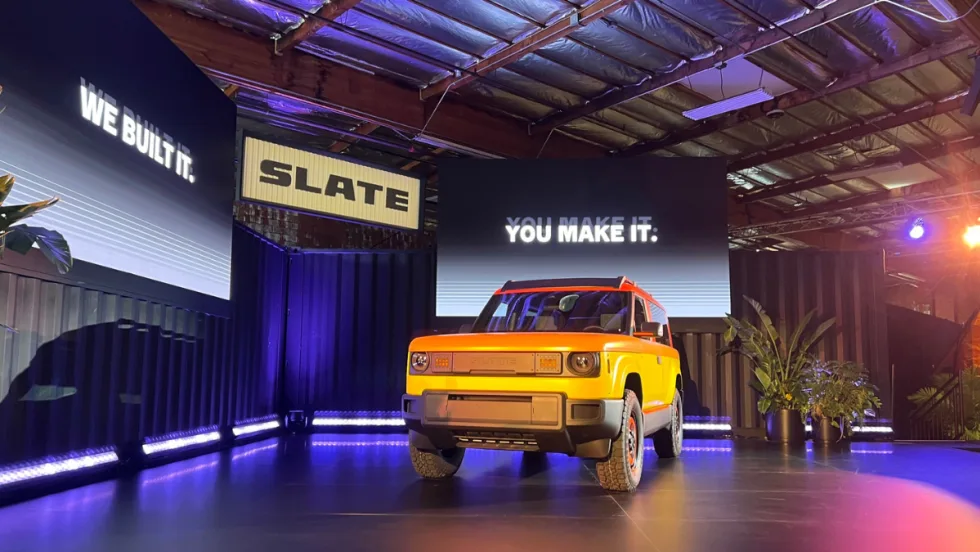
Slate Debuts Colorful, Unique EV Models
A recent media and client event, studded with electric vehicles dressed up on platforms, planted a new position for the manufacturer in the wider EV market. Fleets will find cost-saving advantages.
Read More →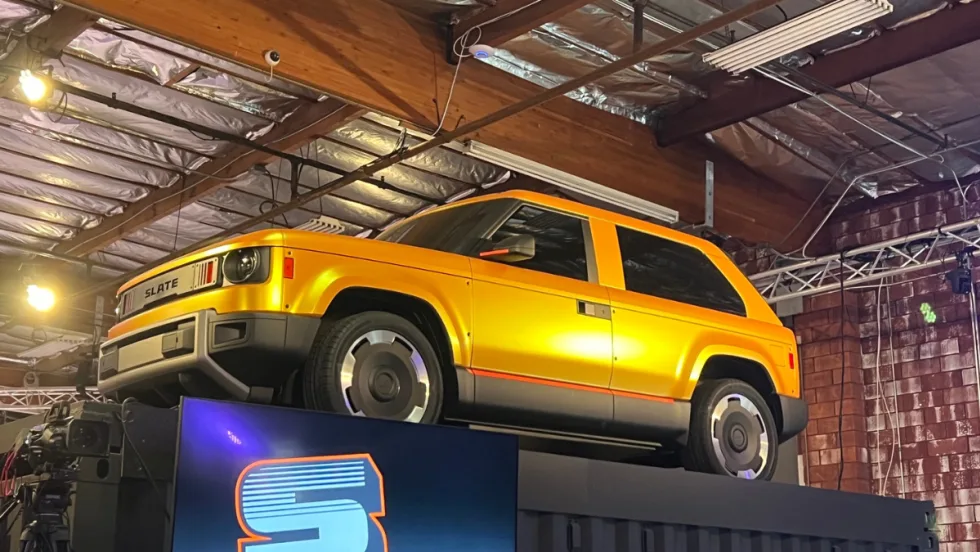
Slate Electric SUV, Pickup Switchable Model Aims For Light-Duty Fleets
Everything about this EV is counterintuitive and understated, making it stand out from the crowd.
Read More →
Inspiration Mobility Acquires Key Electrada Assets
Inspiration Mobility Group has acquired select assets of Electrada, adding the fleet electrification provider's team, technology, and charging infrastructure development capabilities to its energy management business.
Read More →