




Study: End of Hybrid Access to Carpool Lanes Slows Traffic Overall
BERKELEY, CA — When California terminated a program that gave carpool lane access to hybrid car drivers traveling alone, the state created an unintentional consequence: slowed traffic in all lanes, according to transportation engineers at the University of California, Berkeley.
BERKELEY, CA — When California terminated a program that gave carpool lane access to hybrid car drivers traveling alone, the state created an unintentional consequence: traffic slowed in all lanes, according to transportation engineers at the University of California, Berkeley.
The program, which began in 2005 and ended on July 1, gave Californians an extra incentive to buy low-emission cars. By 2011, owners of about 85,000 low-emission vehicles had received the coveted yellow stickers that gave them entry into the carpool lanes even if they had no passengers. Critics of the perk, however, argued that solo drivers of hybrid cars were clogging up the lanes for carpoolers.
Researchers at UC Berkeley’s Institute of Transportation Studies (ITS) used traffic flow theories and six months of data from roadway sensors measuring speed and congestion along all freeway carpool lanes in the San Francisco Bay Area. The information helped researchers predict the impact on vehicle speed of the hybrids’ removal from carpool lanes. Additional data collected after the program’s July 1 expiration supported their predictions.
Michael Cassidy, UC Berkeley professor of civil and environmental engineering, and Kitae Jang, a doctoral student in civil and environmental engineering, presented their analysis in a new ITS report.
“Our results show that everybody is worse off with the program’s ending,” said Cassidy. “Drivers of low-emission vehicles are worse off, drivers in the regular lanes are worse off, and drivers in the carpool lanes are worse off. Nobody wins.”
A carpool lane along a four-mile stretch of I-880 in Hayward, for instance, saw a 15 percent reduction in speed after single-occupant hybrids were expelled after July 1.
The counterintuitive results reflect dual – and opposing – influences on traffic speed in the carpool lanes, the researchers explained. One factor is the presence of additional cars, including hybrids, which slow down traffic.
One might think that moving vehicles out would allow the remaining cars in the lane to go faster. But the data show that traffic speed in the carpool lane is also influenced by the speed of the adjacent lanes. Moving the hybrids into the neighboring lanes increases congestion in those lanes, which in turn slows down the carpoolers.
“As vehicles move out of the carpool lane and into a regular lane, they have to slow down to match the speed of the congested lane,” explained Jang. “Likewise, as cars from a slow-moving regular lane try to slip into a carpool lane, they can take time to pick up speed, which also slows down the carpool lane vehicles.”
Human nature likely plays a role, too, the researchers said. “Drivers probably feel nervous going 70 miles per hour next to lanes where traffic is stopped or crawling along at 10 or 20 miles per hour,” said Cassidy. “Carpoolers may slow down for fear that a regular-lane car might suddenly enter their lane.”
Currently, the only single-occupancy vehicles allowed in California’s carpool lanes are federally approved Inherently Low Emission Vehicles, or ILEVs, such as hydrogen fuel cell, 100 percent battery electric, and compressed natural gas vehicles with white clean air vehicle stickers. According to the California Air Resources Board, only 14,000 vehicles in the state have qualified thus far.
A new program, pending federal approval next January, will allow 40,000 super-clean plug-in-hybrids or hydrogen-powered internal combustion engine vehicles to claim green clean air vehicle stickers and enter carpool lanes.
But the researchers predict that this will not be enough. They argue that freeway traffic conditions will improve for everyone by increasing, not decreasing, the numbers allowed access to carpool lanes.
“I think we need to start managing carpool facilities in a smarter way, and letting those hybrids back in the carpool lane would be a good first step,” said Cassidy. “And given the way that regular-lane speeds influence carpool lanes, added efforts to alleviate congestion in regular lanes could benefit all drivers.”
The work was supported by the UC Berkeley Center of Excellence for Future Urban Transport.
More Green Fleet
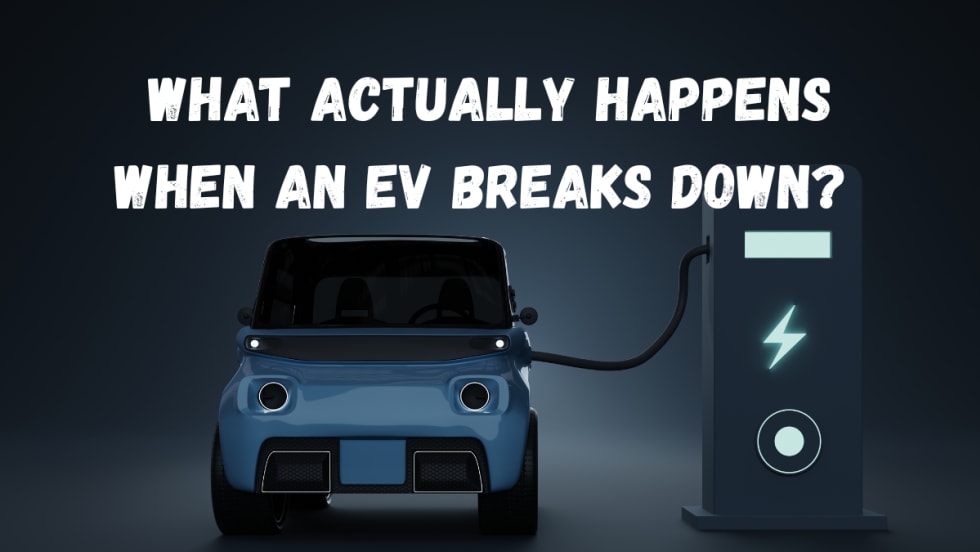
The EV Breakdown Nobody's Talking About: Why Most Electric Vehicle Roadside Calls Aren't Mechanical Failures
Here's why EV breakdowns are widely misunderstood.
Read More →
ChargePoint Now Available in Energy Pass
ChargePoint and additional planned charging network integrations were added to GM's Energy Pass.
Read More →

First Look: Slate Auto's Electric Fleet Pickup
Could an affordable, modular EV pickup make electrification more practical for fleets?
Read More →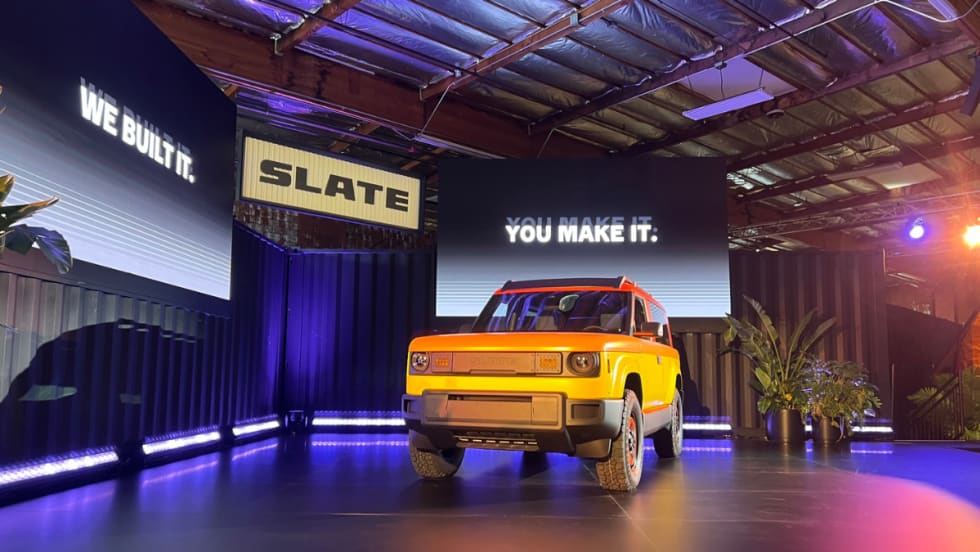
Slate Debuts Colorful, Unique EV Models
A recent media and client event, studded with electric vehicles dressed up on platforms, planted a new position for the manufacturer in the wider EV market. Fleets will find cost-saving advantages.
Read More →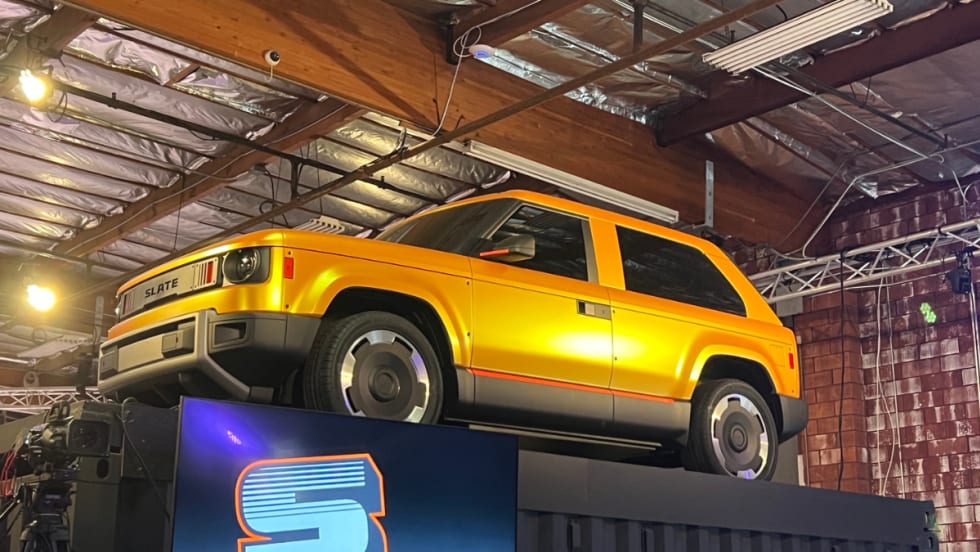
Slate Electric SUV, Pickup Switchable Model Aims For Light-Duty Fleets
Everything about this EV is counterintuitive and understated, making it stand out from the crowd.
Read More →
Inspiration Mobility Acquires Key Electrada Assets
Inspiration Mobility Group has acquired select assets of Electrada, adding the fleet electrification provider's team, technology, and charging infrastructure development capabilities to its energy management business.
Read More →
Turning Connected Vehicle Data Into Decisions That Matter
Fleet leaders have more data than ever, but turning that data into clear, actionable decisions remains a challenge. This white paper shows how leading organizations are using connected vehicle data to improve safety, reduce costs, and optimize fleet performance. Learn how to turn insight into action across your fleet.
Read More →
Are You Tracking Your Fleet's True Total Cost of Ownership?
Bobit Business Media surveyed 190 fleet professionals and found that while most fleets are tracking costs, fragmented systems and data gaps are keeping true TCO visibility out of reach. With rising pressure to control spend in an increasingly volatile environment, the gap between what fleets think they know and what the data actually shows is wider than you might expect. See how your peers are managing costs today and where the industry still has room to improve.
Read More →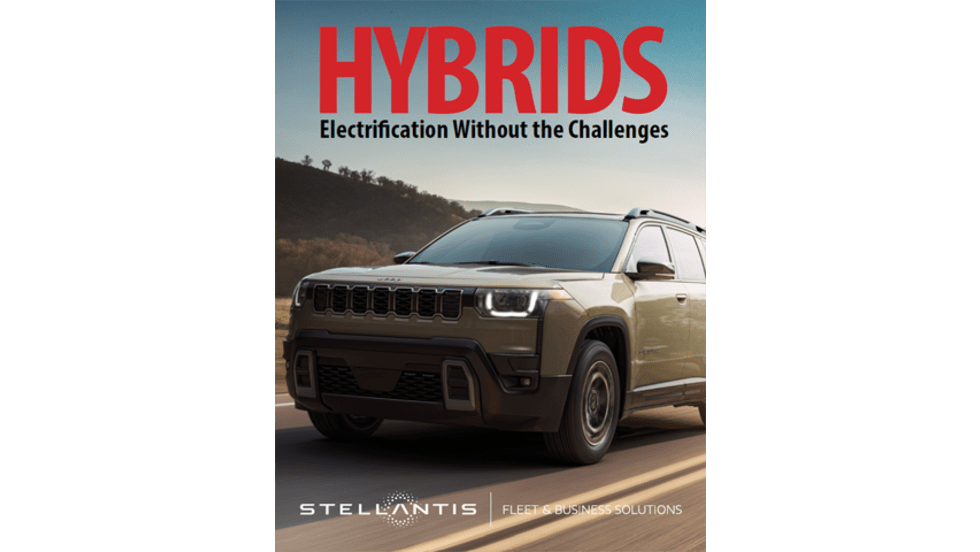
Hybrids: Electrification Without the Challenges
For fleet managers, fuel is one of the biggest line items in the budget — and it's one hybrids can shrink without changing how your people work. Download the eBook to see the numbers, understand the technology, and get a step-by-step guide to making the switch.
Read More →